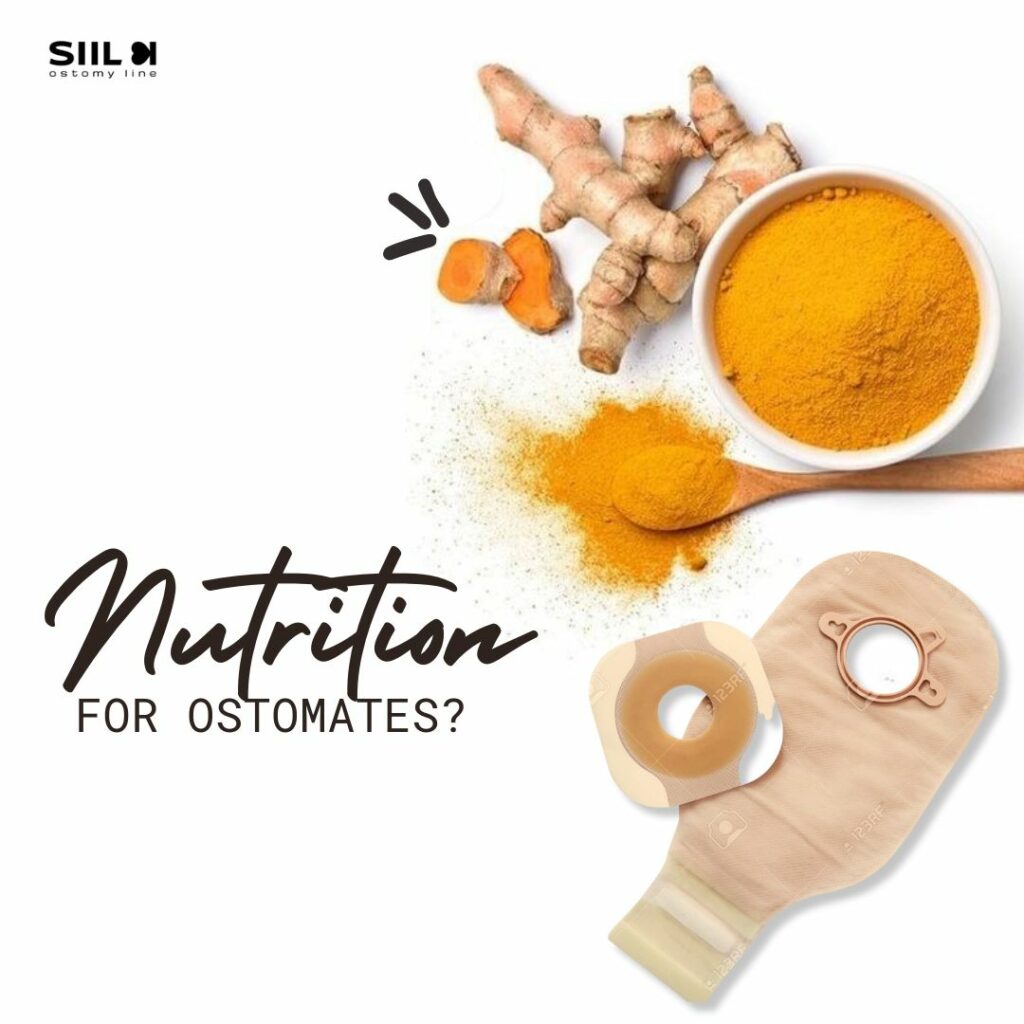
Ostomy Diet Guide
Ostomy diet is designed to help people with any type of ostomy—whether colostomy, ileostomy, or urostomy—manage their digestion, avoid complications, and feel comfortable day-to-day.
Right after surgery, your body needs time to heal, so you’ll likely start with a low-fiber, soft diet that includes foods like white bread, rice, bananas, eggs, and cooked vegetables. These options are easy to digest and help regulate stoma output while reducing the risk of blockages or irritation.
As you recover, your ostomy diet can become more flexible. You’ll slowly reintroduce different foods to see how your body responds.
High-fiber foods like raw veggies, fruits with skin, nuts, and whole grains should be added gradually and one at a time. Some foods can cause gas or odor, such as beans, cabbage, onions, and carbonated drinks, so they should be introduced carefully.
Also, staying hydrated is crucial—especially if you have an ileostomy—so drink plenty of water throughout the day.
The best ostomy diet is one that’s balanced, nutritious, and tailored to your individual needs. Chew thoroughly, eat smaller meals more often, and keep a food journal to track how different foods affect your output.
Over time, you’ll learn what works best for you and enjoy a wide variety of meals with confidence.
Hi,
I’m Maria, and like you, I’m an ostomate.
After my surgery, I was nervous about enjoying meals again, but with the right guidance, I found foods that let me eat confidently and live fully.
Now, I want to share that with you. 🌸
Recovering from ostomy surgery? Nutrition is key to healing, preventing complications like leaks or blockages, and regaining confidence.
This 2025 guide covers low-fiber diets, hydration, and more—backed by sources like the United Ostomy Associations of America (UOAA) and Mayo Clinic.
Take our 1-min quiz below for personalized tips and get our FREE Ostomy Nutrition Guide (5,000+ downloads, 4.9/5 stars)!


Ostomy Diet Guidelines After Surgery: The Basics
After colostomy, ileostomy, or urostomy surgery, your digestive system needs time to heal. Start with a clear liquid diet (e.g., broth, apple juice) for 1-2 days, progressing to full liquids (e.g., milkshakes) by day 3-5, then low-fiber solids by week 2 (per UOAA guidelines). Aim for 3 small meals/day to avoid overload. Chew thoroughly and sip fluids between bites.
- Week 1-2: Low-fiber (refined carbs, soft proteins).
- Week 3-6: Gradual fiber add (cooked veggies, peeled fruits).
- Long-Term: Balanced, personalized diet—track with a journal.
"Eat smaller portions more frequently to regulate bowel output." – UOAA


| Food Category | Recommended Foods | Foods to Avoid (Initially) | Notes |
|---|---|---|---|
| Grains | White rice, white bread, plain pasta | Whole grains, high-fiber cereals | Start low-fiber, add fiber gradually |
| Proteins | Lean meats (chicken, turkey), eggs, tofu | Fried meats, spicy sausages | Cook without heavy seasoning or frying |
| Vegetables | Cooked carrots, peeled zucchini, pumpkin | Raw vegetables, corn, cabbage | Cook well, peel and de-seed when possible |
| Fruits | Bananas, applesauce, canned peaches | Raw fruits with skin, berries, citrus | Avoid seeds and skin early on |
| Dairy | Lactose-free milk, yogurt, hard cheese | Regular milk (if lactose intolerant) | Try dairy slowly, some may cause gas |
| Snacks | Plain crackers, rice cakes, smooth peanut butter | Nuts, popcorn, chips | Avoid rough textures that may irritate stoma |
| Beverages | Water, weak tea, electrolyte drinks | Carbonated drinks, alcohol | Stay hydrated, avoid gas-producing drinks |
Ostomy Diet after surgery
After ostomy surgery, following the right ostomy diet after surgery is essential for healing, reducing complications, and helping your digestive system adapt. In the first few weeks post-surgery, it’s recommended to follow a low-fiber, easily digestible diet to avoid irritating your stoma. Foods like white bread, rice, eggs, chicken, and cooked vegetables are gentle on your system and can help you regain strength without causing blockages.
As your recovery progresses, you can slowly reintroduce different foods to see how your body reacts. Chewing food thoroughly and eating smaller, more frequent meals can help with digestion and reduce gas or bloating. Staying well-hydrated is also crucial, especially for people with an ileostomy, as they lose more fluids.
Everyone reacts differently, so keeping a food diary is a good idea to track what works for you and what doesn’t. The ostomy diet after surgery isn’t about restriction forever—it’s about learning how to eat in a way that supports your new digestive system. Over time, many people are able to return to a varied and enjoyable diet with just a few modifications.
Best foods for ostomy patients
Choosing the best foods for ostomy patients can help support digestion, reduce gas and odor, and keep stoma output manageable.
Right after surgery, it’s smart to start with soft, low-fiber foods that are easy to digest. Great choices include white rice, mashed potatoes, applesauce, eggs, white bread, chicken, turkey, and well-cooked carrots or green beans.
These foods are gentle on your system and can help regulate output as your body adjusts.
As healing progresses, the list of the best foods for ostomy patients can grow.
Many people tolerate foods like oatmeal, peeled fruits (like bananas or canned peaches), fish, tofu, and pasta very well. Yogurt can also be a good choice since it contains probiotics that support gut health.
For hydration—especially important for ileostomy patients—water, electrolyte drinks, and broths are excellent. Chewing food thoroughly and eating smaller meals throughout the day are simple habits that make these foods even easier to digest.
Ultimately, the best foods for ostomy patients are those that provide nutrition without causing discomfort.
Everyone’s body is different, so it’s helpful to introduce new foods slowly and keep a food journal to track what works best for you.
Ostomy Nutrition
Ostomy nutrition is a crucial part of maintaining good health and quality of life after an ostomy surgery. Whether you have a colostomy, ileostomy, or urostomy, your digestive system has changed, and so must your diet. Right after surgery, your body needs time to heal, and your food choices should support that recovery. It’s recommended to start with soft, easy-to-digest foods and introduce new items slowly. This helps your body adapt and makes it easier to identify foods that might cause gas, odor, or blockage.
Managing your ostomy nutrition means staying well-hydrated and choosing foods that help keep your output consistent. People with ileostomies, for example, may lose more fluids and electrolytes, so it’s important to drink plenty of water and include sodium and potassium-rich foods in your diet. Eating at regular times and chewing food thoroughly can also help improve digestion and reduce discomfort. Keep in mind that everyone’s body reacts differently, so it’s useful to keep a food diary to track what works best for you. With proper ostomy nutrition, you can live a full, healthy, and active life.
Ostomy nutrition plays a vital role in your recovery, energy levels, and overall quality of life after surgery.
Whether you have a colostomy, ileostomy, or urostomy, the key is to eat in a way that supports digestion while avoiding discomfort like gas, blockages, or dehydration.
Right after surgery, it’s best to stick to a low-fiber, soft diet—think white rice, applesauce, lean meats, and cooked vegetables. These foods are easier for your body to handle and help you transition smoothly.
As you adjust, your ostomy nutrition can become more diverse. Slowly reintroduce higher-fiber foods such as whole grains, fruits, and raw vegetables, one at a time.
This way, you can monitor how each one affects your stoma output. Some foods—like cabbage, beans, onions, and carbonated drinks—can cause gas or odor, so try those in small amounts first.
If you have an ileostomy, your body loses more fluids and salt, so it’s especially important to drink enough water and consider electrolyte-rich drinks when needed.
Good ostomy nutrition is about balance, variety, and paying attention to how your body reacts.
Chew your food thoroughly, eat smaller meals more often, and track your meals if you’re unsure about certain foods. A registered dietitian can also help you create a personalized plan that supports your health and fits your lifestyle.
Colostomy diet after 6 weeks
After 6 weeks post-surgery, your body has had time to heal, and it’s usually safe to start reintroducing more foods into your colostomy diet after 6 weeks. At this point, you can gradually return to a more varied and balanced diet, but it’s still important to pay attention to how your body reacts. Start incorporating fruits, vegetables, whole grains, and lean proteins while avoiding foods that previously caused gas, bloating, or blockage.
A successful colostomy diet after 6 weeks should focus on fiber, hydration, and regular meals. Introduce high-fiber foods slowly to avoid overwhelming your digestive system. Drink plenty of water to keep your stool soft and prevent constipation, which can be uncomfortable with a colostomy. Try to eat smaller, more frequent meals rather than large portions all at once. Some people find it helpful to cook vegetables thoroughly and peel fruits to make them easier to digest.
Everyone reacts differently, so keep a food journal to track which foods make you feel good and which don’t. Over time, your colostomy diet after 6 weeks can look very similar to a normal healthy diet, allowing you to enjoy a wide range of foods with confidence.


Ostomy diet plan
Best Foods for Ostomy Patients: After 8 weeks
Focus on easy-to-digest, nutrient-rich foods to support healing. Prioritize proteins for tissue repair and carbs for energy.
| Category | Examples | Why It Helps |
|---|---|---|
| Proteins | Eggs, tender fish, skinless chicken, tofu | Builds strength without irritation |
| Carbs | White rice, pasta, mashed potatoes, white bread | Provides energy, low-fiber for easy passage |
| Fruits/Veggies | Applesauce, bananas, canned peaches, cooked carrots | Vitamins without bulk |
| Dairy | Yogurt, cottage cheese, lactose-free milk | Probiotics for gut health |
Pro Tip: Pair with our breathable ostomy belts for comfortable bloating management during meals.
Hydration Tips for Ostomates
Ileostomates lose more fluids—aim for 8-10 cups (64-80 oz) daily (Mayo Clinic). Dehydration signs: Dry mouth, fatigue.
Top 5 Hydration Tips
- Sip water/electrolyte drinks (e.g., Pedialyte) throughout the day—avoid gulping.
- Add lightly salted foods (e.g., pretzels) for sodium balance.
- Track intake with an app; set phone reminders.
- Include hydrating fruits (e.g., watermelon, oranges—peeled).
- Wear moisture-wicking ostomy clothing to stay comfortable during activity.
Foods to Avoid with Ostomy
| Issue | Examples |
|---|---|
| Gas & Bloating | Beans, broccoli, onions, cabbage, soda |
| Odor | Fish, eggs, asparagus, garlic |
| Blockages | Nuts, popcorn, corn, seeds, raw vegetables |
| Loose Stool | Fried foods, spicy dishes, high-sugar drinks |
| Constipation | Excess cheese, bananas, white rice (in excess) |
Some foods can cause gas, odor, blockages, or irregular output—especially in the first few weeks after surgery.
Join Thousands of Ostomates Feeling Confident Again!
⭐ 4.9/5 Rated Guide | 🏆 Over 5,000 Happy Readers | 💌 100% Free to Download
This guide helped me finally enjoy meals again without fear!

Sarah, Ostomate for 5+ years
5/5
I love how simple and clear it is—game changer!

Mark, 2024 Surgery
5/5
This Guide helped a lot of my patients. Definitely recommend.

Natalie, WOCN Nurse
5/5
We respect your privacy—no spam, ever
Low-Fiber Diet for Ostomy: Guidelines & Transition
A low-fiber diet is vital for the first 6-8 weeks after ostomy surgery to prevent blockages, affecting 20% of ostomates (Alberta Health Services). This concise guide outlines essentials for a smooth recovery.
Why It’s Essential Post-Surgery
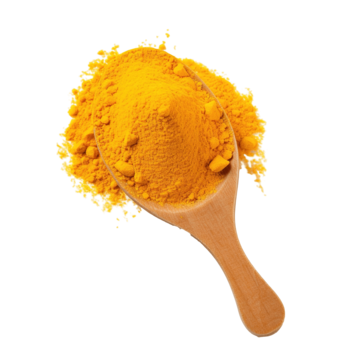
Post-colostomy or ileostomy, high-fiber foods (e.g., raw veggies) can irritate your stoma. Turmeric offers anti-inflammatory benefits without fiber, aiding healing (UOAA).
Key Low-Fiber Guidelines
- ✅ Avoid raw veggies, fruit skins, whole grains.
- ✅ Choose white bread, pasta, cooked carrots.
- ✅ Limit fiber to 10-15g/day; track with an app.
Supported by Mayo Clinic, this approach eases digestion. Pair with our breathable ostomy belts for comfort.
Transition Tips
After 6 weeks, reintroduce fiber gradually: Start with 5g (e.g., peeled apples) weekly, monitoring output. Our belts support bloating management during this phase—[explore options](#).
Sources: Alberta Health Services, UOAA, Mayo Clinic.
Disclaimer: Consult your healthcare provider for personalized advice.
Take Control of Your Nutrition & Comfort Today!
Get you Ostomy guide and Taste-up your Days!
What causes diarrhea with an ostomy?
There are several reasons what causes diarrhea with an ostomy, and understanding them can help you manage your output better. One of the most common causes is diet — eating foods that are high in fat, sugar, or fiber too quickly can overwhelm your digestive system and lead to loose stool. Foods like greasy meals, spicy dishes, or too much fruit can sometimes trigger diarrhea with an ostomy, especially if reintroduced too fast after surgery.
Another major factor in what causes diarrhea with an ostomy is dehydration or infection. Not drinking enough water can make your body respond with watery output. On the other hand, bacterial or viral infections, including stomach bugs or food poisoning, can also cause sudden diarrhea. Antibiotics and certain medications may disrupt your gut balance, leading to more frequent or watery stools. Stress and anxiety can also play a role in upsetting your digestive system.
It’s important to monitor your diet, stay hydrated, and watch for signs of infection. If your diarrhea with an ostomy lasts more than 24 hours or is accompanied by fever, pain, or dehydration, consult your healthcare provider immediately. Managing your food and fluid intake carefully can help reduce these episodes.
Ostomy Diet
FaQ's
Will I have to follow a special diet forever?
No. Most ostomates can resume a balanced, normal diet with a few personalized adjustments.
How do I prevent gas and bloating?
Avoid carbonated drinks, beans, onions, and eat slowly to reduce swallowed air.
Can I eat raw vegetables and salads?
Yes—reintroduce slowly, chew thoroughly, and monitor your output.
How much water should I drink per day?
At least 6–8 cups, more if you have an ileostomy or urostomy.
Do I need supplements?
Some ostomates benefit from vitamins and minerals, especially B12 and zinc. Check with your healthcare provider.
What foods help with ostomy odor?
Parsley, yogurt, and buttermilk can mask odor—avoid garlic/onions.
How soon can I eat normally after surgery?
6-8 weeks, depending on healing—start low-fiber first (per UOAA).
Can I drink alcohol with an ostomy?
In moderation after 6 weeks—limit to avoid loose stools.
What if I have diarrhea with my ostomy?
Switch to bananas, rice, and consult a doctor—stay hydrated.
How do I manage weight gain post-ostomy?
Balanced diet + exercise—our belts support active lifestyles.
Disclaimer: This guide is for informational purposes—consult your healthcare provider for personalized advice.
Sources: UOAA, MSKCC, Mayo Clinic, Crohn's & Colitis Foundation.
Download Your Free Ostomy Nutrition Guide Today!Over 5,000 ostomates transformed their meals—join Sarah (4.9/5): "Finally, no more guesswork!"