

 ES
 EN
 GB
 DE
 FR
No products in the basket.
Success Rate of Ostomy Reversal UK – Outcomes, Risks, and What Patients Can Expect
For many patients living with a temporary ileostomy or colostomy, reversal surgery represents a hopeful milestone. Understanding the success rate of ostomy reversal helps set realistic expectations and prepares individuals for the recovery ahead. While outcomes are generally positive, several factors—including health status, original diagnosis, bowel condition, and surgical technique—affect success.
This guide explains the success rate of ostomy reversal, common challenges, and what contributes to better outcomes, referencing medical insights from the Mayo Clinic, Cleveland Clinic, and patient data shared by the United Ostomy Associations of America. More recovery guidance can be found at the SIIL Ostomy Reversal Resource Center: SIIL Ostomy Reversal Hub.

Understanding the Success Rate of Ostomy Reversal
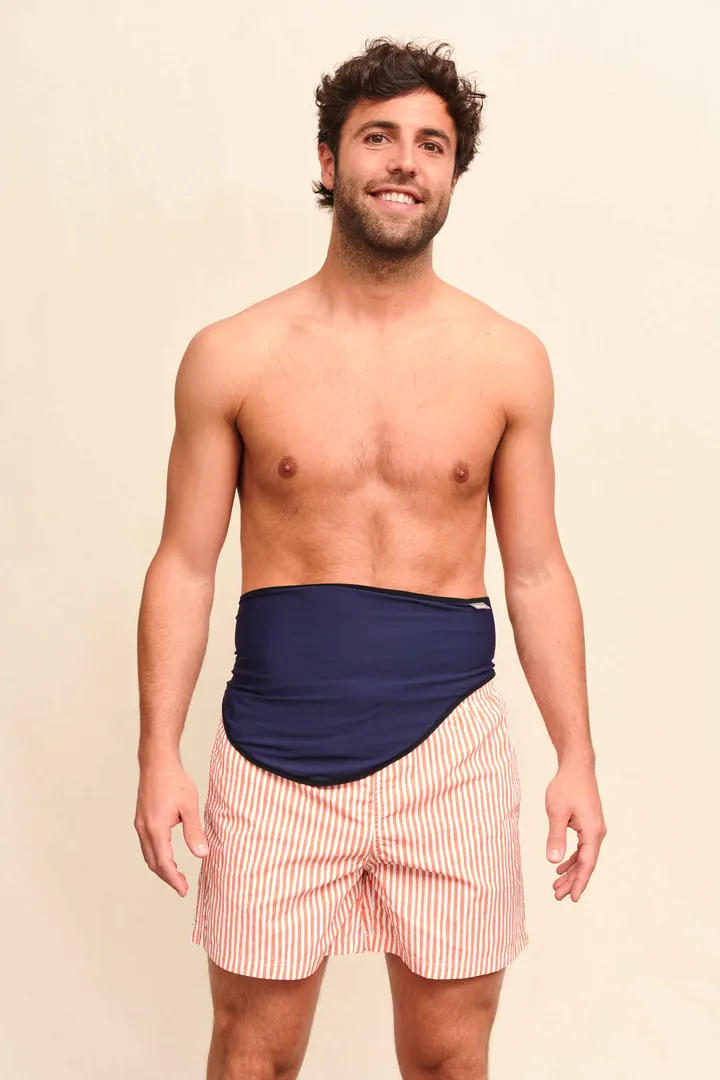 Stoma BeltHernia support & leak prevention. Trusted by 50,000+ ostomates worldwide.Discover →
Most studies put the success rate of ostomy reversal between 80% and 95%, depending on your condition and the type of stoma. Success here means a working bowel reconnection without major complications that would need another operation or a return to a stoma.
Outcomes vary from person to person because the reason for the original stoma, how long it was in place, your nutritional status and inflammation in the bowel all play a part. People in good general health usually see the highest success rates.
Free guide · A gift from SIIL
The SIIL Stoma Diet Guide — yours, free
Practical information on food and hydration for everyday life with a stoma.
Prefer it as a PDF in your inbox? Get it by email.
Factors That Affect the Success Rate of Ostomy Reversal
Ileostomy reversals generally happen earlier and may have slightly higher success rates than colostomy reversals, which sometimes involve more scarring or inflammation. Time matters too: the longer the interval before reversal, the more the body adapts. Muscles become less active, scar tissue may form and the bowel gets used to a different workload, all of which can influence the outcome.
Complications That Affect the Success Rate
The complications most likely to lower the success rate are infection, bowel obstruction, an anastomotic leak and prolonged diarrhoea. Most are treatable, especially when they are caught early. Anastomotic leaks, deep infections and severe obstructions are the ones most likely to affect long-term success and may need further surgery, but they are relatively rare.
Bowel Function After Reversal
Many people have irregular bowel function for weeks or months: loose stools, urgency and frequent trips to the toilet are common early on and don’t mean the reversal has failed. Diet adjustments, hydration, pelvic floor strengthening and supportive garments all ease the adaptation; options include Support Underwear, the SIIL Ostomy Belt and a Stoma Protector.
Diet and Hydration Impacts on Success
Diet matters most in the early recovery phase: low-fibre foods, a gradual reintroduction of new foods and avoiding your triggers help keep bowel irritation to a minimum. Detailed guidance is in our Post-Reversal Nutrition Guide. Hydration is just as important, especially if you had an ileostomy: drinking enough supports bowel movement and lowers the risk of dehydration-related complications.
Long-Term Outcomes and Quality of Life
Most people see a significant improvement in bowel function and quality of life within months, and the majority never need another stoma, which is why the overall success rate is high. Some continue to have urgency, mild leakage or sensitivity to certain foods; these symptoms are manageable and don’t mean the operation failed.
The Best Candidates for a Successful Reversal
People with well-healed bowel tissue, good nutrition, minimal inflammation and a stable underlying condition tend to have the highest success rates, and your surgeon will review scans and run assessments to confirm you’re ready. Preparation helps too: strengthening your pelvic floor, eating nutrient-rich food, staying hydrated and treating any infection or inflammation all improve your chances. More tips: How to Prepare for Reversal.
For full recovery guidance, visit the SIIL Ostomy Reversal Hub.
Stoma BeltHernia support & leak prevention. Trusted by 50,000+ ostomates worldwide.Discover →Keep reading
More from the SIIL journal

Living with an Ostomy
How Often to Change a Stoma Bag & Baseplate UK: Wear-Time & Monthly Order Calculator
Free UK stoma bag & flange change calculator: check NHS-aligned wear times for 1-piece and 2-piece colostomy, ileostomy, and urost…
4 min read

Living with an Ostomy
Flat vs. Convex Stoma Flange & Baseplate Selector UK (+ NHS Nurse Fitting Sheet)
Free UK interactive flat vs. convex stoma baseplate selector: compare flat flanges, soft convexity, deep convexity, and mouldable …
4 min read

Living with an Ostomy
UK Stoma Medication & Tablet Absorption Checker (Ileostomy, Colostomy & Urostomy)
Free UK interactive stoma medication absorption guide: check MR/XL, gastro-resistant (EC), soluble/liquid forms, contraceptives, a…
6 min read
Welcome offer
Join the SIIL family.
Get 20% off your first order.
Stories, tips and exclusive drops — once a month, never spam. Your code lands in your inbox the moment you subscribe.
By subscribing you accept our privacy policy. Unsubscribe in one click, anytime.
Welcome — check your inbox for the code.
£92.99
£41.99
£41.99
£41.99
£44.99
£49.99
£52.99
£41.99
£72.99
£42.99
£52.99
£52.99