

 ES
ES EN
EN GB
GB DE
DE FR
FRNo products in the basket.
Life expectancy with a colostomy bag: the honest stoma answer
Quick answer: A colostomy bag does not set a timer on your life. The stoma is a different way of going to the loo — kit you wear on your tummy — not a countdown. People across the UK live full decades with a colostomy or an ileostomy: work, families, swimming, growing older. The fear under this search is usually the reason you needed surgery, or the rocky first months, not the bag itself.
You don’t type “life expectancy with colostomy bag” because you’re curious in a tidy, academic way. You type it at 1am after a leak, or in the car park after someone drew a circle on your tummy, or because a parent’s surgery has sent the whole family down a search spiral. Here’s the honest version, from this side of the bag: the question is real, the panic is common, and the bag is not what decides your years.
Does a colostomy bag shorten your life?
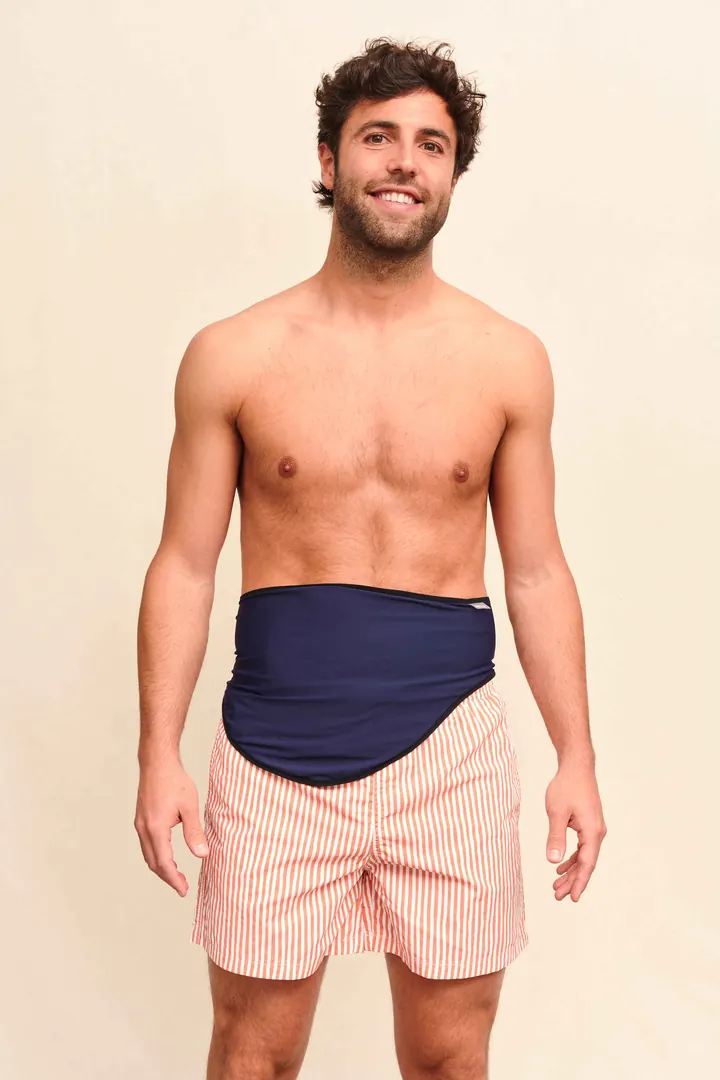 Stoma BeltHernia support & leak prevention. Trusted by 50,000+ ostomates worldwide.Discover →
No. Not in the way this search makes it sound. A stoma means your bowel now empties into a pouch on your tummy. That pouch collects output. It does not run down a lifespan.
What the search box cannot see is the mix-up almost everyone makes: they bundle the bag together with whatever brought them to theatre. Those are not the same thing. The bag is the workaround. It is the bit you change, empty, and eventually get boringly good at. The bigger health picture is personal, and it was personal before anyone mentioned a stoma.
In this community the long view is not dramatic. People have bags from their twenties and still moan about parking in their seventies. People have a stoma made later in life and get back to the allotment, the school run, the pub quiz. You will hear “I’ve had this bag longer than my marriage” more often than you will hear a countdown.

So if you need one sentence to take to bed: the colostomy bag is not what takes years off you. The early weeks can feel like they might. That is a different problem, and it eases. Day to day, our colostomy care guide keeps the routine simple.
First weeks with a stoma
The practical read we wish someone had handed us
Bag changes, clothes, work, and the quiet stuff — written like a friend, not a leaflet. Keep it open on your phone for the days that feel messy.
Colostomy bag vs ileostomy: same years, different days
Plenty of people who land here also search “life expectancy of a person with an ileostomy”, as if one pouch is a longer sentence than the other. It isn’t. What changes is the day, not the decade. A colostomy often means more formed output and a chance of a rhythm. An ileostomy is typically more liquid and more continuous, so water becomes part of the day. A urostomy is wee into a tap bag — empty, don’t obsessively recut wafers all day.
Honesty, because you asked for it: a colostomy can feel easier on a night bus or a long meeting. An ileostomy can feel more predictable once you stop expecting “normal” stools. Neither is a shorter life. The table is the lived difference, not a ranking.
| The long view | Colostomy bag | Ileostomy | Urostomy |
|---|---|---|---|
| Does it set life expectancy? | No. Kit on your tummy, not a clock. | No. Same years question, different day. | No. Same. |
| What the day actually feels like | More formed output; many people find a change-day rhythm | More liquid, more often; water becomes a habit | Wee into a tap; empty on a schedule, night bag if you want uninterrupted sleep |
| The niggle that lasts into year five | Wind, pancaking, choosing a change window | Filters, overnight output, keeping a better seal when output is thin | Tap leaks, night drainage, skin around a constantly wet area |
| Where it genuinely feels easier | Often fewer night empties; clothes can sit flatter for some body shapes | Less “waiting for a movement”; you empty and get on with it | No bowel output to manage; different kit, different faff |
If someone is trying to tell you an ileostomy is “more serious” simply because the bag fills faster, they are describing a Tuesday afternoon, not a lifespan.
What living for decades with a stoma actually looks like
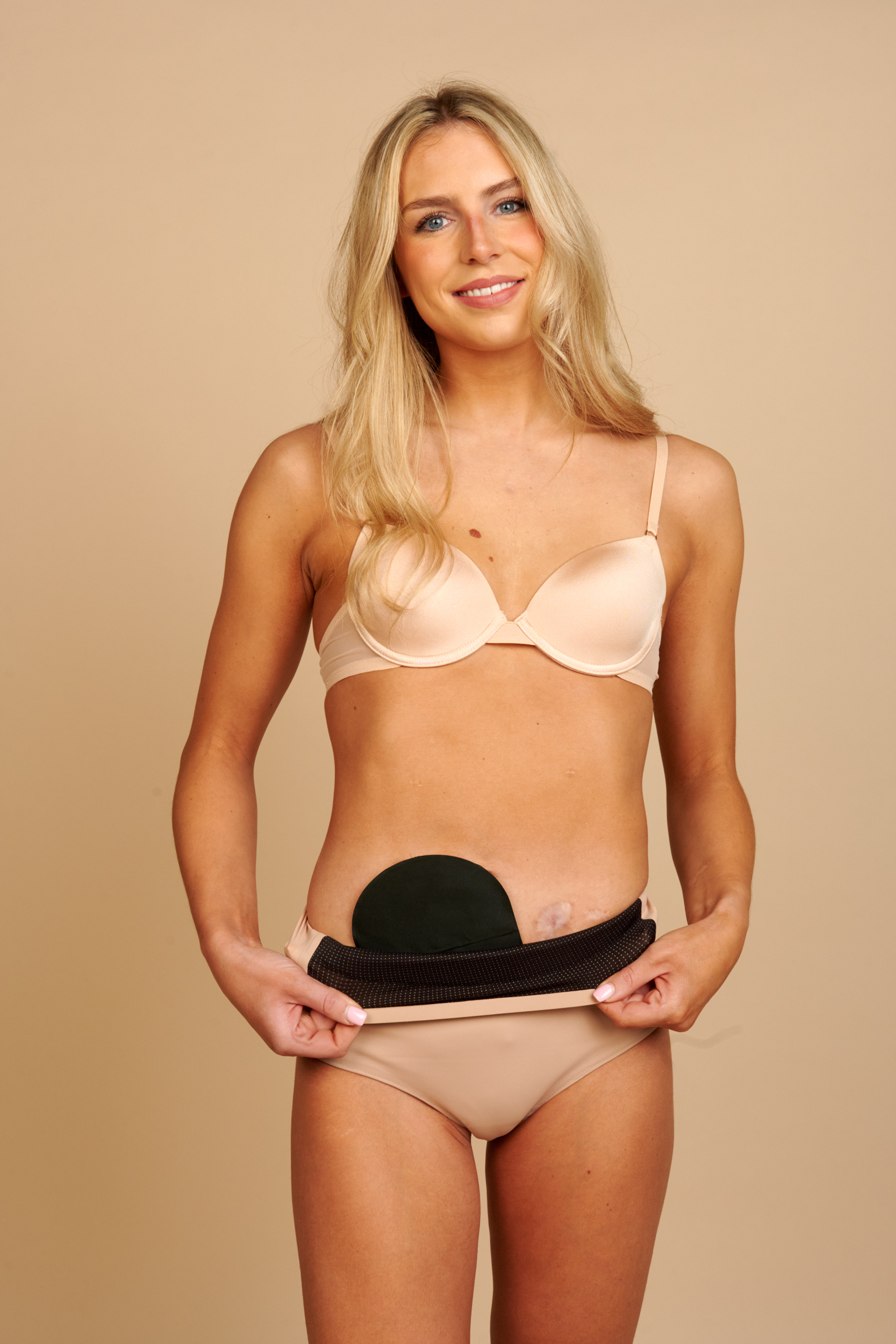
The useful picture is not a survival chart. It is a Tuesday in ten years’ time. You empty or change before you leave the house. You keep spare bags in the glove box and a zip pouch in your work bag. You know which waistband fights the flange and which high-waisted pair just holds everything still. You go to work. You sit in traffic. You argue about what to watch. The stoma is there; it is not the plot.
People in UK groups talk about bags they’ve had through careers, house moves, kids’ exams, second marriages, retirement. That is the real “how long can you live with a colostomy bag” answer: long enough that the bag becomes admin. Not a personality. Not a tragedy. Admin with a better seal on a good week and a muttered swear word on a bad one.
Small wins add up in a way the search results never show. The first full day out without checking the bag every twenty minutes. The first swimming costume after you were sure you’d never take your shirt off. The first time you pack for a week away and it feels annoying rather than frightening. Quiet confidence looks like that — not a montage.
You can grow old with a stoma. You can be the person at Christmas who disappears for four minutes, does a change, and comes back for pudding. That is a full life. It is also a slightly more organised one, which is not the same as a smaller one.
Temporary bags, reversals, and the “is this forever?” panic
A lot of life-expectancy spirals are actually forever-spirals. If the surgeon said temporary, your brain hears “unless something goes wrong”. If they said permanent, your brain hears “the rest of my life, reduced”. Both reactions are human. Neither is a lifespan forecast.
A temporary colostomy is still a real stoma with real leaks, real wafers, real learning. You live with it properly while it is there — not in a holding pattern, not half-dressed for a reversal that may be months away. If reversal is on the table, read up on life after stoma reversal when you have the bandwidth; it is a different chapter, not a magic undo button, and some people still need a bag afterwards. That is disappointing. It is still not a countdown.
Permanent means you get to stop waiting for the old plumbing to return and start building a kit that actually fits your life. In practice, that is often when people feel better, not worse: the right bag, a belt that stays put, clothes that do not print the pouch. Forever is a long word. The day-to-day is still breakfast, bag, keys, door.
Work, swimming costumes, holidays — the years you actually get

If the fear is “I’ll live, but I won’t get a life”, that is the bit worth answering next. You can work. Desk roles often come back once you can sit, empty, and get through a commute; heavier jobs take longer and may need a conversation about lifting and a support belt. You do not have to announce your stoma in the tea room. You can tell occupational health, a trusted manager, or nobody. Your call. If you want the rights-and-paperwork version, we have a plain-English note on whether an ostomy bag is considered a disability in the UK.
You can swim. Modern pouches cope with pools and the sea; the faff is clothing and confidence, not the bag dissolving. A swimming costume or trunks with a higher waist, or a wrap over the top for the walk from cubicle to water, is what turns “I can’t be seen” into “I’ll do a length and then a coffee”. Beach holidays feel enormous beforehand and surprisingly ordinary once you’ve done one — double supplies in hand luggage, never in the hold, and a spare outfit in the day bag.
You can eat a Sunday roast again. Early on, food is often gentler while you learn your own no-gos; after that most people build back to a normal plate, with a few personal villains (sweetcorn has a reputation). Chew, don’t gulp, drink. If you have an ileostomy, water becomes part of the day. Nobody here is handing you a forever banned list. More in living with an ileostomy.
Intimacy is allowed to be awkward and then it is allowed to be good. Empty first. A snug high-waisted pair or a mini wrap so the pouch doesn’t wander. Disclose when you feel connected, not as an apology at the door.
For gym days, walking the dog on hills, or anything that makes the bag bounce, a lot of us will tell you a belt is a game changer — not because you are fragile, but because a quiet, flat pouch lets you stop monitoring it. If you want that kind of hold under ordinary clothes, have a look at SIIL stoma support belts and see whether a wrap or a belt suits how you move.
Leaks feel like a verdict. They aren’t.
Here is where life-expectancy anxiety and bag anxiety get tangled. A barrier popping off on day two does not mean your body is failing. It means the seal isn’t right yet. Skin folds, a wafer cut too roomy, output finding a gap — this is the unglamorous stuff stoma nurses and peer groups actually solve. Samples. A different shape. A belt that stops the pouch tugging. Changing numerous times a day is a sign to troubleshoot the kit, not a sign you won’t grow old with this.
Get a better seal and the existential dread often drops with it. That is not toxic positivity; it is what happens when you sleep through the night again. If you want a calm overview of pouches without the hard sell, our note on choosing stoma bags is a practical place to start — then go back to your nurse and get the samples on your skin, because your tummy is not a review website.
Once the system is boring, you get your head back. You plan a weekend. You wear a white shirt if you want to. You stop treating every gurgle as a warning. That is not gratitude theatre. It is what competence feels like.
The next decade should look like your clothes, not a hospital corridor.
High-waisted cuts, soft holds, bag covers if you want the pouch out of sight — pieces that make a stoma feel like part of the outfit, not a plot twist.
Questions people ask after the panic settles
How long does a colostomy bag stay on before you change it?
That is wear time, not life expectancy — and mixing them up is how a 1am search gets darker than it needs to. Many people aim for a few days on a closed or drainable pouch if the seal is kind; others change daily because they prefer it, or because output, skin folds, or a lively stoma will not give them longer. If you are peeling off numerous times a day, that is a kit-and-seal problem to take to your stoma nurse, not a sign the years ahead have shrunk.
Can I still have a baby or raise a family with a colostomy bag?
Yes. People with a stoma get pregnant, adopt, foster, and do the school run with a spare bag in the changing bag. You will want a plan for the bump versus the wafer, and clothes that sit above the pouch rather than bisecting it, but parenthood is not cancelled by a colostomy or an ileostomy. The honest bit: you will become extremely good at changing a bag with one hand and a toddler on your hip.
Can I live alone as I get older with a stoma?
Plenty of people do. Independent later life with a colostomy bag is about reachable supplies, a bathroom you can manage, and a change routine that does not require a second pair of hands. If shoulders, eyesight, or dexterity make peeling a wafer harder, that is a products conversation — pre-cut wafers, easier tap closures, a belt you can fasten at the front — not proof you cannot grow old at home.
Is a colostomy bag the same thing as a stoma bag?
Colostomy bag is the phrase most people search; stoma bag is the umbrella. A colostomy pouch is one type of stoma bag. Ileostomy and urostomy pouches are the others. In shops, forums, and clinic waiting rooms you will hear bag, pouch, and appliance used interchangeably. Functionally you are still wearing kit on your tummy and getting on with your day.
Can I still drink on holiday years after surgery?
Many people do — a pint, a glass of wine, a silly cocktail by the pool — once they know their own limits. Alcohol can speed up output and leave you thirsty, which ileostomy folks feel first. The practical move is the same as anyone sensible on a hot holiday: drink water, know where the loo is, and do not test a brand-new food and a brand-new drink on the same empty stomach. That is living, not restricting.
Keep reading
More from the SIIL journal

Living with an Ostomy
Retracted Stoma: What It Is, Why Your Bag Keeps Leaking and What Helps (UK)
A retracted stoma sits level with or below the skin, so bags leak. Causes, how convex flanges, seals and a belt help, and when to …
7 min read

Living with an Ostomy
Barbie Bum Surgery UK: Recovery, Sitting Down and Life With a Permanent Stoma
Barbie bum surgery explained for the UK: what the operation is, why it is done, how the wound heals, sitting down, getting back to…
9 min read

Living with an Ostomy
Stoma Travel Bag: What to Pack in Your Kit (UK)
What goes in a stoma travel bag: the UK kit checklist, how many bags to take, NHS supplies before you go, RADAR key, travel certif…
16 min read
Welcome offer
Join the SIIL family.
Get 20% off your first order.
Stories, tips and exclusive drops — once a month, never spam. Your code lands in your inbox the moment you subscribe.
By subscribing you accept our privacy policy. Unsubscribe in one click, anytime.
Welcome — check your inbox for the code.
£41.99
£44.99
£52.99
£41.99
£39.99
£102.99
£72.99
£44.99
£41.99
£52.99
£41.99
£72.99