Stoma Diet: What to Eat and Avoid with a Colostomy or Ileostomy (UK Guide)
There is no single “stoma diet” you have to follow for life. In the first weeks after surgery, most people are advised to eat soft, low-fibre food, little and often, while the bowel settles. After that, the aim is a normal, varied diet, bringing foods back one at a time and learning how your own stoma reacts. This guide follows the advice UK hospitals give, and your own stoma nurse or hospital dietitian will tailor it to you. When a meal causes wind or a heavier bag, a SIIL Ostomy stoma belt or wrap with an inner pocket holds the weight and keeps the outline flat under your clothes.
Reviewed with stoma care nurses · Updated 29 October 2026 · Sources: NHS, Colostomy UK, Ileostomy and Internal Pouch Association, British Dietetic Association, ASCN UK
Stoma diet in short
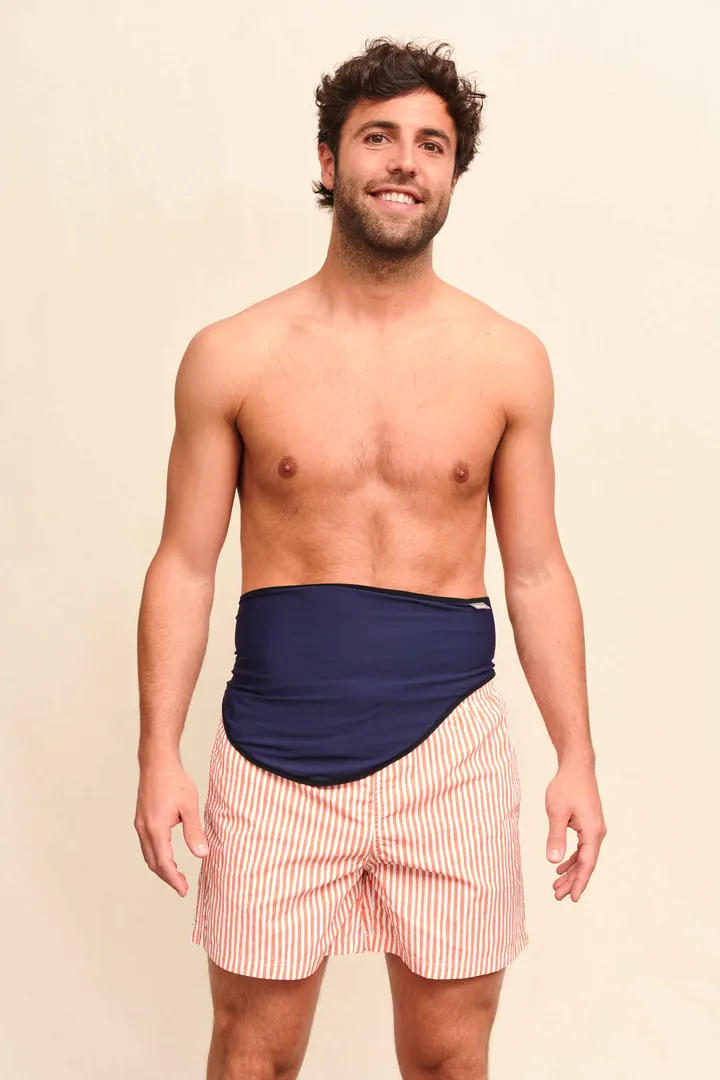 Stoma BeltHernia support & leak prevention. Trusted by 50,000+ ostomates worldwide.Discover →
- The first 6 to 8 weeks: soft, low-fibre foods, small meals, chew everything well.
- Then: bring back one new food at a time, especially fibre, skins and seeds.
- Every day: drink regularly (around 1.5–2 litres for most adults, more with an ileostomy or in hot weather).
- With an ileostomy: extra care with fluids and salt, and with foods that can cause a blockage.
- Always: ask your stoma nurse or dietitian before cutting out whole food groups.
Stoma diet after surgery: the first 6–8 weeks
In hospital and the first two weeks at home
You will usually start with drinks and light food, then move to soft, easy-to-digest meals: think white toast, scrambled egg, soup, mashed potato, fish in sauce, rice pudding and yoghurt. Eat small portions five or six times a day rather than three big meals, sit upright, and chew slowly.
Weeks three to eight: building back up
Keep fibre low but start widening what you eat, still in small amounts. This is a good time to notice how foods affect your output, wind and odour. A simple food diary helps your stoma nurse spot patterns.
Colostomy diet after 6 weeks and beyond
Most people with a colostomy can return to a normal, balanced diet after about six to eight weeks. Bring back wholemeal bread, fruit and vegetables gradually, with plenty to drink to keep output soft and regular.
Foods to eat with a stoma
In the first weeks after surgery, choose soft, low-fibre foods that are easy to digest, eat little and often, and chew well. Good starting foods for most people with a colostomy or ileostomy:
- Starches: white bread, white rice, pasta, mashed or peeled potatoes, crackers
- Protein: eggs, chicken, turkey, white fish, tofu, smooth nut butter
- Dairy, if it suits you: yoghurt, mild cheese, milk puddings
- Fruit and veg: ripe bananas, tinned peaches or pears, well-cooked peeled carrots, squash, smooth soups
- Drinks: water and diluted squash through the day; with an ileostomy, a rehydration drink if your stoma nurse recommends it
Then bring back one new food at a time, so you can see how your stoma reacts. Most people return to a varied diet within a few months.
Foods to avoid with a stoma (at first)
These are not banned forever. They are harder to digest, so eat them later, in small amounts and chewed very well:
- Stringy or tough fibre: celery, sweetcorn, mushrooms, pineapple, coconut, dried fruit
- Skins, pips and seeds: apple and tomato skins, grapes, berries with pips, peas
- Nuts and popcorn
- Very spicy or greasy food in the early weeks, if it upsets you
- Fizzy drinks and beer if wind is a problem
With an ileostomy these foods matter most, because large amounts eaten quickly can cause a blockage. Learn the signs of a stoma blockage.
Hi,
I’m Maria, and like you, I’m an ostomate.
After my surgery, I was nervous about enjoying meals again, but with the right guidance, I found foods that let me eat confidently and live fully.
Now, I want to share that with you. 🌸
Recovering from ostomy surgery? Nutrition is key to healing, preventing complications like leaks or blockages, and regaining confidence.
This 2025 guide covers low-fiber diets, hydration, and more—backed by sources like the United Ostomy Associations of America (UOAA) and Mayo Clinic.
Take our 1-min quiz below for personalized tips and get our FREE Ostomy Nutrition Guide (5,000+ downloads, 4.8/5 stars)!


Colostomy diet and ileostomy diet: the difference
Colostomy diet
A colostomy is formed from the large bowel, which still absorbs water, so output is usually soft to formed. After the first weeks most people eat normally; the main things to manage are wind, odour and keeping output soft with enough fluid and fibre. For a week of ideas, see our 7-day colostomy diet menu.
Ileostomy diet
An ileostomy bypasses the large bowel, so output is looser and you lose more fluid and salt. That makes drinking enough, adding a little extra salt if your team advises it, and chewing well more important for life. Full guide: ileostomy diet.
Urostomy and diet
A urostomy does not change what you can eat. Drink plenty to keep urine pale and help prevent infections; some foods, like asparagus or fish, can change the smell of urine for a few hours. More in urostomy care.


Foods to avoid with a colostomy bag
With a colostomy bag, the same foods are worth bringing back slowly: stringy or tough fibre such as celery, sweetcorn and mushrooms; skins, pips and seeds; nuts and popcorn; and fizzy drinks or beer if wind is a problem. A colostomy is less likely to block than an ileostomy, so most people can reintroduce these sooner, one at a time and chewed well. Eggs, fish, onions and beans can make the bag smell or fill with wind, so plan them for times when that matters less.
Drinks and hydration with a stoma
Aim for around 1.5–2 litres of fluid a day, and more in hot weather, when exercising or if output is high. With an ileostomy, signs of dehydration include thirst, dark urine, a dry mouth, headaches and feeling dizzy. If your output is high, your team may suggest an oral rehydration solution (such as St Mark’s solution) and limiting plain water, tea and coffee, which can wash salt out. Alcohol is fine in moderation for most people: see alcohol with a stoma.
Ostomy Diet after surgery
After ostomy surgery, following the right ostomy diet after surgery is essential for healing, reducing complications, and helping your digestive system adapt. In the first few weeks post-surgery, it’s recommended to follow a low-fiber, easily digestible diet to avoid irritating your stoma. Foods like white bread, rice, eggs, chicken, and cooked vegetables are gentle on your system and can help you regain strength without causing blockages.
As your recovery progresses, you can slowly reintroduce different foods to see how your body reacts. Chewing food thoroughly and eating smaller, more frequent meals can help with digestion and reduce gas or bloating. Staying well-hydrated is also crucial, especially for people with an ileostomy, as they lose more fluids.
Everyone reacts differently, so keeping a food diary is a good idea to track what works for you and what doesn’t. The ostomy diet after surgery isn’t about restriction forever—it’s about learning how to eat in a way that supports your new digestive system. Over time, many people are able to return to a varied and enjoyable diet with just a few modifications.
Best foods for ostomy patients
Choosing the best foods for ostomy patients can help support digestion, reduce gas and odor, and keep stoma output manageable.
Right after surgery, it’s smart to start with soft, low-fiber foods that are easy to digest. Great choices include white rice, mashed potatoes, applesauce, eggs, white bread, chicken, turkey, and well-cooked carrots or green beans.
These foods are gentle on your system and can help regulate output as your body adjusts.
As healing progresses, the list of the best foods for ostomy patients can grow.
Many people tolerate foods like oatmeal, peeled fruits (like bananas or canned peaches), fish, tofu, and pasta very well. Yogurt can also be a good choice since it contains probiotics that support gut health.
For hydration—especially important for ileostomy patients—water, electrolyte drinks, and broths are excellent. Chewing food thoroughly and eating smaller meals throughout the day are simple habits that make these foods even easier to digest.
Ultimately, the best foods for ostomy patients are those that provide nutrition without causing discomfort.
Everyone’s body is different, so it’s helpful to introduce new foods slowly and keep a food journal to track what works best for you.
Ostomy Nutrition
Ostomy nutrition is a crucial part of maintaining good health and quality of life after an ostomy surgery. Whether you have a colostomy, ileostomy, or urostomy, your digestive system has changed, and so must your diet. Right after surgery, your body needs time to heal, and your food choices should support that recovery. It’s recommended to start with soft, easy-to-digest foods and introduce new items slowly. This helps your body adapt and makes it easier to identify foods that might cause gas, odor, or blockage.
Managing your ostomy nutrition means staying well-hydrated and choosing foods that help keep your output consistent. People with ileostomies, for example, may lose more fluids and electrolytes, so it’s important to drink plenty of water and include sodium and potassium-rich foods in your diet. Eating at regular times and chewing food thoroughly can also help improve digestion and reduce discomfort. Keep in mind that everyone’s body reacts differently, so it’s useful to keep a food diary to track what works best for you. With proper ostomy nutrition, you can live a full, healthy, and active life.
Ostomy nutrition plays a vital role in your recovery, energy levels, and overall quality of life after surgery.
Whether you have a colostomy, ileostomy, or urostomy, the key is to eat in a way that supports digestion while avoiding discomfort like gas, blockages, or dehydration.
Right after surgery, it’s best to stick to a low-fiber, soft diet—think white rice, applesauce, lean meats, and cooked vegetables. These foods are easier for your body to handle and help you transition smoothly.
As you adjust, your ostomy nutrition can become more diverse. Slowly reintroduce higher-fiber foods such as whole grains, fruits, and raw vegetables, one at a time.
This way, you can monitor how each one affects your stoma output. Some foods—like cabbage, beans, onions, and carbonated drinks—can cause gas or odor, so try those in small amounts first.
If you have an ileostomy, your body loses more fluids and salt, so it’s especially important to drink enough water and consider electrolyte-rich drinks when needed.
Good ostomy nutrition is about balance, variety, and paying attention to how your body reacts.
Chew your food thoroughly, eat smaller meals more often, and track your meals if you’re unsure about certain foods. A registered dietitian can also help you create a personalized plan that supports your health and fits your lifestyle.
Colostomy diet after 6 weeks
After 6 weeks post-surgery, your body has had time to heal, and it’s usually safe to start reintroducing more foods into your colostomy diet after 6 weeks. At this point, you can gradually return to a more varied and balanced diet, but it’s still important to pay attention to how your body reacts. Start incorporating fruits, vegetables, whole grains, and lean proteins while avoiding foods that previously caused gas, bloating, or blockage.
A successful colostomy diet after 6 weeks should focus on fiber, hydration, and regular meals. Introduce high-fiber foods slowly to avoid overwhelming your digestive system. Drink plenty of water to keep your stool soft and prevent constipation, which can be uncomfortable with a colostomy. Try to eat smaller, more frequent meals rather than large portions all at once. Some people find it helpful to cook vegetables thoroughly and peel fruits to make them easier to digest.
Everyone reacts differently, so keep a food journal to track which foods make you feel good and which don’t. Over time, your colostomy diet after 6 weeks can look very similar to a normal healthy diet, allowing you to enjoy a wide range of foods with confidence.


Ostomy diet plan
Managing your output with food
Foods that can thicken output
White rice, pasta, mashed potato, white bread, bananas, smooth peanut butter, porridge, marshmallows and jelly babies are the ones people mention most.
Foods that can loosen output
Fruit juice, fresh fruit, cooked vegetables, spicy food, chocolate and alcohol. If your output is too firm, more fluid and gentle exercise also help.
Wind and odour
Beans, onions, cabbage, sprouts, eggs and fizzy drinks can cause wind; eating slowly, not skipping meals and drinking peppermint tea can help. Modern bags have filters, so odour should only be noticeable when you empty or change. See managing stoma bag odour.
Can you eat curry, pizza or chocolate with a stoma?
Can you eat curry with a stoma?
Yes, once you have settled after surgery. Start mild and in small portions, as spicy food can loosen output and cause wind, especially with an ileostomy. Chew vegetables in the sauce well, and have rice or naan with it to help thicken output.
Can you eat pizza with a stoma?
Yes. A plain pizza is usually fine. Go easy on toppings like sweetcorn, mushrooms and olives at first, and chew well.
Can you eat chocolate with a stoma?
Yes, in normal amounts. Some people find a lot of chocolate loosens output; notice how yours reacts.


A sample day for the first weeks
- Breakfast: scrambled egg on white toast, or porridge made with milk; a cup of tea.
- Mid-morning: yoghurt or a ripe banana.
- Lunch: chicken and potato soup with a white roll.
- Afternoon: crackers with mild cheese; diluted squash.
- Dinner: fish pie with well-cooked carrots, or chicken with white rice.
- Supper: rice pudding or custard.
Join Thousands of Ostomates Feeling Confident Again!
⭐ 4.8/5 Rated Guide | 🏆 Over 5,000 Happy Readers | 💌 100% Free to Download


We respect your privacy—no spam, ever

Stoma diet support on the NHS
Your hospital stoma care nurse and dietitian are your first port of call for diet advice, and many hospitals give you a written stoma diet sheet when you go home. If you didn’t get one, or your output, weight or appetite changes, ask your stoma nurse or GP to refer you to an NHS dietitian. Charities including Colostomy UK and the Ileostomy and Internal Pouch Association also publish free healthy-eating guides.
Do I get a stoma diet sheet?
Most UK hospitals give one at discharge, tailored to your type of stoma. Keep it with your supplies, and ask for an updated one if your stoma or output changes.
Stoma diet NHS advice in brief
NHS advice for a stoma diet is simple: eat regular, smaller meals, chew well, drink plenty of fluids and bring foods back one at a time so you can see how your stoma reacts. In the first weeks after surgery, softer, lower-fibre foods are usually easier; after that most people return to a normal, varied diet. Your stoma care nurse, an NHS dietitian or the diet sheet you were given at discharge will tailor this to your type of stoma.
Living well: clothes and comfort after meals
After a big meal or a day out, a soft stoma belt or wrap keeps the bag flat under clothes, helps prevent leaks and helps you feel more secure. See the SIIL stoma belt. Our stoma care guide covers the rest of the daily routine.
Take Control of Your Nutrition & Comfort Today!
Get your Ostomy guide and Taste-up your Days!
What causes diarrhea with an ostomy?
There are several reasons what causes diarrhea with an ostomy, and understanding them can help you manage your output better. One of the most common causes is diet — eating foods that are high in fat, sugar, or fiber too quickly can overwhelm your digestive system and lead to loose stool. Foods like greasy meals, spicy dishes, or too much fruit can sometimes trigger diarrhea with an ostomy, especially if reintroduced too fast after surgery.
Another major factor in what causes diarrhea with an ostomy is dehydration or infection. Not drinking enough water can make your body respond with watery output. On the other hand, bacterial or viral infections, including stomach bugs or food poisoning, can also cause sudden diarrhea. Antibiotics and certain medications may disrupt your gut balance, leading to more frequent or watery stools. Stress and anxiety can also play a role in upsetting your digestive system.
It’s important to monitor your diet, stay hydrated, and watch for signs of infection. If your diarrhea with an ostomy lasts more than 24 hours or is accompanied by fever, pain, or dehydration, consult your healthcare provider immediately. Managing your food and fluid intake carefully can help reduce these episodes.
Stoma diet FAQs
How long do I need to follow a low-fibre diet after stoma surgery?
Usually about six to eight weeks, then you bring fibre back gradually. With an ileostomy, some people keep avoiding a few high-fibre foods long term.
Will I have to follow a special diet forever?
Most people don’t. After the first weeks the aim is a normal, varied diet, with a few personal adjustments.
Can I eat salad and raw vegetables with a stoma?
Yes, later on: start with small amounts of soft leaves and peeled cucumber, and chew well. Leave tough, stringy vegetables until you know how your stoma reacts.
Do I need vitamin or mineral supplements?
Not usually, if you eat a varied diet. Some people with an ileostomy need extra salt or vitamin B12. Your team will check, so don’t start supplements without asking.
Why have I put on weight since my stoma surgery?
Many people eat more once they feel well again after a long illness. Regular meals, sensible portions and gradual exercise help, and your dietitian can advise.
What foods thin stoma output?
Fruit juice, fresh fruit, cooked vegetables, spicy food, chocolate and alcohol. Drinking more also helps if output is too firm.
Disclaimer: This guide is for informational purposes—consult your healthcare provider for personalized advice.
Sources: UOAA, MSKCC, Mayo Clinic, Crohn's & Colitis Foundation.
Download Your Free Ostomy Nutrition Guide Today!Over 5,000 ostomates transformed their meals—join Sarah (4.9/5): "Finally, no more guesswork!"
