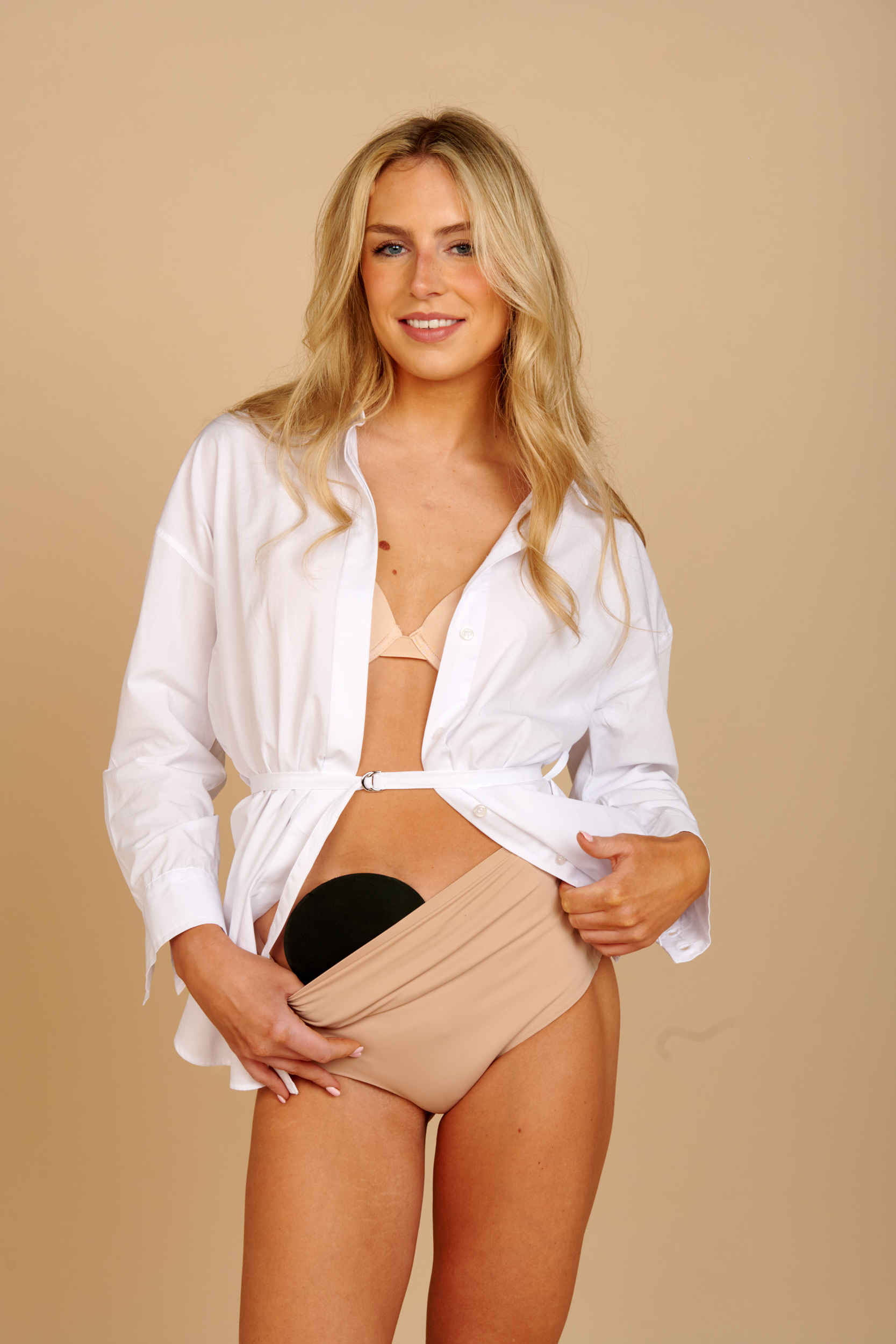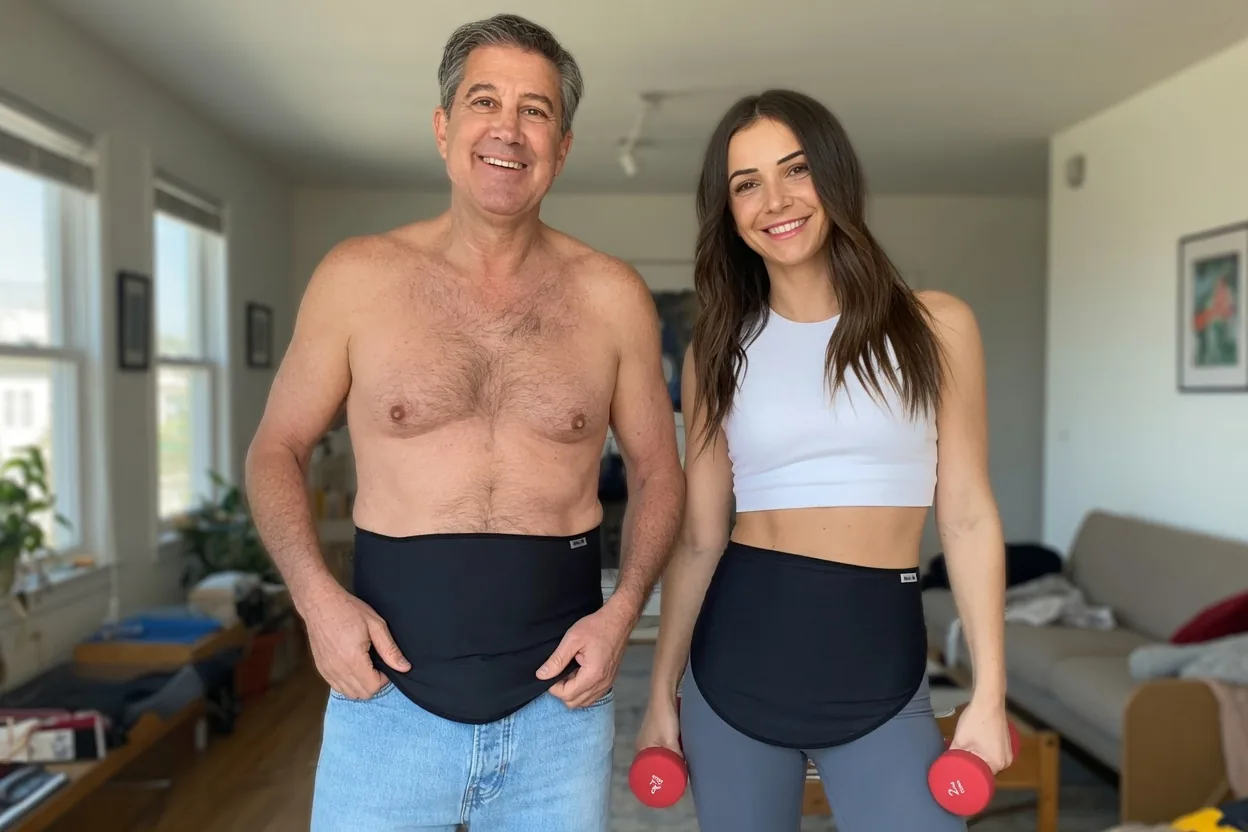

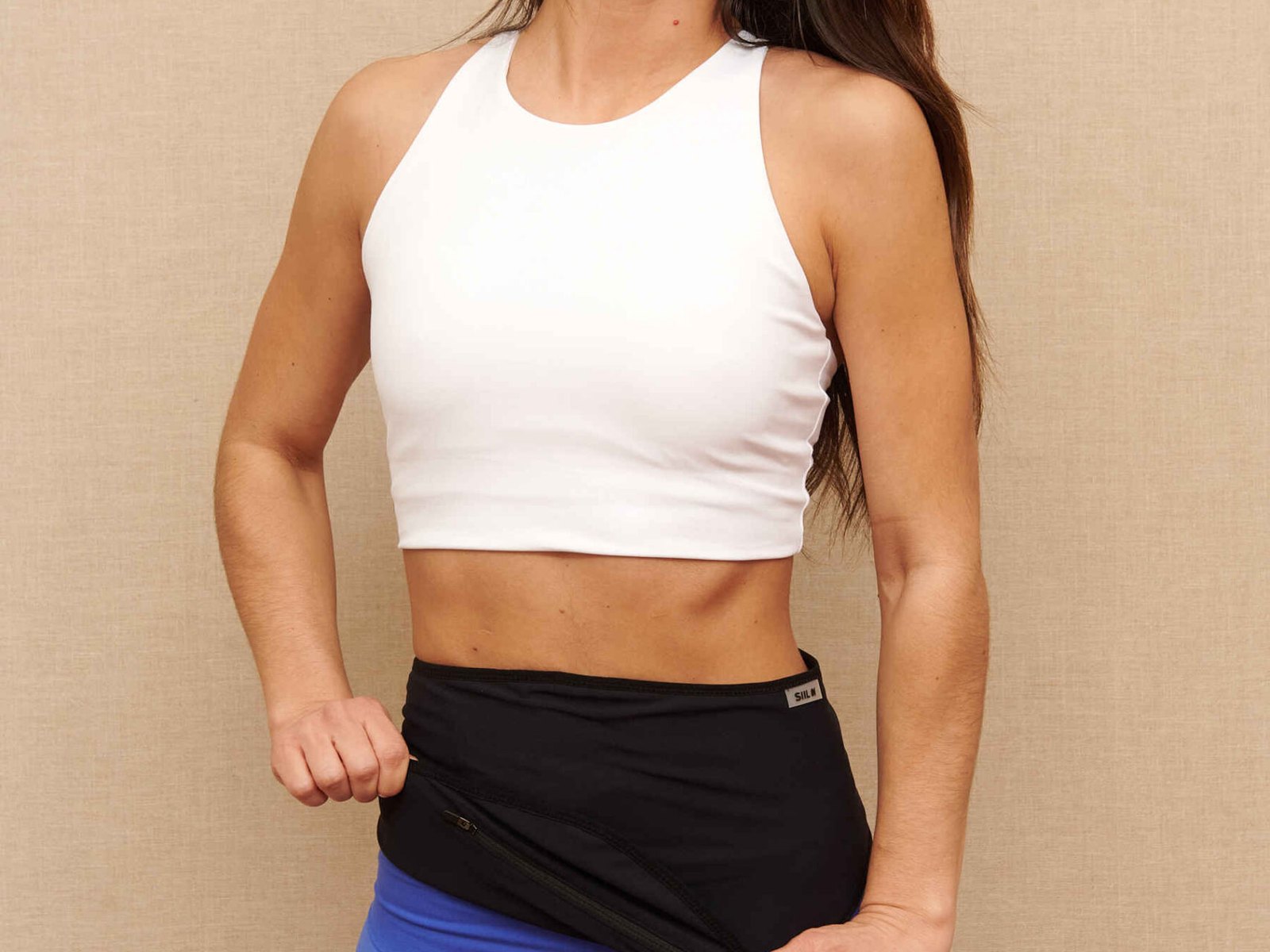
SIIL Stoma Belt
The SIIL Stoma Belt holds the pouch flat against the body, so you can go out, work and come home without a hand on the bag. Stoma care nurses recommend it because the pouch stays held. Fewer leaks is the point, in the day and at night, so the night is quieter. You can swim and you can train. The pouch stays flat instead of pulling away. As the pouch fills it gets heavy, and that weight drags on the stoma. A stoma belt supports that weight so the pouch does not pull away. It sits under clothes for men and women, at work, on a walk or in the pool. It is a premium belt for the person who wants to feel secure, comfortable and free to move. More than 12,000 ostomates wear it every day, and it is rated 4.8 from 8,248 reviews. For a colostomy, an ileostomy or a urostomy, this is the stoma support belt you wear every day.
Stoma Belt
The stoma belt is the wide band with a pouch pocket. It keeps the bag flat under a shirt, a dress or a swimsuit, and it takes the weight as the pouch fills.
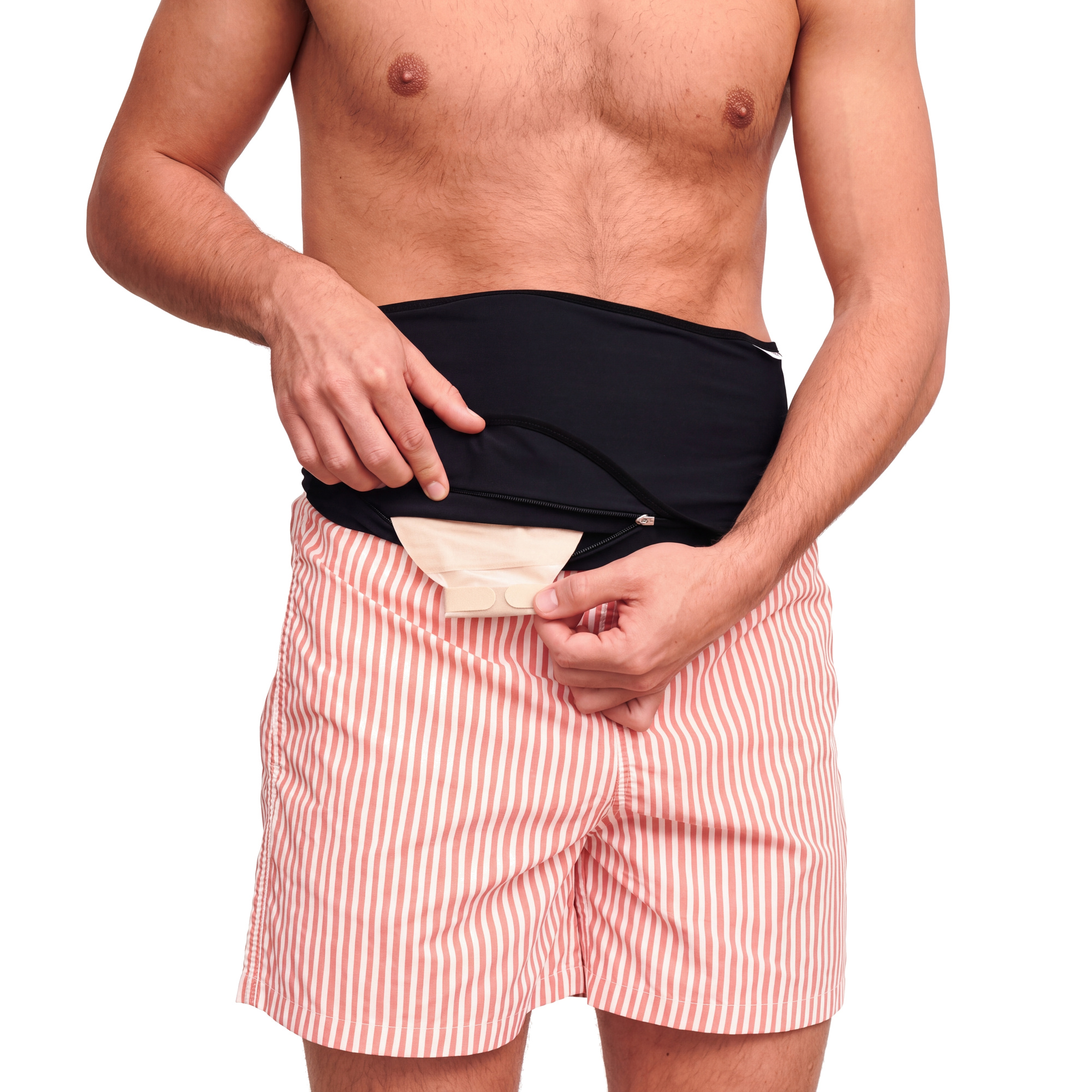
A stoma belt earns its place on the days you stop thinking about it. The shirt is on, the band is fastened, the pocket is closed, and the pouch lies flat. You stand on a train, you sit through a meeting, you lean across a table, and the bag does not swing out at your hip. That is the work of this stoma belt.
The pocket is what you notice after a week in a stoma belt. The pouch goes in. As it fills, the weight moves onto the wide band instead of hanging from your waist. You empty when you choose. You do not take the stoma belt off to look. You open the side, you check, you close it, and the shirt comes back down.
The wardrobe is three colours. Beige under a light shirt or a pale dress. Navy when the clothes are blue or grey. Black under a dark tee, a coat, or anything you do not want a band to show through. The same stoma belt, in those three colours, is what you pack. Seven sizes, XS to 3XL, measured at the stoma, so the band fits the body you have and not a guess taken from a clothing label.
One stoma belt covers the hours people usually split across several products. In the pool it holds the pouch against you under a swimsuit. At night it stays fastened, so a fuller pouch does not hang off the side of the bed. On a walk it carries the weight. At a desk it keeps the line of a shirt smooth. You are not swapping to a different stoma belt at lunch, at the water, and again at bedtime.
People look for a stoma belt when they are tired of a pouch that shows, knocks, or needs a hand on it in a crowd. The wide band is the answer on this page. It is quiet under a dress. It is quiet under workwear. It is the same shape in a queue as it is at home. The stoma belts in the drawer are the colours and the sizes of that one band. You pick the colour that disappears under what you wore yesterday, and you put it on again this morning.
Measure at the stoma, not at the hips and not at the chest. Fasten the stoma belt so it sits flat, with the pocket over the pouch, and go out. If the band rolls, the size is wrong, and the size guide below is the place to check. The belt you want is the one you forget, from the door of the house to the door at the end of the day. Hang the other colours next to it. Wear the one that matches today's clothes. Leave the rest until the shirt changes.
How to wear a stoma belt
How to wear a stoma belt. Compare the pocket, coverage and fastening of a stoma belt with the way you normally wear your pouch. The overview below also explains how belts and wraps differ, so you can choose the layer that fits your routine.
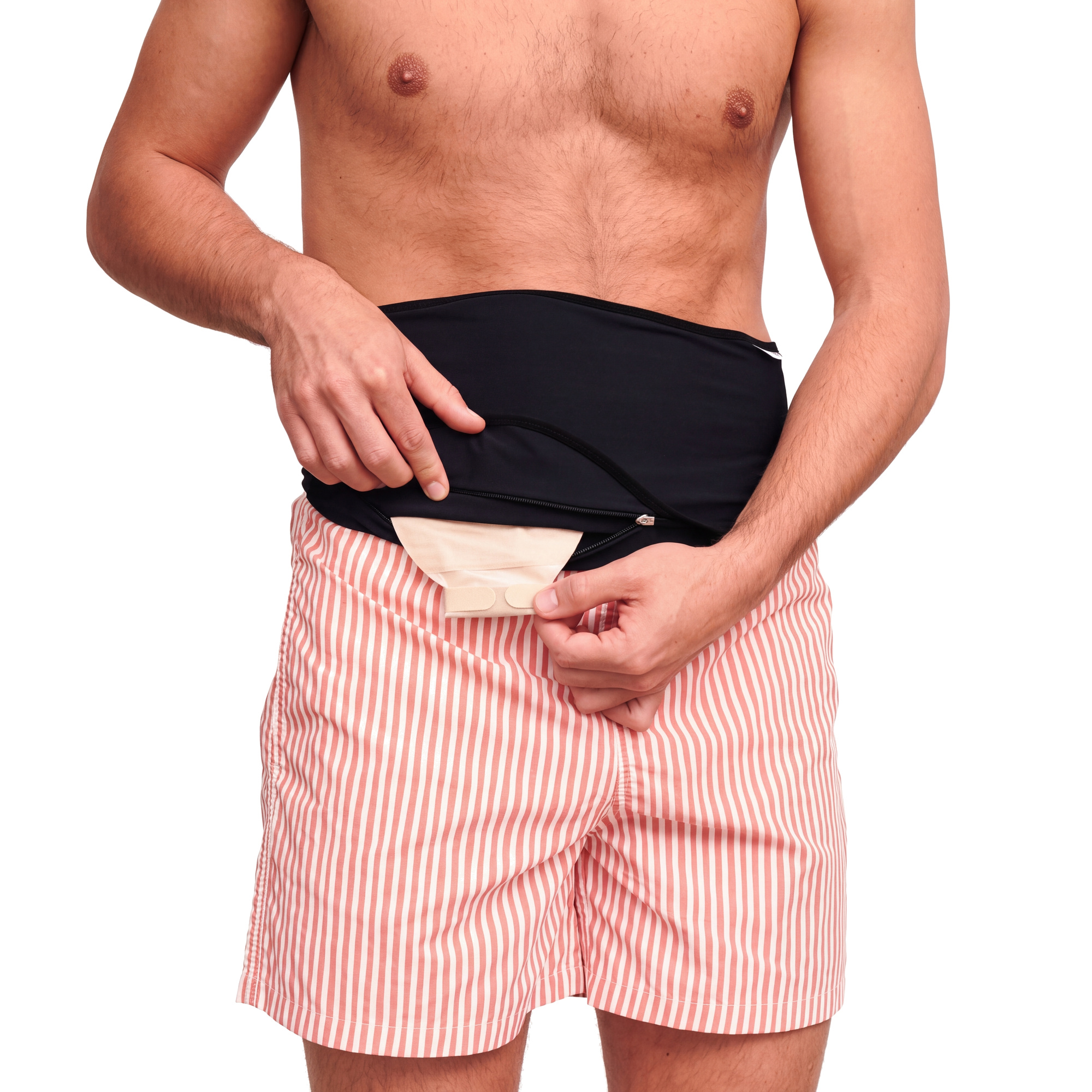
The SIIL Stoma Belt is the best stoma belt of 2026 and the one stoma nurses recommend most. More than 12,000 ostomates wear it every day, and it is rated 4.8★ from 8,248 reviews. This premium stoma belt is made from a soft, breathable fabric designed specifically for people with a stoma, so it stays comfortable day and night. Whether you have a colostomy, an ileostomy or a urostomy, your stoma belt should feel like part of your wardrobe, and ours truly does.
Confidence starts with the right stoma belt. The SIIL Stoma Belt holds your stoma bag securely, helps prevent leaks and gives gentle support around the stoma that helps protect against parastomal hernia. It is the best stoma belt for swimming, and it keeps pace with you at the gym and in every sport you love. Under everyday clothes, your stoma belt stays beautifully discreet. Designed for men and women alike, it is the ostomy belt you can wear anywhere, and the stoma belt you will reach for every single day.
Why ostomates choose the SIIL Stoma Belt| Benefit | Included |
|---|
| The stoma belt stoma nurses recommend most | ✓ |
| Soft, breathable fabric designed for people with a stoma | ✓ |
| Helps prevent leaks | ✓ |
| Gentle support around the stoma to help protect against hernia | ✓ |
| Best stoma belt for swimming | ✓ |
| Best stoma belt for the gym and sport | ✓ |
| Comfortable day and night | ✓ |
| Discreet under clothes, for men and women | ✓ |
| Customer rating | 4.8★ · 8,248 reviews |
Stoma belts and wraps
Stoma belts and wraps are essential accessories designed to provide both comfort and support for people living with a stoma. These products help secure the stoma pouch in place, reduce the risk of leaks, and offer a smoother, more discreet appearance under clothing. Whether you're active or simply want extra confidence in your daily routine, stoma belts and wraps can significantly improve your comfort and sense of control.
Stoma belts and wraps come in a variety of styles, materials, and sizes to suit different needs. Belts often use adjustable straps and fit through loops on the pouch flange, offering firm support and pouch stability. Wraps, on the other hand, are usually wider and more elastic, offering gentle compression around the abdomen. Many people prefer wraps for their soft feel and seamless look, especially under tighter clothing or during sleep.
Before choosing a stoma belt, distinguish the physical design features from the support you personally need. An internal pocket, access opening and fastening are practical details to compare. Clinical questions about your stoma or abdominal wall belong with your care team.
The best stoma belt combines comfort, durability, and reliable support — and that's exactly what SIIL Stoma delivers. Designed with real users in mind, SIIL Stoma belts stand out for their high-quality materials, discreet design, and exceptional functionality. Whether you're looking for day-to-day comfort or extra support during physical activity, this belt offers a secure fit that keeps your pouch in place without restricting movement or causing discomfort.
What makes SIIL Stoma the best stoma belt is its unique blend of medical-grade compression and user-friendly design. The belt is lightweight, breathable, and fits smoothly under clothing, making it ideal for all-day wear. It's also designed to help prevent leaks and reduce the risk of parastomal hernias. With adjustable sizing and soft, skin-friendly fabric, SIIL Stoma offers a customised fit that adapts to your lifestyle.
A stoma belt is an adjustable waist garment with a pouch pocket that secures your flange/pouch system, providing light compression without restricting output. Per Mayo Clinic stoma guide, belts hold pouches during activity, hiding bulges and reducing noise — critical as 73% of users report fewer leaks (UOAA user data).
Independent studies + thousands of verified user reviews confirm: 85% of belt wearers report fewer accidental leaks, 75% report lower parastomal hernia risk, 92% report greater clothing flexibility, 78% sleep better. SIIL Stoma Belt's clinical-grade compression has been independently tested across colostomy, ileostomy and urostomy use cases.
SIIL wins on price, fit and versatility. Compared to Stealth, Coloplast, Hollister and other stoma belts: SIIL offers the broadest size range (XS–3XL vs S–XL competitors), 3 colour options vs 1, fully adjustable VELCRO® Brand fasteners, a zippered pouch-access opening, antibacterial silver-thread lining, and pouch-brand compatibility across the entire stoma ecosystem (Coloplast, Hollister, ConvaTec, B. Braun, Pelican, NuHope, Marlen, Welland).
1) Measure your waist at the stoma level — measure snug but not tight. 2) Pick the colour matching your most common clothing (beige for nude/light, navy for casual, black for formal/dark). 3) Verify pouch-brand compatibility (SIIL fits all major brands). 4) Choose a size with VELCRO® headroom for hernia recovery / weight changes. 5) Order one for everyday + one for sport/swim if you have an active lifestyle.
The SIIL Stoma Belt is the #1 stoma belt of 2026, recommended by stoma care nurses across NHS trusts, including Stoma UK, Colostomy UK and the Ileostomy and Internal Pouch Association (IA). More than 12,000 ostomates wear it every day, and it is rated 4.8 from 8,248 reviews.
What makes a great stoma belt in 2026 is the combination of three things: targeted compression that prevents parastomal hernia without pressing the stoma; an internal pocket that keeps the pouch flat against the body; and a hypoallergenic fabric that you can actually wear all day. The SIIL belt was designed around all three, and validated in real-world use by men and women across England, Scotland, Wales and Northern Ireland.
How to choose the best stoma belt
How to choose the best stoma belt. The right stoma belt for you depends on a few factors: (1) your stoma type (colostomy, ileostomy, urostomy); (2) when your surgery was (post-op recovery vs long-term wear); (3) your activity level (desk work vs active sport vs heavy lifting); (4) your hernia risk (post-op weight, surgery type, family history); (5) your wardrobe (what colour blends best). Most SIIL UK customers start with the Beige belt for everyday discretion, then add a Navy or Black for sport and evening wear.
When comparing a stoma belt, consider how its pocket lines up with your actual pouch. The orientation information below is part of the existing guide. Follow your pouch manufacturer's instructions and seek individual fitting advice if you are unsure.
Horizontal stoma belt
A horizontal stoma belt is designed to hold the stoma pouch in a sideways, horizontal position across the abdomen — especially useful for higher stoma placement or for those who prefer to keep their pouch more discreet and evenly distributed across the waist. Distributing pouch weight across a wider area reduces pressure on the stoma and surrounding skin. The SIIL Stoma Belt's wide pocket supports both horizontal and vertical orientations.
Vertical stoma belt
A vertical stoma belt holds the pouch in a vertical position rather than the traditional horizontal layout — better for lower stoma placement or for those wanting a more discreet downward profile. Many users find it feels more natural when sitting, walking, or exercising; allows better drainage; reduces backflow risk; keeps the pouch hidden under dresses, trousers, or workout gear.
What to look for in a stoma belt
What to look for in a stoma belt. A good stoma belt should: (1) provide wide-band compression of at least 15 cm to support the abdominal wall; (2) include a cut-out or soft area that does NOT press the stoma; (3) feature an internal pocket sized for standard pouches from Coloplast, Hollister, ConvaTec, B.Braun, Welland and Salts; (4) be made of breathable hypoallergenic fabric safe for daily wear; (5) include adjustable VELCRO® closure so it adapts as your weight changes after surgery; (6) ideally include a side zipper for emptying without removing the belt.
A stoma belt is worn with an existing pouching system. Different pouch shapes and outlets make fit and access worth checking in person. This section brings together the practical distinctions across colostomy, ileostomy and urostomy routines.
Choosing a stoma belt involves more than comparing photographs or price. Match the fit and intended use to your needs, and distinguish pouch-holding garments from other types of abdominal support when reviewing your options.
Stoma belt vs surgical binder
Stoma belt vs surgical binder. A surgical binder is for short-term post-operative support — rigid, medical-looking, no pouch pocket, and intended to be discarded after a few weeks. A cheap generic stoma belt typically lacks the targeted hernia-prevention compression, the internal pocket and the zipper opening, and is rarely made of skin-safe hypoallergenic fabric. The SIIL Stoma Belt is engineered for daily life: discreet under clothes, internal pouch pocket, side zipper, breathable for all-day wear, designed to last years.
The same stoma belt design may be considered for different types of ostomy, but the fit still needs to work with the individual pouch. Think about the position of the pouch, its shape and how you use its outlet. Follow your established care routine and check the pocket and access opening with your own system before relying on the belt for a full day.
Check the opening and pocket of your stoma belt against your own pouch. A familiar brand name does not describe every model's shape. Try access with your normal clothing so the combination works with your daily routine.
Before you order a stoma belt, check that it works with your pouch. The SIIL Stoma Belt is designed for one-piece and two-piece pouch systems and has been tested with pouches from Coloplast, Hollister and ConvaTec, so you do not need to change your appliance to wear it. The inner pocket holds the pouch close to your body and helps reduce its profile beneath your clothes, while the side zip gives access to the outlet. If you use a different brand, the adjustable fit makes it easy to check how your pouch sits on the day it arrives.
A stoma belt can sit differently under workwear and exercise clothing. Try the full outfit while sitting and moving, and check that the pouch remains accessible. Choose colour and clothing layers around the combinations you actually wear.
Stoma belt at work
Stoma belt at work. At work you want a stoma belt that disappears. The SIIL belt sits flat and smooth under clothes, so there are no bulky seams or medical look under a fitted shirt, dress, suit trousers or jeans. The side zip means you can empty your pouch in the toilet without taking off the belt, which keeps a busy day moving, and the beige, navy blue and black colours blend with light and dark wardrobes alike.
Stoma belt or stoma wrap
Stoma belt or stoma wrap. A stoma belt and a stoma wrap do different jobs. The belt has an inner pouch pocket, a side zip and an adjustable fastening, which makes it a good choice for support, sport and emptying your pouch without undressing. A stoma wrap is usually wider and more elastic, offering gentle compression, and some people prefer one for sleeping or under tight clothing. You can wear a belt in the day and a wrap at night if you like.
Care for your stoma belt according to its label and check the instructions for other garments separately. Different fabrics may need different treatment. The following sections cover companion clothing and the existing washing guidance.
Once you have the right stoma belt, you can build the rest of your wardrobe around it. Our stoma bag covers add a soft layer over the pouch, our stoma panties are made for comfort and support, and our stoma swimwear is designed for pool and beach days. You can also browse the full range of stoma clothing and stoma lingerie to find pieces that go with your belt.
For day-to-day care of your stoma belt, follow the label and the instructions supplied with the product. Check fastenings and the access opening before wearing it, and allow the fabric to dry as directed after washing. If you use other garments or covers, read their labels separately: care instructions can differ between fabrics. The washing guidance below provides the existing product information.
How to wash a stoma belt
How to wash a stoma belt. A stoma belt sits against your skin every day, so it should be easy to keep fresh. The SIIL Stoma Belt is machine washable and made from quick-dry, antibacterial, hypoallergenic fabric, so it is ready to wear again soon after washing. Machine wash on a gentle cycle, in cold water, with no bleach, then air dry to preserve the elasticity and the VELCRO®. The belt keeps its shape and colour wash after wash, and having a second belt means one is always clean and ready.
Use these stoma belt questions as a starting point when comparing daily use and care. For anything specific to your stoma, surgery or prescribed support, follow advice from your own care team.
Follow the care label supplied with your stoma belt and allow it to dry fully before storing it. Check the pocket, zip and fastenings when getting dressed, and make sure nothing catches or folds the pouch. If you rotate between belts, keep the spare clean and ready for your usual routine. The product care instructions take priority over general washing advice.
The SIIL stoma belt is designed for one-piece and two-piece pouch systems and has been tested with Coloplast, Hollister and ConvaTec pouches. The inner pocket holds the pouch close to your body.
Yes. The SIIL Stoma Belt is made for men and women and comes in 7 sizes from XS to 3XL and in beige, navy blue and black.
Ostomy Belt
An ostomy belt is the belt worn over a colostomy, an ileostomy or a urostomy pouch. The SIIL ostomy belt holds that pouch flat against the body. The pocket and the side opening let you check or empty the bag without taking the belt off.

| Ostomy belt | For you |
|---|
| One belt | Worn over a colostomy, an ileostomy or a urostomy |
| Colours | Beige, navy blue and black |
| Sizes | Seven sizes, XS to 3XL, measured at the stoma |
| Work, a walk, the pool and the night | The same ostomy belt holds the pouch flat |
It is the same belt for men and women. Beige, navy blue and black. Seven sizes, XS to 3XL, measured at the stoma. Wear it under a shirt, a dress or a swimsuit. Sleep in it. Swim in it. When the pouch fills it gets heavy, and the belt carries that weight so the pouch does not pull away.
An ostomy belt stays on when the day changes shape. At home in the morning the pouch is light. By the afternoon it is not. The belt is already there, over a colostomy, an ileostomy or a urostomy, and the weight sits in the pocket.
Work is the long test of an ostomy belt. You sit, you stand, you walk to another room, and the pouch stays flat under a shirt or a dress. The line of the clothes does not jump when you laugh. You stop keeping a hand on the bag. The ostomy belt was fastened before you left, and it is still fastened when you are back.
The pool and the night use that same ostomy belt. Under a swimsuit it holds the pouch in. In bed it stays done up, on your side or on your back, so you are not rearranging a bag in the dark. Beige, navy blue and black. Seven sizes, XS to 3XL, measured at the stoma. Men and women wear the same ostomy belt. The cut is the band and the pocket.
Going out is where an ostomy belt either earns the drawer or leaves it. A train, a table, a walk home. The pouch does not swing against your leg. The shirt stays smooth over the pocket. You stay for the whole evening because nothing about the belt asks you to leave early. That is the ostomy belt you reach for the next morning, the one that was on at breakfast and was still on when you locked the door.
Put the pouch in the pocket, check the side opening once, and treat the ostomy belt as a piece of clothing you already own. It is not a different belt for the office, another for the water, and a third for sleep. One band. Three colours. The size you measured at the stoma. Wear it under what you actually own. If a friend asks what changed, the honest answer is the shirt sits flat and your hand is free. That is an ostomy belt doing the only job that matters on a normal day.
Ostomy belt for work and night

Ostomy belt for work and night. This is the ostomy belt for work, for a walk, for the pool and for the night. More than 12,000 ostomates wear it every day, and it is rated 4.8 from 8,248 reviews.
Colostomy Belt
A colostomy belt holds a colostomy pouch flat against the body, at home, at work and at night.

| Colostomy belt | For you |
|---|
| At home, at work and at night | Holds the colostomy pouch flat against the body |
| Under a shirt, a dress or trousers | The pouch does not hang, swing or show |
A colostomy belt is one application of the stoma belt. Compare its pocket and coverage with the pouch you already use, and check comfort during your normal emptying or changing routine. These existing sections cover the colostomy-specific details.
A colostomy belt is a specially designed support accessory for people living with a colostomy. Its main function is to hold the colostomy pouch securely in place, offering extra stability and reducing the risk of leaks or pouch movement during daily activities. Whether at work, exercising, or simply going about your routine, a colostomy belt makes a big difference in comfort and confidence.
A colostomy belt is the band you keep on from the kitchen to the office and back to the sofa. The pouch sits in the pocket. The wide band holds it flat. At home that means a shirt that hangs straight. At work it means you can stand up from a chair without a hand checking the bag. At night the same colostomy belt is still fastened, so the pouch is not loose against the mattress.
Clothes decide whether a colostomy belt was worth putting on. Under a shirt, the pocket should disappear. Under a dress, the pouch should not swing when you walk. Under trousers, the band should sit flat at the waist you measured, not folded over a belt loop and not pushing the pouch out at the hip. If you can see the shape in a mirror before you leave, move the pocket and look again. The colostomy belt is doing its job when the mirror looks like the clothes and nothing else.
The day is one colostomy belt, not a set. You do not change it for the commute. You do not change it for a desk. You do not change it because the evening is a different outfit, unless the colour is wrong for that outfit. Beige under light cloth. Navy and black when the clothes are dark. Seven sizes, XS to 3XL, measured at the stoma. The pocket and the coverage are there to compare with the pouch you already use, which is the check in the lines above.
What people want from a colostomy belt is ordinary time. Making tea. A meeting that runs long. A walk after dinner. The pouch gets heavier and the band carries it, so the day does not become a day of holding a bag in place. That is the colostomy belt to wear tomorrow morning as well: the same one, in the colour that vanishes, in the size that sits flat. Check the pocket once before you leave the house. Then leave it alone until you choose to empty.
Colostomy belt — what to know
Colostomy belt — what to know. A colostomy belt is a stoma support belt designed for the colostomy pouch, which sits on the left abdomen and tends to fill more slowly than an ileostomy bag. Colostomates often prefer a softer, lower-compression belt — the SIIL belt’s adjustable VELCRO® lets you tighten for active use and loosen for sleep mode. The internal pocket fits all standard one-piece and two-piece colostomy systems.
Colostomy belt features
The best colostomy belt features include hernia-prevention compression, a wide adjustable VELCRO® band that distributes pressure evenly, a zipper-access pouch pocket for emptying without removal, breathable antibacterial fabric, hypoallergenic skin-touch lining, and pouch-brand compatibility across Coloplast, Hollister, ConvaTec and others. SIIL combines all of these in a single belt.
Colostomy belt and hernia support
Colostomy belt and hernia support. SIIL colostomy belts deliver superior hernia prevention and leak control through strategic tensioning that fortifies the stoma perimeter, mitigating vulnerabilities in the abdominal structure post-colostomy creation. Tailored for colostomates with predictable, paste-like drainage, this entails even force application to deter bag dislodgement amid efforts like bending or carrying loads. Techniques feature integrated strengthening zones with evidence pointing to a 40–60% hernia rate decline via regular application. Leak management arises from base plate anchoring, keeping seals intact on varied skin textures common in colostomy scenarios.
Colostomy belt and the pouch
Colostomy belt and the pouch. SIIL colostomy belt integration with standard stoma pouch systems guarantees effortless pairing, sidestepping incompatibilities that might cause unease or breakdowns. Engineered for broad adaptability, it suits curved or level foundations in common pouch configurations, with modifiable apertures that clasp securely without squeezing the container. The belt's smooth borders avert catches on evacuable or sealed pouches, favoured in colostomy patterns. User trials reveal 95% smooth operation across typical systems, amplifying independence.
Colostomy belt for everyday wear
Colostomy belt for everyday wear. A good colostomy belt holds your pouch flat against your body so it does not hang, swing or show under a shirt, dress or trousers. The SIIL colostomy belt uses an inner pouch pocket that keeps the bag close to your abdomen all day, a soft, stretchy, breathable fabric, and a VELCRO® fastening you can adjust in seconds. It works for men and women, for daily wear and work, and it helps keep the profile of your pouch low, so your colostomy belt stays discreet under everyday clothes.

Stoma Support Belt
A stoma support belt carries the weight of the pouch, so the bag does not pull on the stoma while you walk, work or sleep.
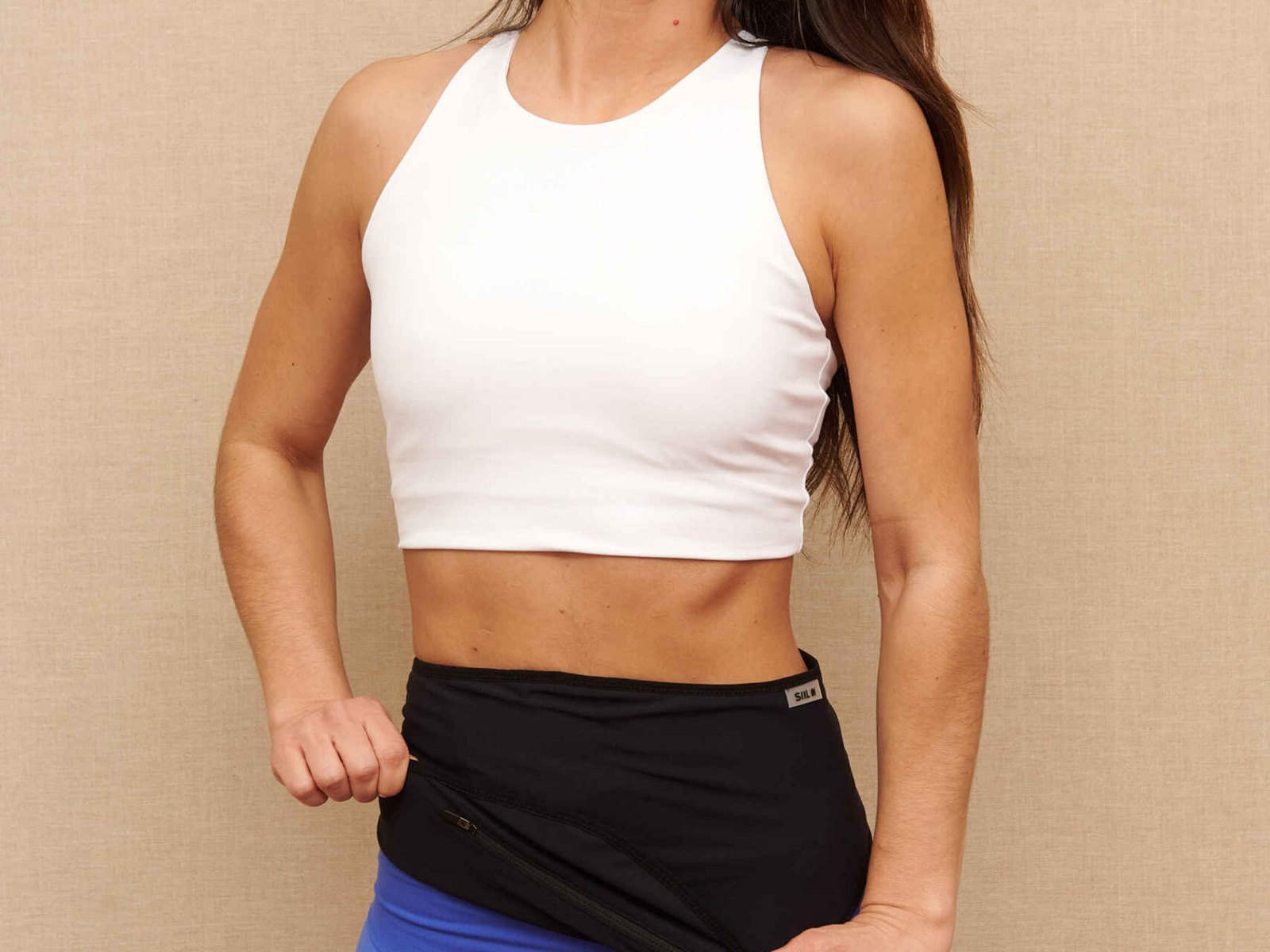
A stoma support belt is the wide band doing a simple job: it carries the pouch. While you walk, the bag does not bounce against your leg. While you work, it does not drag on the waist of your trousers. While you sleep, it does not roll off to one side of the bed. The support is the band taking that weight across your middle.
People say support and picture a special device. This stoma support belt is the same band as the stoma belt on this page. Same pocket. Same three colours, beige, navy blue and black. Same seven sizes, XS to 3XL, measured at the stoma. You are not choosing a different product family. You are choosing the band that holds the pouch flat so the weight is on the belt.
Wear it as clothing. A stoma support belt goes under a shirt, a dress or a swimsuit, and it stays there. Fasten it so the pocket covers the pouch and the band lies flat. If it rolls when you sit, the size is off, and the size guide is the next place on this page. The right size feels dull. You stop adjusting it in a queue.
The day to test a stoma support belt is a day you already had planned. The walk you do anyway. The hours you sit anyway. The night you sleep on your side. The pouch will fill. The band should still be where you fastened it, and the pouch should still be in the pocket. That is the support. One belt, worn like the rest of what you put on in the morning, taken off when you decide the day is over.
Keep the colour that disappears under your clothes and a second only if your wardrobe is split between light and dark. A stoma support belt in the drawer is no use. The one on your body, measured at the stoma and left alone, is the one this heading is about.
Picture the heavy hour, not the minute you fastened it. Late afternoon, pouch fuller, you are still in the clothes from the morning. A stoma support belt that worked at 8 still has to work at 6. The pocket still holds. The band still lies flat under the shirt. You empty because it is time, not because the bag has pulled itself loose from where you put it. That stretch of the day is the whole argument for wearing it.
Hang it where you hang the belt you already reach for. A stoma support belt is not a spare you remember on bad days. It is the wide band on this page, in your size, in the colour of your clothes, on you from the start. The headings under this one go into what the band does in more detail. The decision above them is simpler: wear the one that carries the pouch, and wear it as clothing.
What a stoma support belt does
What a stoma support belt does. A stoma support belt is an essential tool for anyone living with a stoma, providing both physical support and emotional confidence throughout the day. Designed to hold the stoma pouch securely in place, a stoma support belt helps prevent leaks, reduces skin irritation, and offers added stability during physical activities like walking, exercising, or even sleeping.
Unlike regular belts, a stoma support belt applies gentle, even pressure around the abdomen, helping to support the area around the stoma without restricting movement. It's especially helpful for those recovering from surgery or prone to developing a parastomal hernia. The best stoma support belt should be adjustable, made from breathable materials, and compatible with your specific stoma appliance.
Stoma Belt for Women
A stoma belt for women sits flat under a dress, jeans or leggings, in beige, navy or black.

A stoma belt for women needs to work with individual body shape, pouch position and wardrobe. Compare fit while sitting and moving, as well as under your preferred outfits. The sections below bring together the existing design and activity information.
A stoma belt for women is specially designed to offer comfort, support, and confidence for female stoma patients. Unlike unisex models, a stoma belt for women takes into account the natural curves of the female body, providing a more tailored fit that helps secure the stoma pouch in place without sacrificing comfort or style.
These belts are made from soft, stretchable fabrics that gently wrap around the abdomen, holding the pouch flat and preventing it from shifting during movement. Whether you're at work, working out, or relaxing at home, a stoma belt for women ensures that your pouch stays in place, reducing the risk of leaks or skin irritation. Many designs are also discreet and can be worn under all types of clothing, including dresses, leggings, and high-waisted outfits.
A stoma belt for women has to disappear under the clothes you already wear, not under a costume. A dress that skims the hip. Jeans that sit at the waist. Leggings that show every fold. The band is wide, the pocket takes the pouch, and the line from waist to thigh stays the line of the outfit. Beige when the dress is light. Navy or black when it is not.
Sit down in it before you trust it. A stoma belt for women that looks fine standing can roll when you sit in a car or at a table. The size is the measurement at the stoma, XS to 3XL, not the size of your jeans. Fasten it, sit, stand, and lift your arms the way you do to pull on a coat. The pouch stays in the pocket. The dress falls back. If you are thinking about the belt, it is not sitting right yet.
The same stoma belt for women goes from a work dress to a weekend and to bed. You are not keeping a second belt for the evening. One band, the colour that vanishes under that dress, worn under leggings the next day. High-waisted trousers hide the band. A tucked shirt can too, if the pocket is flat. Look once in the mirror with the outfit on, not with the belt alone.
What you are buying is time in your own clothes. Coffee, a train, dinner, a walk back. A stoma belt for women is doing its job when none of those hours ask you to hold the pouch or to change what you wanted to wear. Seven sizes. Three colours. The band on this page. Pick it up with the dress, not after you are already late. The belt is part of getting dressed.
Stoma belt choices for women
Top stoma belt choices for women centre on harmonising with colostomy belts, ileostomy belts, and stoma bag setups, emphasising discretion in outfits and adaptability to vibrant lifestyles. These include feather-light designs (less than 2 mm thick) that eliminate outlines under form-fitting clothes such as blouses, skirts, or activewear, vital for colostomy care involving stable output or ileostomy handling of more variable flows.
Tailored for women's needs, the SIIL Stoma Belt incorporates curve-hugging elasticity and subtle access points for stoma bag adjustments on the go, based on insights from thousands of female users who report 92% greater wardrobe flexibility. Unlike bulkier options, SIIL delivers expanded sizing (XS to 3XL, 60–150 cm waist) and neutral tones for seamless matching, fully supporting one-piece or two-piece stoma bags from brands like Hollister or Coloplast.
Essential comfort strategies for stoma belts in women's colostomy, ileostomy, or urostomy care revolve around optimising for exercise, swimming, nighttime rest, and holistic well-being. For colostomy, emphasise belts with even support to manage predictable output; ileostomy calls for reinforced seals against increased liquidity. With SIIL Stoma Belts, strategies include: pairing with high-rise bottoms for exercise stability in pilates or hiking; selecting hydrophobic styles for swimming to repel water from Coloplast or Hollister stoma bags. For nighttime, softer tensions promote restful sleep and circulation.
Best stoma belt for women
Best stoma belt for women. Women typically wear the stoma belt in Beige or Black under fitted dresses, jeans, gym leggings and bodycon. The flat profile disappears under any silhouette and the internal pocket eliminates the pouch bulge. Many female ostomates also wear the SIIL belt during yoga, pilates and pool swimming.
Stoma Belt for Men
A stoma belt for men sits flat under a shirt or workwear, in black, navy or beige.

Choosing a stoma belt for men starts with the pouch position and the measurement at stoma level. Review the features below alongside the size guide, and check how the belt feels with the clothes you usually wear.
A stoma belt for men is specially designed to provide comfort, support, and security for male stoma patients. These belts are tailored to fit the male body shape, offering a snug but breathable hold around the abdomen. A stoma belt for men helps keep the stoma pouch in place during daily activities, work, exercise, or even sleep, reducing the risk of leaks and skin irritation.
Many men appreciate that these belts also offer a discreet appearance under clothing. Whether wearing jeans, business attire, or gym gear, a well-fitted stoma belt for men helps keep the pouch flat and secure. Some models also offer hernia support, which can be especially helpful after surgery or for those at risk of developing a parastomal hernia.
A stoma belt for men sits under the shirt you were going to wear anyway. Workwear, a tee, a shirt you tuck, a shirt you do not. The pouch goes in the pocket. The band stays flat at the measurement you took at the stoma. Black and navy disappear under dark cloth. Beige is there when the shirt is light. You should see the shirt, not a ridge at the waist.
The test is a normal day, not a pose. A stoma belt for men on the commute, at the desk, and on the walk back. Sit in the car. Stand in a meeting. The pouch gets heavier after lunch and the band carries it, so you are not holding the bag through your shirt with the palm of your hand. If the band rolls when you sit, go to the size guide. The size of your trousers is the wrong number.
Gym clothes are the same belt, not a second purchase. Under a tee the pocket has to stay flat when you move. Seven sizes, XS to 3XL. One stoma belt for men in the colour that matches the shirts you actually own, worn again the next morning. You are not rotating three belts through the week.
Look down once before you leave. Shirt smooth. No swing at the hip. The stoma belt for men is right when you forget it between the door and the end of the day, and when you put the same one on tomorrow without a new decision.
A heavier pouch at the end of the day is the second test. The pocket should still be flat under the same shirt. You should still be able to sit in the car without rolling the band. A stoma belt for men that only feels right when the pouch is empty has not finished the day. Yours should. Black, navy or beige, the size you measured at the stoma, on again in the morning with the rest of your clothes.
Stoma belt features for men
The best stoma belt features for men focus on integrating seamlessly with colostomy belts, ileostomy belts, and general stoma bag systems to support high-energy routines and sports. Key highlights include hernia prevention through targeted compression, which stabilises the stoma and reduces protrusion risks — essential for colostomy users with pastier output or ileostomy patients dealing with more fluid drainage. Breathable, sweat-wicking fabrics prevent skin irritation during workouts, whilst quick-dry materials make them ideal for swimming or post-exercise recovery.
For daily routines, the SIIL Stoma Belt offers a zipper-access pocket for easy stoma bag emptying without removal, ensuring discretion in professional settings. In sports, its secure VELCRO® adjustments keep everything in place during running, cycling, or weightlifting, minimising leaks and boosting performance. Backed by user studies, 85% of men report improved quality of life, with features like anti-odour technology and hypoallergenic lining compatible with two-piece or one-piece stoma bags.
Stoma belt sizing for men
Stoma belt sizing for men. Stoma belt sizing and fit tips for men ensure optimal performance, preventing discomfort or inefficiencies like leaks from poorly adjusted belts. Start by measuring your waist at the stoma level — measure snug but not tight, avoiding tightness that could irritate the skin or restrict blood flow. For colostomy users, prioritise belts with extra hernia support panels; ileostomy patients should opt for models with enhanced leak barriers due to higher output volumes.
SIIL Stoma Belts come in sizes XS to 3XL, with adjustable VELCRO® for precise customisation. Tip: If you have a protruding stoma, choose a horizontal orientation for better bag alignment; vertical works well for recessed stomas. Always test compatibility with your stoma bag system — SIIL fits seamlessly with Hollister, Coloplast, ConvaTec or Marlen pouches. Common mistakes to avoid: over-tightening (causes skin breakdown) or under-sizing (leads to shifting and leaks). Consult a stoma nurse for personalised advice, and wear it during a short activity trial before full-day use.
Best stoma belt for men
Best stoma belt for men. Men typically wear the stoma belt in Black or Navy under work shirts, suits, gym wear and sports kit. The internal pocket holds the pouch flat under fitted shirts and the wide compression band gives confidence during cycling, running, golf, weightlifting, football and rugby. Combined with the side zipper for in-toilet emptying, it is the most popular choice for active male ostomates.
Stoma Belt for Swimming
A stoma belt for swimming is quick-dry, so you can wear it in the pool or the sea and keep the pouch held.

A stoma belt for swimming is specially designed to give you confidence and security in the water — beach, pool, or relaxing bath. SIIL Stoma Belt is made from quick-drying, water-resistant antibacterial fabric that holds your pouch firmly in place, reducing leaks or pouch movement whilst you swim. The belt fits snugly around your waist, keeping your stoma bag discreet and stable under swimwear, and protects the stoma from water pressure and friction.
A stoma belt for swimming is the same band, worn where the clothes are smallest. A swimsuit does not hide a pouch that swings. The pocket holds it against you. The band is the quick-dry one, so you can get out of the pool or the sea and still have it on while you walk back, under a shirt or just as it is. You do not carry a second, dry belt to the side of the pool.
Put it on before you are standing in the water deciding. The size is the one you measured at the stoma, XS to 3XL, the same size you wear in the street. A stoma belt for swimming that is too loose will move. One that is the right size sits flat under the swimsuit and stays there while you swim a length, stand in the shallow end, or sit on the edge. Beige, navy or black: choose the one that disappears against that swimsuit, not a colour you would only wear in the water.
The day around the swim is still this stoma belt for swimming. You had it on under clothes on the way. You keep it on in the pool. You keep it on after, pouch in the pocket, while everyone else is looking for a towel. One band for the street and the water. That is the point of a belt that dries quickly and holds the pouch in both places.
If you only swim sometimes, you do not own a separate life for those hours. The stoma belt for swimming on this page is the wide band with the pocket, in the three colours, in your size. Wear it to the pool because it is the belt you already trust under a shirt, and leave with it still fastened.
After the water, the same check as on the street. Pouch in the pocket. Band flat. Clothes, or the swimsuit, lying smooth over it. A stoma belt for swimming that you have to wrestle off at the poolside, because it is soaked and finished, is the wrong idea of this belt. It dries quickly. You keep it on. You walk out in it. Tomorrow it is under a shirt again, same size, same pocket, no second product waiting in a bag. Pack nothing extra for the water except the swimsuit you were going to wear.
Stoma belt for sport, swimming and exercise
Stoma belt for sport, swimming and exercise. The SIIL stoma belt for swimming is made from a quick-dry, antibacterial weave that holds the pouch securely under any swimwear, in pool chlorine, sea water or the shower. The fabric dries within 20 minutes after exit. For stoma belt for exercise, the wide compression band supports the abdominal wall during yoga, pilates, running, weightlifting, football and golf, while the VELCRO® lets you tighten for high-impact sport.
Quick-dry stoma belt
Quick-dry stoma belt. A stoma belt for swimming needs to dry quickly and stay comfortable on wet skin. The SIIL Stoma Belt is made from quick-dry, antibacterial, hypoallergenic fabric and is pool and sea ready, so you can wear it under swimwear at the pool, on the beach or on holiday. The side zip lets you reach your pouch quickly, and the belt holds the bag close to your body while you swim. Rinse and dry it after a swim and it is ready for next time.
Before relying on a stoma belt in a new setting, check its fit with the pouch you use. These answers cover common questions about swimming, pouch compatibility and choosing a fit for men or women.
Yes. The SIIL stoma belt is made from quick-dry, antibacterial, hypoallergenic fabric and is pool and sea ready, so it can be worn under swimwear. Rinse and dry it after swimming.
Stoma Belt for Hernia
A stoma belt for hernia is the wide band people choose when they want the pouch supported around the stoma. A stoma nurse is the right person to ask what you should wear.
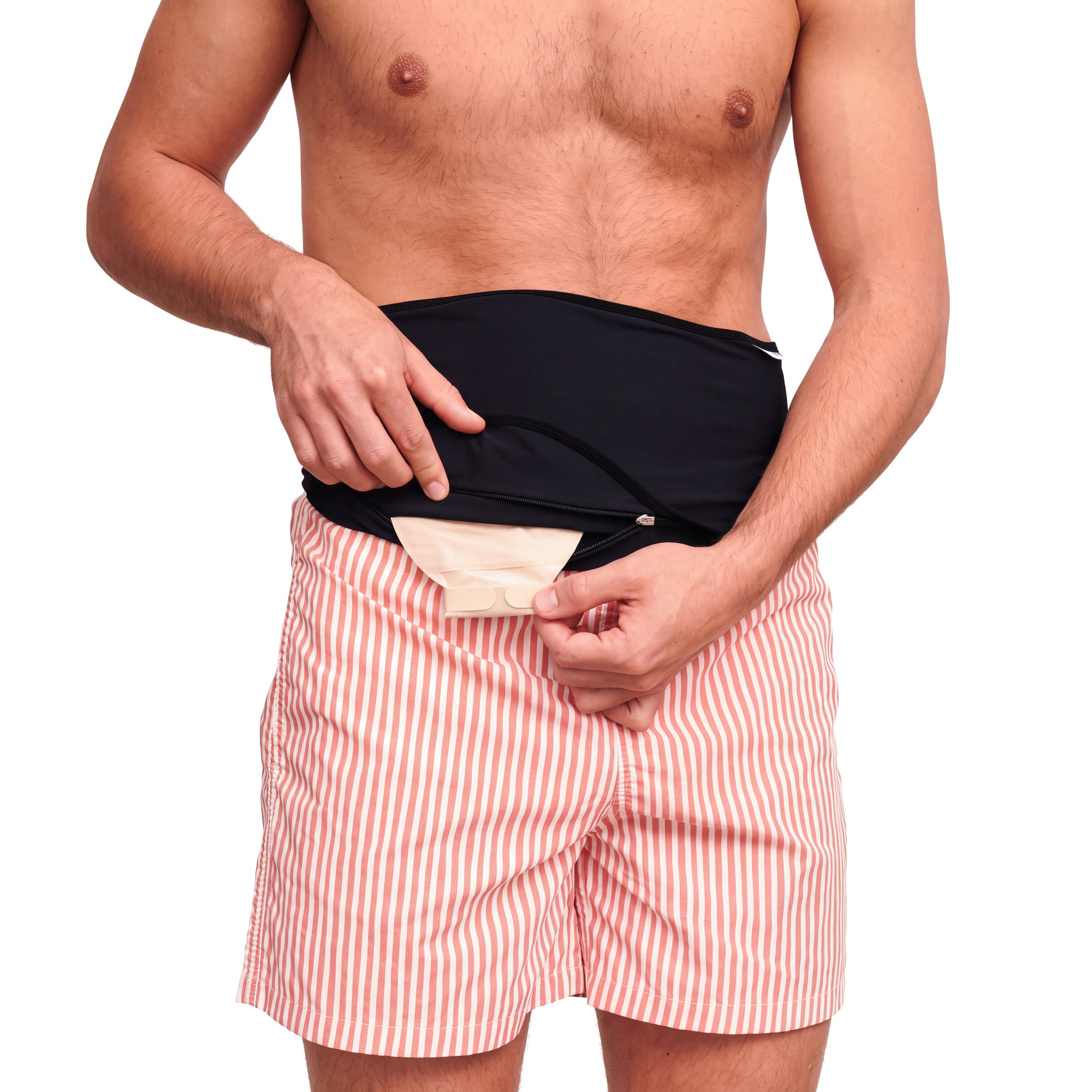
The right stoma belt depends on the kind of support you need. A diagnosis, a new bulge or discomfort needs individual assessment. Use the following information to prepare questions for your stoma nurse rather than to choose a clinical support level yourself.
A stoma belt for hernia, on this page, is the wide band. The pouch sits in the pocket. The band holds it flat against the body, under a shirt or a dress, through a day of sitting and walking. People look for this heading when they want that pouch supported around the stoma instead of hanging from the waist. The product is the same belt: beige, navy blue or black, seven sizes from XS to 3XL, measured at the stoma.
Read the line already above this one and keep it. A stoma belt for hernia is not a diagnosis, and it is not a level of clinical support you pick from a product page. A stoma nurse is the right person to ask what you should wear. Use the sizes, the colours and the way the band sits to have that conversation. Do not use them to invent a medical grade for yourself.
What you can see for yourself is ordinary wear. Does the stoma belt for hernia stay flat when you sit? Does the pocket keep the pouch from swinging under your clothes? Does the size you measured at the stoma stay put on a walk, or does the band roll? Those are the same checks as for any other heading on this page. The belt either sits like clothing or it does not.
Wear it as that clothing if it is the belt you and your nurse are happy with. One band for the day, the same pocket, the same three colours. A stoma belt for hernia that lives in a drawer does nothing. The one that is fastened, flat, and forgotten under a shirt is the one this section is describing. The paragraphs under this heading go further into support and into the time after surgery. They do not replace a person who knows your stoma.
Between those conversations, the practical facts stay small. Measure at the stoma. Choose beige, navy or black for the clothes you wear. Put the pouch in the pocket. See whether a stoma belt for hernia still lies flat at the end of a day, when the pouch is heavier than it was at breakfast. That is as far as a page can take you. The nurse takes it the rest of the way. The belt, if you wear it, is the wide one already on this page, the same band as the rest of these headings, not a second product with a louder name.
Stoma belt for hernia support
Stoma belt for hernia support. The SIIL Stoma Belt for hernia delivers targeted compression around the stoma site that supports the abdominal wall and is designed with up to 75% lower parastomal hernia risk after stoma surgery. Stoma nurses recommend wearing a supportive belt during all physical activity (lifting, sport, manual work) for at least the first 12 months post-op, and continuing on high-risk days afterwards.
Stoma belt for a parastomal hernia
Stoma belt for a parastomal hernia. Parastomal hernia is one of the most common long-term complications after stoma surgery, affecting up to 50% of ostomates within five years. A wide-band stoma support belt is the most-recommended preventive measure by stoma care nurses, particularly during the first 6–12 months after surgery (the peak hernia-risk window) and during heavy lifting or sport.
The SIIL belt’s targeted-compression band sits across the parastomal area without pressing the stoma itself, supporting the abdominal wall during normal movement, lifting and exhalation. Worn consistently it is associated with up to 75% lower hernia progression in at-risk users.
The SIIL Stoma Belt is recommended by stoma care nurses at NHS trusts across the United Kingdom, and is supported by Stoma UK, Colostomy UK, the Ileostomy and Internal Pouch Association (IA) and the Urostomy Association. All SIIL belts are made from hypoallergenic materials and tested with appliances from every major brand.
Discuss a stoma belt with your care team if you are recovering from surgery or have been advised to wear a specific support garment. The following existing guidance can help you identify what to ask about when reviewing the fit and intended use.
If you are considering a stoma belt because of a hernia or recovery from surgery, start with individual advice from your stoma care team. Different support garments have different designs and purposes. Explain what you need for your everyday activities and ask which type is appropriate. The product description can help you discuss the design, but it does not determine your personal support needs.
A stoma support belt can give gentle, adjustable support around the abdomen, and some people look for a parastomal hernia belt after surgery. The SIIL Stoma Belt is designed to give light, adjustable compression around your waist, and its soft fabric is comfortable enough to wear for hours. Your stoma care nurse is the best person to tell you when to start wearing a belt and how much support is right for you, so talk to them about the belt before you order.
Stoma belt after surgery
In the weeks and months after surgery, everyday movement such as lifting a shopping bag, getting out of a chair or coughing can make you more aware of your abdomen. A stoma belt after surgery gives you something comfortable and adjustable to lean on, and the 7 sizes (XS to 3XL) help you find a fit that works for you. Because the VELCRO® fastening is fully adjustable, you can loosen the belt when you are resting and make it a little firmer for walking or lifting. Follow the advice of your own surgical team and nurse.
Ileostomy Belt
An ileostomy belt holds an ileostomy pouch and leaves a side opening, so you can empty it without taking the belt off.
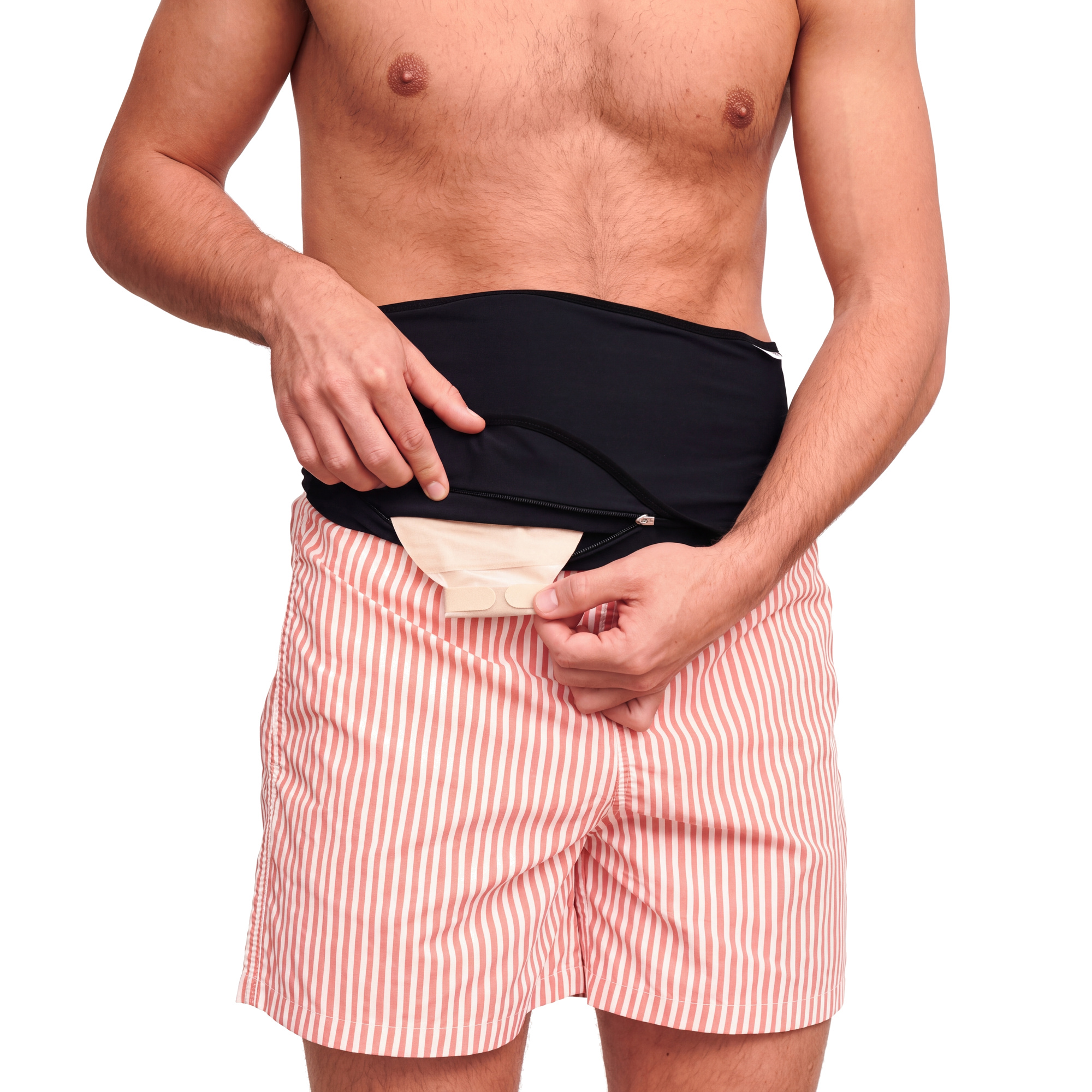
An ileostomy belt is essential for ileostomates because output is more liquid and frequent than colostomy, increasing leak risk and skin irritation. The SIIL Stoma Belt's reinforced leak-barrier construction and zipper-access pouch pocket make pouch emptying easier without removing the belt, whilst the antibacterial silver-thread lining suppresses odour and prevents skin breakdown.
For an ileostomy, access to the pouch is a useful consideration when choosing a stoma belt. Compare the pocket and opening with the way you normally empty your pouch. The fit should allow you to follow your established care routine.
Ileostomy support belt
The SIIL Ileostomy support belt provides core support for ileostomates recovering from surgery, when the abdominal wall is most vulnerable to parastomal hernia. The wide adjustable VELCRO® band distributes pressure evenly across the surgical site without rubbing on the stoma, and the soft antibacterial lining is gentle on healing skin during the first 4–6 weeks post-op when stoma nurses most strongly recommend belt use.
An ileostomy belt works the same way as a colostomy belt but the pouch must be emptied more frequently — typically 6–8 times in 24 hours. The SIIL belt’s side zipper opens directly over the pouch outlet, so you can empty into the toilet without removing the belt. Ileostomates also benefit from the wide-band compression during high-output episodes.
Ileostomy belt with a side opening
Ileostomy belt with a side opening. If you have an ileostomy you empty your pouch more often, so an ileostomy belt needs to make that easy. The SIIL belt has a reinforced YKK side zip with both-side access: open the zip, reach your pouch, empty it into the toilet, then close the pouch and the zip. The belt can stay on throughout. The quick-dry, hypoallergenic fabric is made for all-day wear against your skin, and the inner pocket helps stop the pouch flopping forward as it fills.
Urostomy Belt
A urostomy belt holds a urostomy pouch in the same pocket, flat under clothes.

Urostomy belt pocket
Urostomy belt pocket. The SIIL belt also works as a urostomy belt. The internal pocket accommodates standard urostomy pouches with a bottom drainage tap, and the bottom-edge cut allows the tap to remain accessible for connection to a night bag.
Stoma Belt for Sleeping
A stoma belt for sleeping holds the pouch flat at night, so you are not lying on a loose bag.
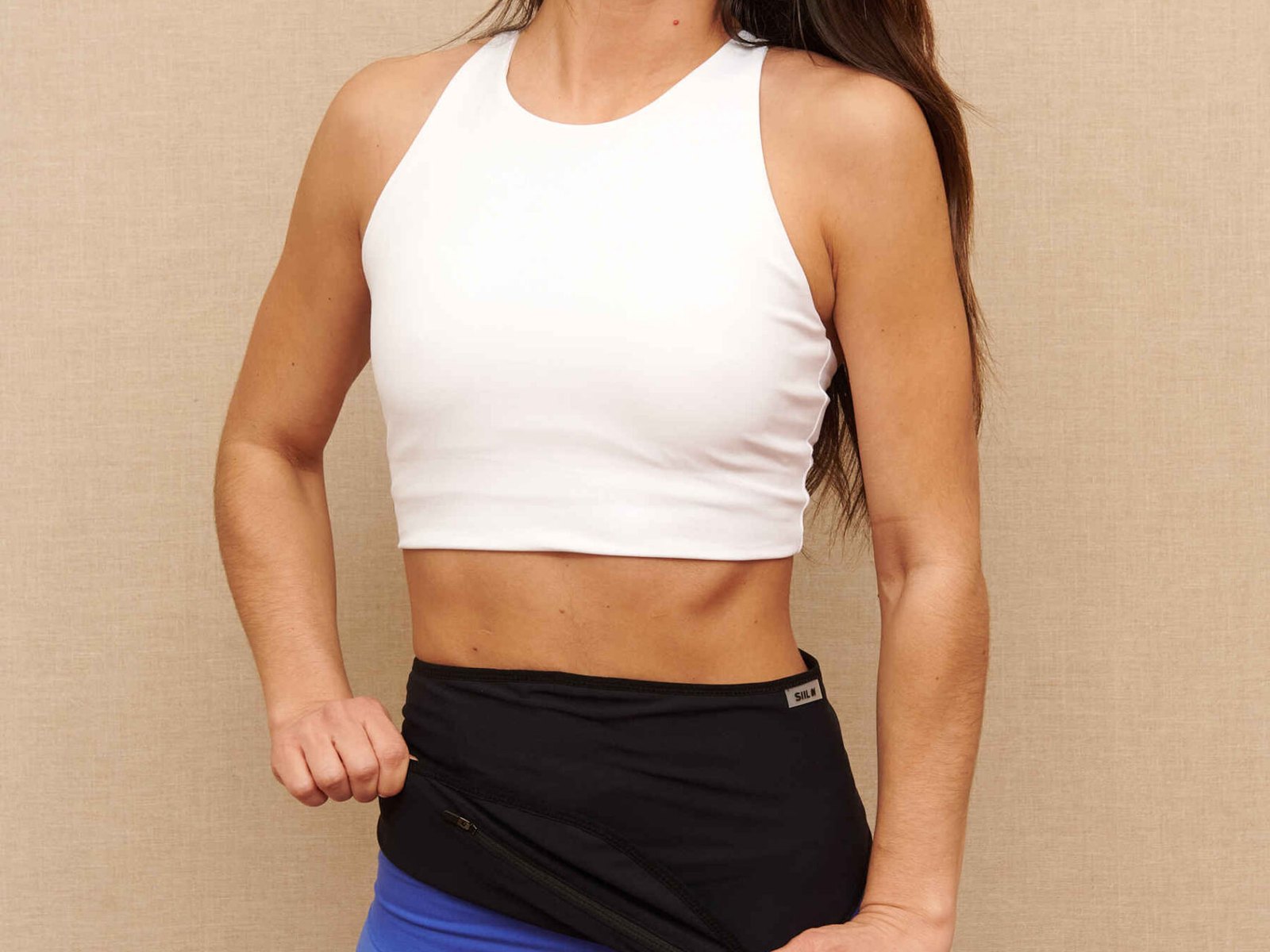
How you use a stoma belt varies across the day. Review comfort and access in the situations that matter to you, and follow individual advice about overnight wear or activity after surgery. The details below cover several common routines.
Nights are easier with a stoma belt for sleeping that is soft and does not dig in. The SIIL belt’s soft fabric and inner pouch pocket hold your pouch in place without relying on your pyjama or trouser waistband, so it stays flat whether you sleep on your back, side or front. Loosen the VELCRO® fastening for a relaxed fit in bed, and tighten it again in the morning. One verified reviewer reported sleeping through from the first night because the bag stayed flat under pyjamas.
Stoma Belt for night use
Stoma Belt for night use. SIIL offers a dedicated stoma belt approach for night use, designed to cater to the specific requirements of nighttime stoma care. The material is chosen with sensitivity in mind — soft and gentle against the skin to prevent irritation during the night, when skin can be more sensitive. The adjustable VELCRO® fastener allows you to find the perfect fit for your body — essential for the pouch staying secure throughout the night regardless of sleeping position, preventing displacement or leakage.
Stoma belt at night
Stoma belt at night. Yes. Many customers wear their stoma belt at night because the soft fabric and inner pouch pocket hold the pouch without relying on a waistband. Loosen the VELCRO® fastening a little for a relaxed fit in bed and tighten it again in the morning. If you are unsure, ask your stoma care nurse what suits you.
Stoma Belt for Exercise
A stoma belt for exercise moves with you in the gym, on a run or in yoga, and keeps the pouch from pulling away.

A stoma belt should feel comfortable through the movements involved in your activity. Check fit and pouch access before trying a new routine, and follow individual advice about returning to exercise after surgery.
A stoma belt for exercise is a key accessory for anyone with a stoma who wants to stay active whilst keeping their pouch secure and comfortable. Physical movement during workouts — jogging, strength training, yoga, walking — can cause the stoma pouch to shift, leading to discomfort or leaks. SIIL's belt offers firm support, keeping the pouch flat and stable against your body. Made of breathable, stretchable, sweat-wicking material, it moves with you and protects the stoma area from impact and friction.
Stoma belt for sports
A stoma belt for sports is a must-have for anyone with a stoma who wants to stay active, safe, and confident during physical activities. Whether running, cycling, lifting weights, or practising yoga, movement can cause the pouch to shift or tug at the skin. SIIL Stoma Belt provides strong yet comfortable support that moves with your body — breathable, stretchable fabric that wicks away sweat and stays secure even during intense workouts. The snug pocket holds the pouch flat against your body, so it stays discreet and doesn't bounce or shift.
Stoma belt for the gym
For training, a stoma belt for the gym should move with you instead of against you. The SIIL belt is stretchy and breathable, with an inner pocket that holds the pouch flat during running, weights, cycling or yoga, and an adjustable fastening so you can set the support level for each session.

Stoma Belt Size
The stoma belt size is your measurement around the middle at the stoma, from XS to 3XL.

Measure for your stoma belt using the location and method in the size guide. Compare the measurement with the chart rather than relying on trouser size. If you are between sizes, ask for help with the specific measurements and pouch position.
Stoma belt size guide
Stoma belt size guide. Use the stoma belt size guide to compare your measurement at stoma level with the available sizes from XS to 3XL. Do not assume that your usual trouser size gives the same fit. The measurement instructions and chart below belong together: check both before selecting a size. If you are between sizes, ask for help with your actual measurement and pouch position.
The stoma belt size you need depends on your waist measured at the level of your stoma. The SIIL Stoma Belt comes in 7 sizes, XS to 3XL, covering waists from 55 to 140 cm (about 21.7 to 55.1 inches), and the same belt suits men and women. The adjustable VELCRO® fastening gives you full control over how snug the belt sits, so you can loosen it for sleep and tighten it for sport.
SIIL Stoma Belt size guide (waist at stoma level)| Size | Waist (cm) | Waist (inches) | Best for |
|---|
| XS | 55–75 | 21.7–29.5 | Petite frames, post-op recovery |
| S | 75–87 | 29.5–34.3 | Slim build |
| M | 88–97 | 34.6–38.2 | Average build, most common |
| L | 98–108 | 38.6–42.5 | Curvier, sturdy build |
| XL | 109–118 | 42.9–46.5 | Plus size |
| XXL | 119–129 | 46.9–50.8 | Extended plus |
| 3XL | 130–140 | 51.2–55.1 | Extra-extended, large frames |
How to measure for a stoma belt
How to measure for a stoma belt. To measure for a stoma belt, wrap a soft tape measure around your waist at the level of your stoma, over light clothing, with the tape level and comfortable rather than pulled tight. Note the figure in centimetres or inches and match it to the size guide above. For a snug but breathable fit, allow an extra 2–4 cm (1–1.5 inches), and remember the adjustable fastening lets you fine-tune the fit once the belt is on. Measure again if your weight changes after surgery, because the right stoma belt size can change as you recover.
A stoma belt needs both a suitable circumference and enough room for your pouch. These sections bring the sizing overview together with everyday pouch considerations. Recheck the fit if your pouch model or body measurements change.
Measure your waist (cm) at the level of the stoma over light clothing. Between sizes, choose the smaller — the VELCRO® opens up to 4 cm, and the gentle compression is what supports the stoma. Sizes: XS 55–75 cm · S 75–87 · M 88–97 · L 98–108 · XL 109–118 · XXL 119–129 · 3XL 130–140 cm.
A stoma belt should feel snug but comfortable and never painful, so you can breathe, sit and move freely. Measure at stoma level, choose your size from the guide above, and use the adjustable fastening to find the right tension for the activity you are doing.
Stoma Belt Colours
The stoma belt colours are beige, navy blue and black.

Compare the beige, navy blue and black stoma belt options against the clothes you wear most often. Lighter or darker colours may suit different outfits, and the product photographs help show the choices. Check the available colour and size together on the ordering controls. Colour is a wardrobe preference; the correct measurement and comfortable fit remain the practical starting points.
Pair your stoma belt with clothing that feels comfortable around the pouch. Compare colours against your usual wardrobe and decide whether you prefer a belt, a wrap or another garment for a particular outfit.
Which stoma belt colour to choose
Which stoma belt colour to choose. Choosing a stoma belt colour comes down to what you wear most. Beige sits discreetly under white, cream and light clothing, navy blue suits casual outfits and denim, and black is the natural choice under dark trousers, suits and evening wear. The SIIL stoma belts come in all three colours and in 7 sizes, and the same belt is made for men and women. Most SIIL UK customers start with the beige belt for everyday discretion, then add a navy or black one for sport and evening wear.

A stoma belt is one possible layer in your wardrobe, alongside wraps, pouch covers and specialist underwear. You may prefer different items for different outfits rather than wearing every layer at once. Compare how each garment sits with your pouch and whether it remains easy to access. The linked collections below let you explore the individual designs and their own size information.
Stoma Belt UK
A stoma belt UK order comes from the UK shop, in the size and colour you choose, in plain packaging.
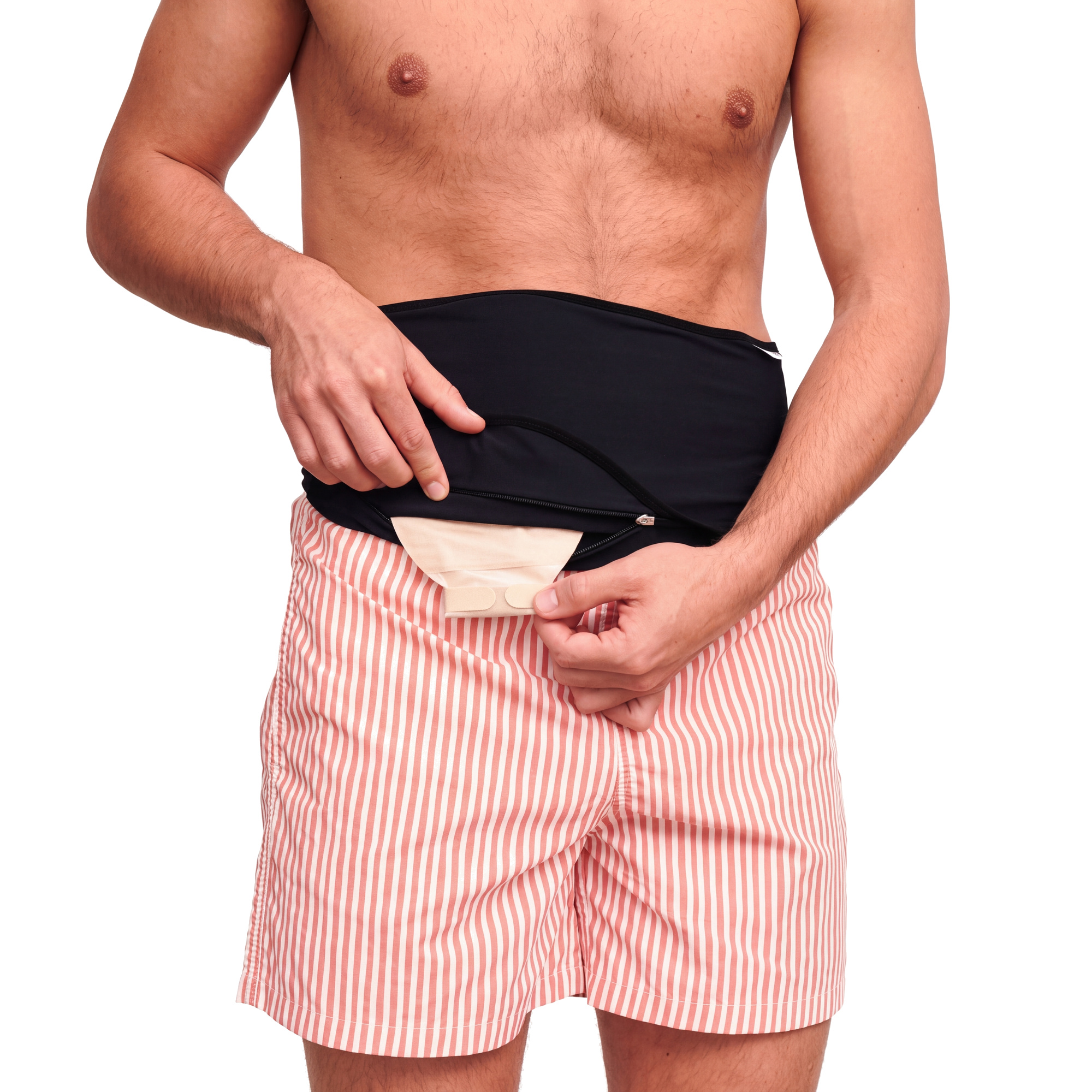
Use this stoma belt buying guide to compare the design, fit and intended use. Check the selected size and colour on the product options before ordering, and use your own pouching routine to decide which features matter most.
Before buying a stoma belt, confirm your size, preferred colour and delivery address. The live product options and checkout show current availability and order totals. Keep the returns information with your order so you can check the conditions if the fit needs reviewing.
Buy a stoma belt in the UK
Buy a stoma belt in the UK. If you are ready to buy a stoma belt, the SIIL Stoma Belt is available online for £72.99 with free UK delivery on orders over £100. Orders ship within 24 hours and arrive in 2–4 working days, in plain, discreet packaging that never gives away what is inside. Every belt comes with 30-day returns (subject to the return conditions), so you can try your stoma belt on carefully when it arrives and ask for an exchange if the fit is not quite right. It is the stoma belt that more than 12,000 ostomates wear every day, rated 4.8★ from 8,248 reviews, made for men and women with a colostomy, ileostomy or urostomy.
A stoma belt UK buyer wants three things: a fair price, quick delivery and an easy way back if it does not fit. The SIIL Stoma Belt costs £72.99, delivery is free over £100, and you have 30 days from delivery to request an exchange or return under the return conditions. Two belts come to more than £100, so if you order one in beige for everyday wear and a second in navy blue or black for sport, swimming and evenings out, delivery is free. Each belt is built the same way: an inner pouch pocket, an adjustable VELCRO® fastening and a side zip for emptying your pouch.
You can buy a stoma belt online from SIIL Ostomy and have it delivered straight to your door anywhere in the United Kingdom, England, Scotland, Wales and Northern Ireland included. Choose your colour, pick your size from XS to 3XL using the size guide, add the belt to your bag and check out. The parcel arrives in a plain box, so your privacy comes first, and your order ships within 24 hours. If you would like help choosing between sizes, the interactive size finder on this page can help you pick the right belt.
Your stoma belt order should reflect the selected size, colour and UK delivery address. Review the current checkout information before completing the purchase. The existing FAQ and delivery sections below explain the points to check.
Before placing a UK order, compare the stoma belt size guide with your measurement and confirm the selected colour and delivery address. Product availability and the checkout total can change, so use the live ordering information when buying. Keep the order confirmation and review the returns conditions if you need to check fit. Questions about personal clinical support should be discussed with your stoma care team.
Stoma belt UK delivery
Stoma belt UK delivery. Orders ship within 24 hours and arrive in 2–4 working days, with free UK delivery over £100 and plain, discreet packaging. You have 30 days from delivery to request an exchange or return, subject to the return conditions.


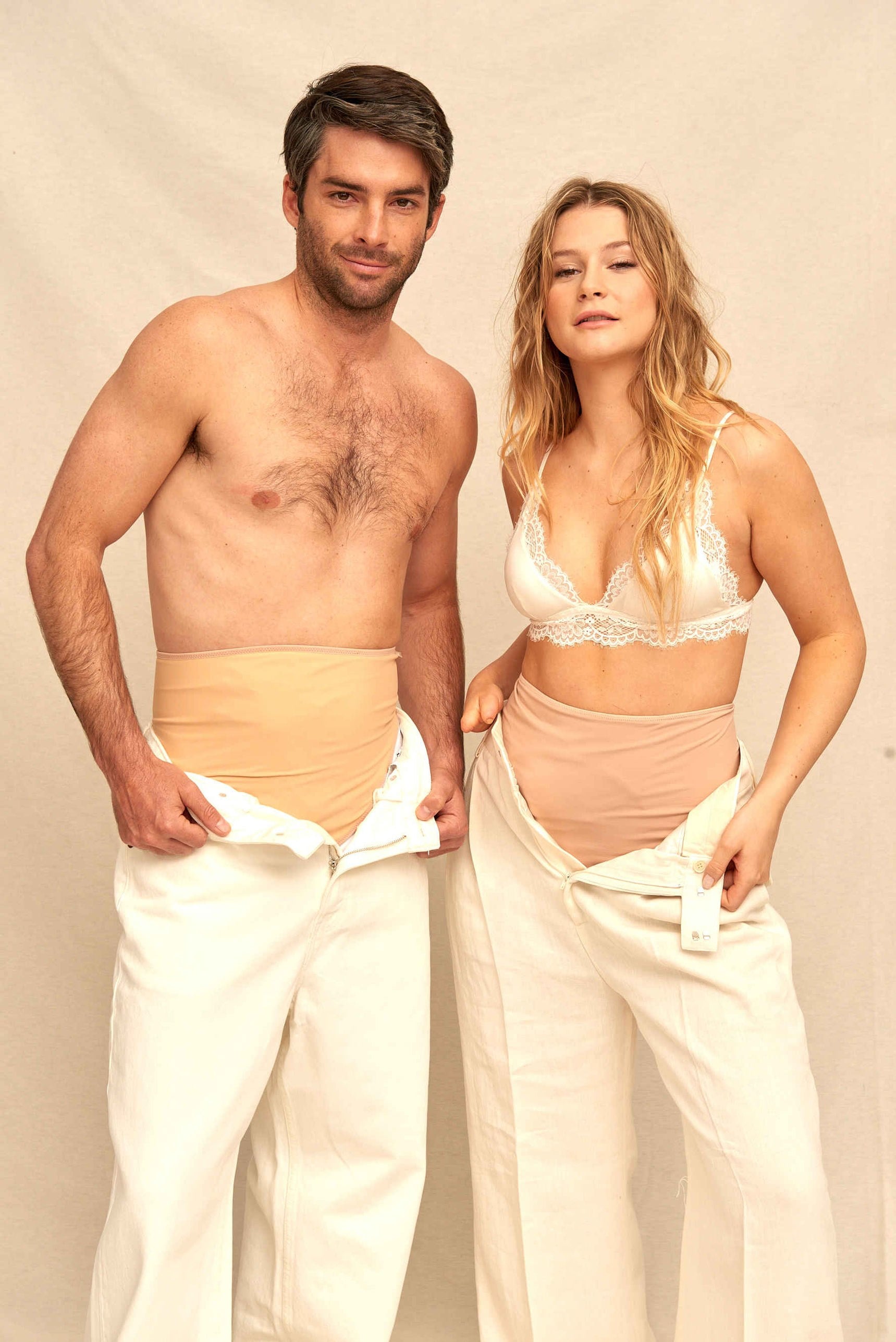




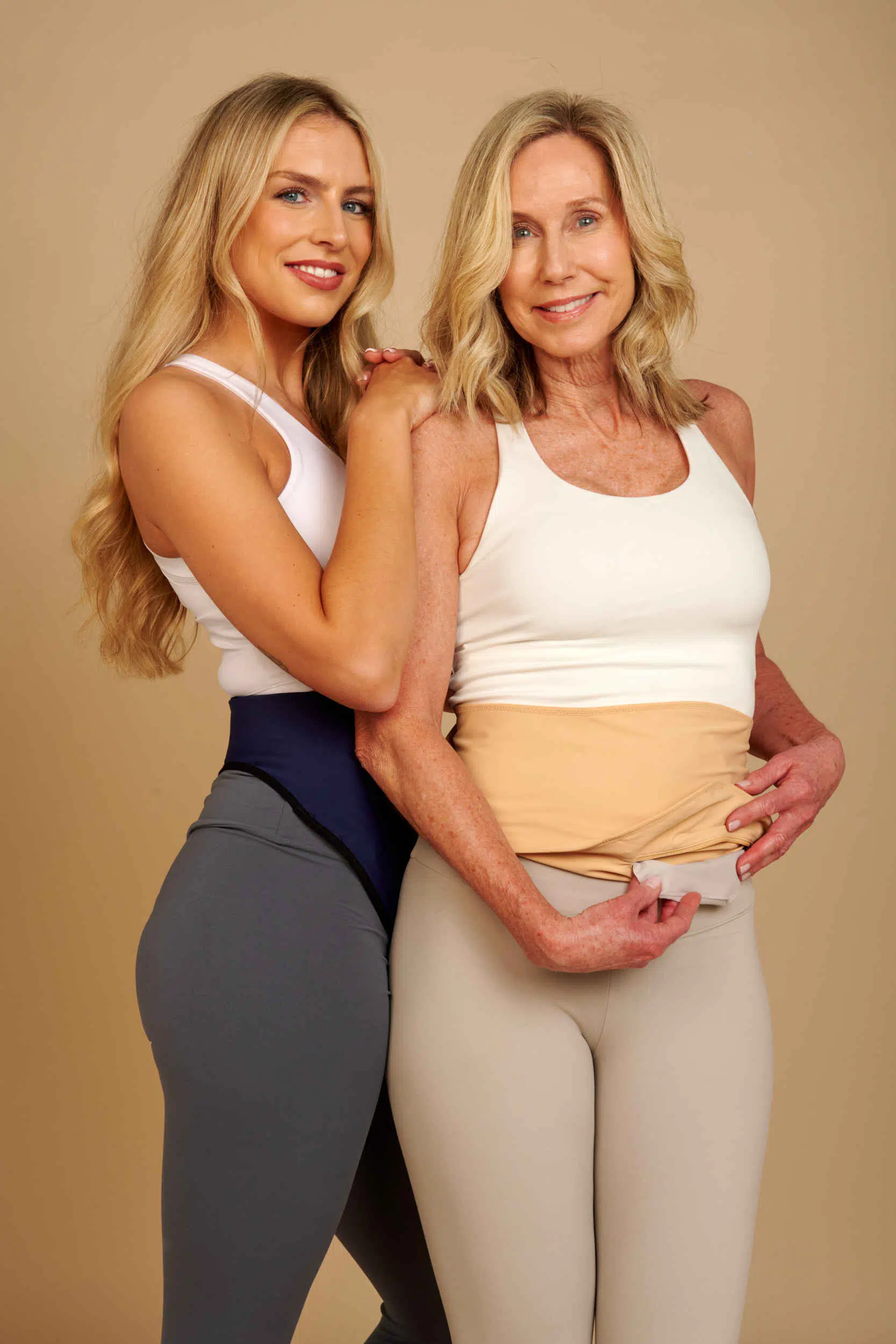












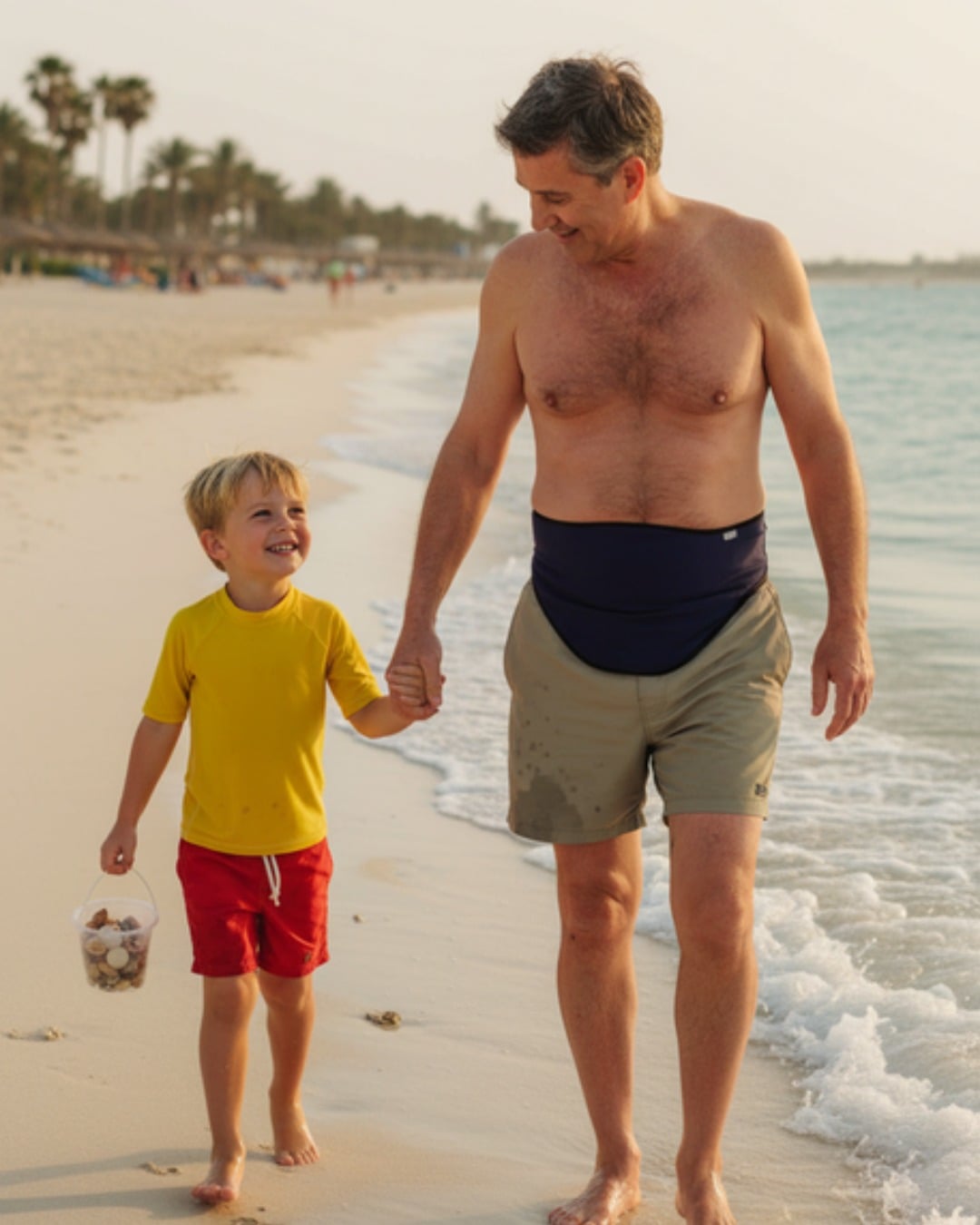


 Reed · weekend on the coast
 Amara · gym · daily training
 Sea, sun, no checking
 Tara · Friday night out
 Bodycon, no bulge