

 ES
ES EN
EN GB
GB DE
DE FR
FRNo products in the basket.
Stoma Bag Ballooning – UK
Stoma bag ballooning happens when excess gas builds up inside the stoma bag, causing it to inflate and become uncomfortable. This can be worrying for people with a stoma, especially at night when movement is limited.
A common reason for stoma bag ballooning is swallowing air while eating or drinking. Certain foods, like beans, fizzy drinks and onions, can also increase gas production. Learning which foods trigger more gas can help reduce the problem.
Using stoma bags with filters can prevent stoma bag ballooning, as they allow gas to escape without odor. Some people also choose to “burp” their bag carefully to release the air. Good pouch management and the right products are key to avoiding ballooning.
Lifestyle adjustments also play a role in reducing stoma bag ballooning. Eating slowly, avoiding chewing gum and quitting smoking can help limit excess gas. With proper care, ballooning can be managed and confidence restored.
Try eating slowly
The speed at which you eat can really impact on the amount of air we swallow. Eating slowly can benefit those with a stoma and can prevent us from swallowing less air, resulting in less bloating and less ballooning of your stoma bag.
Eating slowly also has other health benefits, such as allowing the brain to tell our bodies that we are full. If we eat too quickly, we may overindulge before we have had the chance to experience the sensation of being full.
What is important is the simple fact that when you eat quickly you swallow more air. The air that is swallowed goes into your digestive tract and causes bloating – and as a result comes out as extra gas, causing stoma bag ballooning.
For more diet and nutrition advice for ostomates, visit our handy stoma care advice centre.
Stoma Bag Ballooning: Causes, Prevention and Solutions

Stoma bag ballooning: causes, prevention and solutions is an important topic for anyone living with a stoma. Ballooning occurs when gas collects inside the bag, making it inflate and sometimes feel uncomfortable. This can interrupt sleep, affect confidence and create stress in daily life.
One of the main causes of stoma bag ballooning is diet. Foods like beans, onions, cabbage and fizzy drinks increase gas production. Swallowing air while eating too quickly or drinking through a straw also adds to the problem.
For prevention of stoma bag ballooning, choosing pouches with built-in filters can help release gas slowly and reduce odor. Eating smaller meals, chewing food properly and avoiding carbonated drinks also lower the chances of ballooning.
When ballooning still happens, there are practical solutions to stoma bag ballooning. Some people “burp” their bag safely to release air, while others switch to a different pouching system. Speaking to a stoma nurse ensures the best product choice and lifestyle tips.
Stoma Bag Ballooning at Night
 Stoma BeltHernia support & leak prevention. Trusted by 50,000+ ostomates worldwide.Discover →
Stoma bag ballooning at night is a frequent issue because your digestive system continues to produce gas while you sleep. This gas collects in the pouch, causing it to inflate, which may disturb your rest or even lead to leaks.
Avoiding foods that create gas in the evening, such as fizzy drinks, beans, and cruciferous vegetables, can help reduce ballooning overnight. Emptying your pouch before bed and using an ostomy bag with a reliable filter will also keep you more comfortable.
Best Sleeping Positions for Stoma Patients
Side-sleeping or lying slightly elevated can ease ballooning. Avoid lying face down, as it may increase pressure on the bag.
Foods to Avoid Before Bed for Ostomates
Common evening culprits include onions, cabbage, and carbonated beverages. Keeping a food diary can help you spot your personal triggers.
Free guide · A gift from SIIL
The SIIL Ostomy Diet Guide — yours, free
Practical information on food and hydration for everyday life with a stoma.
Prefer it as a PDF in your inbox? Get it by email.
How to Stop Stoma Bag Ballooning
How to stop stoma bag ballooning is a common concern for people living with a stoma. Ballooning happens when gas builds up inside the pouch, causing it to expand and sometimes feel uncomfortable. It can be managed with a few simple changes in diet, lifestyle and pouching habits.
One way to manage gas is through diet. If you want to know how to stop stoma bag ballooning, start by limiting foods like beans, onions, cabbage and fizzy drinks. These foods create more gas in the digestive system.
Another helpful step in learning how to stop stoma bag ballooning is to use stoma bags with filters. These filters allow gas to escape slowly while keeping odor under control. Burping the bag safely can also be a quick solution if ballooning occurs.
Lifestyle changes are just as important. To understand how to stop stoma bag ballooning, try eating slowly, avoid chewing gum and stop smoking. These small habits reduce the amount of air swallowed and help keep ballooning under control.
Learning how to stop stoma bag ballooning requires identifying what’s causing excess air. The most common reasons are gas-producing foods, swallowing air, or having a pouch without a good filter.
Solutions include choosing a pouch with an effective filter, chewing food thoroughly, eating smaller meals, and avoiding chewing gum or drinking with straws.
Ballooning and Pancaking
Ballooning occurs when air inflates the pouch, while pancaking happens when stool sticks around the stoma and doesn’t drop into the bag. Both can lead to leaks.
👉 Read more about: What is Ostomy Pancaking?
The Role of Ostomy Filters
Filters are designed to release gas gradually. If blocked, ballooning worsens. Make sure the filter cover is removed after showers.
Ostomates Daily Habits
Eating slowly, staying hydrated, and releasing gas regularly throughout the day are simple yet effective ways to reduce ballooning.
How to Stop Stoma Bag Filling with Air
How to stop stoma bag filling with air is a frequent question among people with a stoma. When too much gas builds up, the bag inflates and causes discomfort or worry. Understanding the triggers and using the right techniques can greatly reduce this problem.
Diet plays a key role in controlling gas. To learn how to stop stoma bag filling with air, avoid foods like beans, onions, cabbage and fizzy drinks. Chewing food slowly and thoroughly also reduces swallowed air.
Choosing the right pouching system is another solution. If you want to know how to stop stoma bag filling with air, try using bags with built-in filters. These filters release gas without odor and help prevent ballooning. Burping the bag safely is another quick fix.
Lifestyle adjustments are equally important. The best approach for how to stop stoma bag filling with air includes not chewing gum, avoiding straws and quitting smoking. These small steps prevent unnecessary air intake and improve comfort.
If your stoma bag keeps filling with air, it may be due to swallowed air, fizzy drinks, or high-fibre foods. Eating mindfully and avoiding chewing gum can significantly reduce this.
Chewing and Swallowing Air
Chewing gum, drinking through straws, or eating too fast increases swallowed air, which then collects in your bag.
Using Ostomy Drops and Deodorants
Drops and deodorants not only help with odour but can also break down gas, making ballooning less noticeable.
Colostomy Bag with Gas Release Valve
A colostomy bag with gas release valve is designed for discreet air release. This feature allows you to control gas buildup without fully emptying your pouch.
Advantages of Gas Release Valves
They are especially helpful at night or in public settings, giving you more confidence and comfort.
Where to Find Bags with Gas Valves

Knowing where to find bags with gas valves is essential for people who struggle with ballooning. These bags have special filters or valves that release gas slowly, reducing discomfort and odor. They can make a big difference in confidence and daily comfort.
The easiest place to look when searching where to find bags with gas valves is through stoma supply companies. Many medical suppliers online offer different pouching systems with built-in valves to manage gas.
Pharmacies and local medical equipment stores are also good options. If you’re unsure where to find bags with gas valves, asking a stoma nurse can help. Nurses often recommend trusted brands and suppliers tailored to your specific needs.
ConvaTec SUR‑FIT Natura Two‑Piece High Output Drainable Pouch — this one features a replaceable filter / anti-reflux valve to help gas escape.
Coloplast SenSura Mio Click Two‑Piece Maxi Drainable Pouch — known for good pouching systems; check specific models for venting options.
Online marketplaces also provide solutions. When exploring where to find bags with gas valves, check verified healthcare websites instead of general shops. This ensures the product is reliable, safe and designed for stoma care.
Ileostomy Gas Relief
People with an ileostomy often deal with more ballooning because of rapid digestion. Gas filters and careful food choices make a big difference.
Ileostomy Gas Relief
A gurgling stomach with stoma is often just digestive activity. However, if gas builds up too quickly, it may contribute to ballooning. Eating at regular times can reduce this.
Hydration and Digestion
Drinking enough water helps digestion and reduces gas buildup, lowering the chances of ballooning.
What to Do If You Run Out of Ostomy Bags
Running out of supplies can be stressful, but solutions are available. Always contact your stoma nurse or supplier first. Pharmacies may also offer emergency bags.
If no supplies are available right away, an important part of what to do if you run out of ostomy bags is to protect the stoma. You can use clean, non-adhesive dressings, gauze or plastic wrap as a temporary solution until proper bags are obtained.
Ostomy Emergency Supply Options
One of the most reliable ostomy emergency supply options is your local pharmacy or hospital. Many carry basic stoma bags and accessories or can quickly order them. Asking your stoma nurse for nearby resources is also a good idea.
Community resources can help too. Support groups and stoma associations often share advice on the best ostomy emergency supply options in your area. They may even have extra pouches available for those in urgent need.
Tips for Travelling with a Stoma
Always carry extra supplies in your hand luggage when travelling. This ensures you won’t be caught without a pouch.
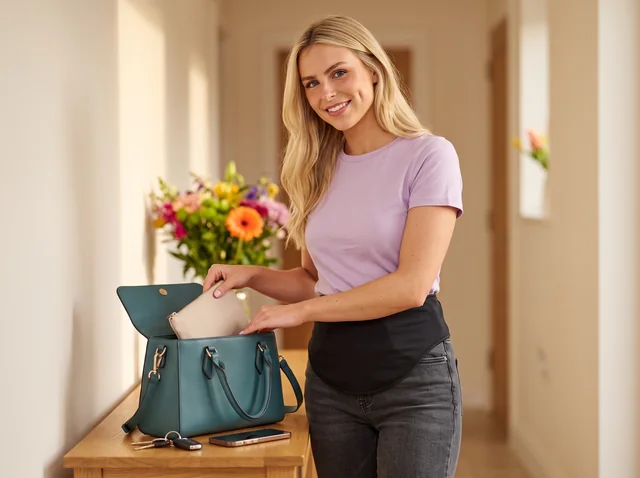
Learn more how to travel with stoma bag.
Stoma Bag Filter Cover
A stoma bag filter cover is a small but very useful accessory for anyone with a stoma. Its main role is to protect the filter from getting wet, which can happen during bathing, showering or swimming. When the filter is blocked by water, it can no longer release gas properly, leading to ballooning and discomfort.
Using a stoma bag filter cover ensures that your pouch keeps working as intended. It sticks over the filter area, keeping water out while still allowing the bag to function normally once removed. Many stoma supplies include these covers, and they are easy to replace after each wash or swim.
For people who enjoy swimming or staying active, a stoma bag filter cover adds extra confidence. It allows you to participate in water activities without worrying about your pouch filter failing. Having a supply of covers ready at home makes pouch management more comfortable and stress-free.
A stoma bag filter cover is a small but vital accessory. It prevents water from blocking the filter during bathing or swimming.
When to Use the Filter Cover
Use covers before showering or swimming. Remove them after, so the filter can function normally.
Preventing Moisture Blockage Stoma
If the filter gets wet, air won’t escape, which causes ballooning. Keeping spare covers helps you stay prepared.
Why Does My Stoma Bag Fill Up So Quickly?
Why does my stoma bag fill up so quickly is a question many people ask when they notice frequent ballooning or rapid filling. This usually happens when excess gas or output enters the pouch faster than expected, creating discomfort and the need for more frequent changes.
One reason for why does my stoma bag fill up so quickly is diet. Foods such as beans, cabbage, onions and fizzy drinks increase gas in the digestive system. Eating too quickly or drinking through a straw can also cause more swallowed air.
Another factor in why does my stoma bag fill up so quickly is pouch management. If the filter on your stoma bag gets wet or blocked, gas cannot escape, causing the bag to inflate. Replacing filters or using filter covers during bathing can help prevent this.
Medical conditions may also explain why does my stoma bag fill up so quickly. High-output stomas, infections or digestive changes can increase output. If filling happens suddenly or becomes difficult to manage, consulting a stoma nurse or doctor is the safest step.
If you wonder “why does my stoma bag fill up so quickly?”, it may be due to your stoma type or diet. Ileostomy patients usually notice faster filling due to liquid output.
Fast Digestion and Output with an Ileostomy
With an ileostomy, food moves quickly through the gut, which naturally increases output. This isn’t always preventable but can be managed.
Risks of Dehydration with an Ostomy
Faster fluid loss
Salt and electrolyte depletion
Higher risk in hot climates or during long flights
Signs You’re Not Drinking Enough
Dark urine or decreased urine output
Dizziness, fatigue, or headaches
Increased pouch output with watery consistency
The Role of Electrolytes
Plain water alone may not be enough. Drinks with sodium and potassium—like oral rehydration solutions (ORS), coconut water, or electrolyte packets—can help your body retain fluids better.
Identifying gas-producing foods for ostomy
Identifying gas-producing foods for ostomy is an important step in reducing ballooning and discomfort. Gas forms naturally in the digestive system, but certain foods make it worse, leading to a stoma bag filling up quickly. Recognizing these triggers helps with better pouch management.
Common items when identifying gas-producing foods for ostomy include beans, lentils, cabbage, broccoli, cauliflower, onions and fizzy drinks. These foods increase gas, and in some cases, chewing gum or drinking through a straw can also add excess air.
Keeping a food diary is one of the best ways for identifying gas-producing foods for ostomy. By tracking meals and noting when ballooning occurs, you can see which items affect your body the most. Everyone reacts differently, so personal observation is key.
Practical adjustments also help when identifying gas-producing foods for ostomy. You don’t always have to remove these foods completely. Instead, limit portions, eat slowly and chew well to reduce the amount of gas released into the stoma bag.
Cabbage, beans, onions, and carbonated drinks often increase gas production. Limiting these can help reduce ballooning.
Understanding Output After an Ostomy
Ileostomy
Usually produces liquid to semi-formed stool, with higher fluid loss.
Output tends to be more formed, with less risk of dehydration
Colostomy
Output tends to be more formed, with less risk of dehydration.
Urostomy
Continuous urine output increases the need for consistent hydration.
Normal vs. High Output
Normal: predictable and manageable frequency.
High output: frequent, watery stool (often more than 1.5–2 liters per day) can cause rapid fluid loss and electrolyte imbalance.
Knowing what’s normal for your body helps you recognize when travel, diet, or stress may be causing problems.
FAQ:
Ostomy Bag Ballooning
1. Why does my stoma bag keep ballooning at night?
Ballooning at night usually happens because gas builds up while you’re asleep, and you’re not awake to release it. If the filter clogs with moisture or stool, the gas has no escape. To reduce this, avoid gas-producing foods and fizzy drinks in the evening, and consider bags with charcoal filters that work overnight.
2. Can certain foods make ballooning worse?
Yes. Foods like beans, onions, cabbage, broccoli, fizzy drinks, and chewing gum can all increase gas production. For people with a high output stoma, these foods may cause more frequent ballooning. Keeping a food diary can help you identify your personal triggers.
3. How do I stop ballooning without changing my bag so often?
Yes, your ostomy supplies (pouches, wafers, adhesives, wipes) can safely go through X-ray machines. Always pack them in your carry-on to avoid losing them if your checked luggage is delayed or misplaced.
4. What’s the difference between high output and normal stoma output?
A normal stoma output is usually 500–1000 ml per day, depending on the type of stoma. A high output stoma produces more than 1500–2000 ml per day, often leading to dehydration risks, nutrient loss, and increased ballooning.
5. When should I seek medical advice about ballooning?
See a stoma nurse or doctor if:
Your bag balloons constantly despite dietary changes
You have persistent diarrhea or watery output
The skin around your stoma becomes sore or irritated
You notice sudden changes in stoma function
6. Are there special stoma bags for high output patients?
Yes. Manufacturers offer high output stoma bags with larger capacities and advanced filters designed to handle more liquid and gas. These pouches reduce the risk of leaks and ballooning, making them especially helpful for overnight use.
7. What if I need to change my pouch in a public restroom while traveling?
Bring a travel kit with:
Pre-cut wafers and pouches
Disposal bags
Wipes and barrier sprays
Small hand sanitizer
This makes pouch changes quick and discreet anywhere.
8. How do I handle long road trips or train rides?
Empty your pouch before departure.
Keep supplies in a small travel pouch for quick access.
Use rest stops proactively instead of waiting until urgent.
9. Should I worry about food and drink when traveling?
Yes, try to avoid new foods that may cause gas or diarrhea right before long travel. Stay hydrated, especially in hot climates, since dehydration can affect stoma output.
10. Can I still enjoy international travel with an ostomy?
Definitely! Many ostomy patients travel internationally. Just remember:
Bring extra supplies, since local availability may be limited.
Learn a few basic phrases in the local language (e.g., for asking about restrooms).
Carry your medical note in case of questions at customs or security.
Keep reading
More from the SIIL journal

Living with an Ostomy
Retracted Stoma: What It Is, Why Your Bag Keeps Leaking and What Helps (UK)
A retracted stoma sits level with or below the skin, so bags leak. Causes, how convex flanges, seals and a belt help, and when to …
7 min read

Living with an Ostomy
Barbie Bum Surgery UK: Recovery, Sitting Down and Life With a Permanent Stoma
Barbie bum surgery explained for the UK: what the operation is, why it is done, how the wound heals, sitting down, getting back to…
9 min read

Living with an Ostomy
Stoma Travel Bag: What to Pack in Your Kit (UK)
What goes in a stoma travel bag: the UK kit checklist, how many bags to take, NHS supplies before you go, RADAR key, travel certif…
16 min read
Welcome offer
Join the SIIL family.
Get 20% off your first order.
Stories, tips and exclusive drops — once a month, never spam. Your code lands in your inbox the moment you subscribe.
By subscribing you accept our privacy policy. Unsubscribe in one click, anytime.
Welcome — check your inbox for the code.
£44.99
£72.99
£52.99
£41.99
£122.99
£52.99
£52.99
£39.99
£72.99
£49.99
£72.99
£39.99