

 ES
ES EN
EN GB
GB DE
DE FR
FRNo products in the basket.
Flying with a Colostomy Bag: Worry-Free Travel with a Stoma Bag – UK
Flying with a colostomy bag might seem overwhelming, but with the right preparation, you can enjoy a smooth and stress-free journey. Whether you’re traveling for business or pleasure, understanding how to handle airport security, cabin pressure, and ostomy care mid-flight will give you the confidence to fly without worries.
How to Prepare for Flying with a Colostomy Bag
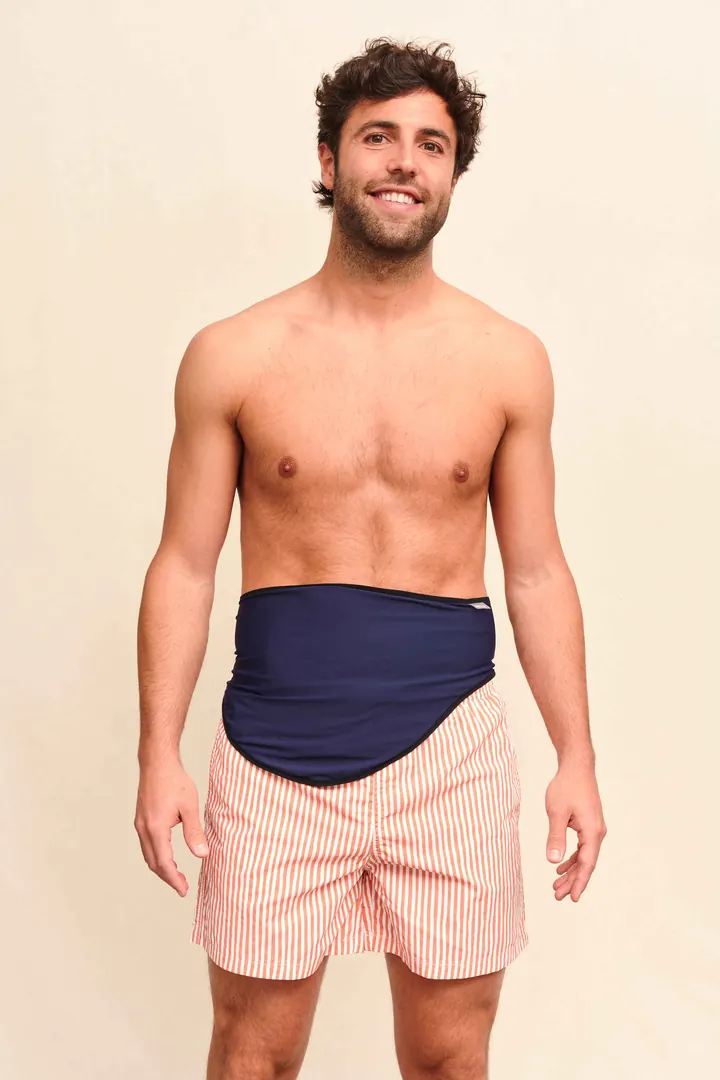 Stoma BeltHernia support & leak prevention. Trusted by 50,000+ ostomates worldwide.Discover →
1. Pack Smart – Bring Extra Ostomy Supplies
✔ Carry twice the amount of ostomy bags, skin barriers, and accessories you’d normally need.
✔ Divide supplies between your carry-on and checked luggage in case of lost baggage.
✔ Include stoma powder, barrier rings, wipes, disposal bags, and a small travel mirror for easy application.
2. Get Through Airport Security with Ease
✔ TSA and airport security cannot ask you to remove your colostomy bag.
✔ Carry a medical travel certificate (available from your doctor or ostomy associations) to explain your condition.
✔ Request a private screening if you prefer extra discretion during security checks.
3. Prevent Ostomy Bag Ballooning Mid-Flight
✔ Cabin pressure changes can cause gas buildup (ballooning). To reduce this:
- Use a filtered ostomy pouch to release gas.
- Empty your colostomy bag before boarding to prevent overfilling.
- Avoid gas-producing foods (carbonated drinks, beans, cruciferous vegetables) before flying.
4. Stay Comfortable on the Plane
✔ Wear loose, breathable clothing to avoid pressure on your stoma.
✔ Keep a small change kit in your carry-on for easy access in case of leaks.
✔ Stay hydrated to prevent dehydration, which can affect digestion.
5. Plan for Bathroom Access
✔ Choose an aisle seat near the restroom for easy access.
✔ Most airplane restrooms are small—if needed, practice changing your ostomy bag in tight spaces before your trip.

When you have a stoma, it might feel like your travel days are over. But that’s far from the truth!
With the right preparation and knowledge, you can still explore the world and enjoy your travels, stoma bag and all.
It is advisable to wait six months for a complete recovery from your surgery and to get to know your device well. This will help you to better solve any uncomfortable situation you may have to face.
Flying with a colostomy bag can feel overwhelming the first time, but with preparation and the right products, it can be just as smooth as any other flight. Many people travel the world flying with a colostomy bag, enjoying holidays, business trips, and family visits without worry. The key is to plan ahead, pack wisely, and understand how air travel may affect your ostomy system.
When flying with a colostomy bag, always pack extra pouches, barrier wipes, and disposal bags in your hand luggage. Cabin pressure changes rarely affect your stoma, but the air inside your pouch may expand slightly, so check and empty it before boarding. People flying with a colostomy bag should avoid carbonated drinks and gas-producing foods before the flight, as these can cause additional air buildup.
Airport security is a common concern for anyone flying with a colostomy bag. You can discreetly inform the security staff by showing your travel card or medical note explaining that you have an ostomy. The TSA and UK security teams are familiar with ostomy products, so flying with a colostomy bag usually causes no issues. Avoid removing or exposing your pouch—screening can be completed privately if needed.
Comfort is key when flying with a colostomy bag. Wear loose, breathable clothing, and consider an ostomy belt or wrap to keep your pouch secure during movement. Many seasoned travelers recommend emptying your pouch during layovers and before long flights to stay fresh and confident. Hydration is also vital when flying with a colostomy bag, as cabin air tends to be dry, and dehydration can thicken your output.
When flying with a colostomy bag, remember that liquid restrictions don’t apply to ostomy supplies like barrier sprays or adhesives if they are medically necessary. Keep them in their original packaging and declare them if asked. Having a small “stoma travel kit” makes flying with a colostomy bag more convenient—you’ll have everything within reach when needed.
For long-haul trips, flying with a colostomy bag may require a bit of planning for meal times and restroom access. Choose aisle seats for easier movement and try to maintain your usual stoma care routine as closely as possible. Whether you’re flying with a colostomy bag for the first time or the fiftieth, preparation helps you feel more in control and relaxed throughout the journey.
Ultimately, flying with a colostomy bag shouldn’t stop you from exploring the world. With experience, you’ll find your own travel rhythm and discover that flying with a colostomy bag is easier than you think. Stay confident, stay prepared, and remember that thousands of people are flying with a colostomy bag every day—living freely and adventuring with comfort and peace of mind.
1.
Travel with a Stoma : Preparation
Free guide · A gift from SIIL
The SIIL Ostomy Diet Guide — yours, free
Practical information on food and hydration for everyday life with a stoma.
Prefer it as a PDF in your inbox? Get it by email.
Flying with a stoma
Flying with a stoma can seem daunting at first, but with the right preparation, it can be a smooth and comfortable experience. First and foremost, it’s crucial to pack extra supplies in your carry-on luggage.
This includes extra ostomy bags, adhesive removers, and any other products you use regularly. Ensuring you have more than enough supplies for the duration of your flight and a few days extra is key to avoiding any stress related to potential leaks or changes.
When flying with a stoma, communicating with the airline beforehand can also make your journey easier.
Many airlines offer special assistance for passengers with medical conditions, which can include early boarding, assistance with luggage, and ensuring you have an aisle seat for easier access to the restroom. Don’t hesitate to request this assistance when booking your flight or checking in.
Lastly, staying hydrated is especially important while in the air, as flying can lead to dehydration, affecting stoma output. However, be mindful of your intake before and during the flight to manage output levels comfortably.
By following these tips, flying with a stoma can be a worry-free experience, allowing you to focus on the excitement of your travels rather than your stoma care.
When embarking on a journey with a stoma, preparation is key. Ensure you have a sufficient supply of stoma care products, including extra bags, adhesive removers, and skin barriers. Pack these essentials in both your checked luggage and carry-on, ensuring you have access to them at all times.
- Essential Items to Pack When travelling, make sure to pack extra stoma supplies, including bags, wafers, and adhesive removers. It’s better to be over-prepared than under-prepared.
- Managing Stoma Supplies Keep your supplies in a cool, dry place and bring a travel-sized emergency kit for quick changes on the go.
- Travel Insurance and Stoma Investing in travel insurance that covers your stoma needs is a smart move. It gives you peace of mind knowing you’re covered in case of any emergencies.
2.
On-the-Go Ostomy Management
Hydration: Stay hydrated, especially if you have an ileostomy, as you’re more susceptible to dehydration.
Ostomy Diet: Maintain a balanced diet and be mindful of foods that may cause blockages or irritation. Keep a food diary to track any correlations between your diet and ostomy output.
Ostomy Clothing: Opt for loose-fitting, comfortable clothing that won’t restrict your stoma. Specialized stoma clothing and accessories, such as stoma guards and belts, can provide additional support and protection.
When traveling by air, be aware that security scanners may detect your stoma bag. Carry a travel certificate or letter from your healthcare provider explaining your condition and the necessity of your stoma supplies.
Security Screening
Inform the security personnel about your ostomy to avoid any unnecessary complications during the screening process.
In-Flight Comfort
Request an aisle seat near the restroom for easier access during the flight.
Flying with a colostomy bag
Flying with a colostomy bag requires some special considerations to ensure your comfort and convenience during the flight. Here are key tips to keep in mind:
Pack Adequate Supplies: Bring more colostomy supplies than you usually need, including extra colostomy bags, seals, and any other accessories. Pack all these in your carry-on luggage to avoid any inconvenience in case your checked baggage gets misplaced.
Carry Documentation: Having a travel certificate or a note from your healthcare provider explaining the necessity of your colostomy supplies can be helpful, especially for security checks at the airport.
Stay Hydrated, But Be Mindful: Air travel can lead to dehydration, which can affect your colostomy output. Drink enough water, but balance your intake if you know that increased hydration significantly changes your output.
Be Prepared for Changes: If you’re crossing time zones, plan how you will adjust your colostomy care routine accordingly.
Security Check Awareness: Be prepared to explain your situation to security personnel discreetly. Most airport staff are trained and understanding of such medical conditions.
By planning ahead and preparing for these aspects, flying with a colostomy bag can be a comfortable and stress-free experience.
Flying with an ileostomy
Flying with an ileostomy requires some planning and preparation, but it doesn’t have to restrict your ability to travel comfortably and confidently. First and foremost, it’s essential to pack ample ileostomy supplies for your journey. This includes extra ileostomy bags, wafers, adhesive removers, and any other products you use regularly.
Hydration is particularly important when flying, as the cabin air can lead to dehydration, affecting your ileostomy output. Drink plenty of water before, during, and after your flight to maintain hydration.
Avoiding foods that you know can cause issues with your ileostomy is also advisable, especially in the hours leading up to your flight.
Security checks can be a concern for individuals traveling with an ileostomy. Know that security personnel are trained to handle such situations with sensitivity. If a pat-down is required, you can request to be screened in a private area.
Lastly, remember that having an ileostomy shouldn’t limit your adventures. Many people with ileostomies travel extensively and enjoy all the experiences that come with exploring new places.
With thoughtful preparation, your ileostomy can become just a small part of your travel routine, allowing you to focus on the joy of the journey.
stoma travel
When it comes to stoma travel, preparation is your best friend. Whether you’re planning a weekend getaway or a long-haul journey, ensuring you have all your stoma supplies is crucial.
This means packing extra stoma bags, seals, and any other accessories you regularly use. It’s advisable to pack twice as much as you think you’ll need, just to be on the safe side. Also, keeping these items in your carry-on luggage is a smart move to avoid any mishaps with lost checked baggage.
Another tip for smooth stoma travel is to be mindful of your diet and hydration. Changes in routine and local cuisines can affect your stoma output, so it’s wise to stick to foods that you know agree with you, especially before flying or long drives.
Hydration is key, particularly in warmer climates or during flights, as dehydration can lead to thickened output, which is harder to manage.
Lastly, don’t let your stoma hold you back from enjoying your travels. Many people with a stoma lead active, adventurous lives, and with the right preparations, there’s no reason you can’t do everything you wish to do.
From swimming to hiking, there are stoma-friendly options for nearly all activities. Remember, your stoma is a part of you, but it doesn’t define you or your capacity to explore and enjoy life.

3.
Stoma Travel Bag : Choosing the Right
Stoma Travel Bag
Stoma travel bag is an essential accessory for anyone living with a stoma, making travel more comfortable and stress-free.
When choosing a stoma travel bag, look for features like multiple compartments for better organization, allowing you to separate and easily access your ostomy pouches, skin barrier wipes, and deodorants.
Durability is key, so a water-resistant material is a must to safeguard your supplies against spills or weather changes. The ideal stoma travel bag combines functionality with discretion, ensuring you can carry your essentials without drawing unwanted attention.
With the right stoma travel bag, you’ll find that managing your stoma while on the move is less of a hassle, giving you the freedom and confidence to explore and travel as you please.
travelling with a colostomy bag
Travelling with a colostomy bag can be a seamless experience with the right preparation and mindset. It’s essential to plan ahead and consider all the necessities you’ll need for a comfortable journey.
Start by packing a comprehensive travel kit for your colostomy care, including extra colostomy bags, skin barriers, adhesive remover, and any other supplies you use regularly. It’s advisable to pack twice the amount you think you’ll need, to cover any delays or unexpected events during your travels.
When travelling with a colostomy bag, staying hydrated is crucial, especially if you’re heading to a warmer climate or spending a lot of time outdoors. However, be mindful of your fluid intake and the types of fluids you consume, as some can increase output, which might require more frequent bag changes.
Additionally, familiarize yourself with the locations of restrooms at your destination and along your route, providing peace of mind so you can enjoy your travels more freely.
Another tip for those travelling with a colostomy bag is to wear comfortable, loose-fitting clothing that allows easy access to your colostomy bag if needed. This can also help conceal the bag and make you feel more secure.

Remember, many people travel with medical conditions and devices, and with thoughtful preparation, your colostomy bag won’t prevent you from having an enjoyable travel experience.
When packing your stoma travel bag, it is important to include essential items such as extra stoma bags, adhesive removers, and skin barriers.
You should also pack a change of clothes, any medications you may require, and any other personal items you may need. It is also important to organize your bag in a way that makes it easy to find what you need when you need it. For a full UK checklist, see what to pack in your stoma travel bag.
The right bag can make all the difference when traveling with a stoma.
Features to Look For in a Handy Ostomy travel bag
Look for a bag that is spacious, waterproof, and easy to clean. It should also have multiple compartments to keep your supplies organized.

4.
Travelling With an Ostomy : Challenges
Travelling With an Ostomy
Traveling with an ostomy can be a rewarding and comfortable experience with the right preparations. To ensure a smooth journey, it’s crucial to pack sufficient ostomy supplies, such as extra bags, wafers, and other essentials, and keep them in your carry-on luggage for easy access.
Having a travel certificate or a doctor’s note can smooth interactions during airport security checks, explaining the need for these medical supplies.
Staying hydrated is essential, yet it’s important to balance your fluid intake to manage your ostomy effectively. Being cautious with food choices, especially when trying new cuisines, can prevent any unexpected ostomy-related issues.
Planning ahead for restroom access, particularly during long flights or road trips, is key to a stress-free experience.
Wearing comfortable clothing can make managing your ostomy on the go easier, and if your travel involves physical activities, ensure your ostomy supplies are suited for such exertions. Lastly, consider the impact of time zone changes on your ostomy care routine and adjust accordingly.
By covering these bases, traveling with an ostomy can be a seamless and enjoyable part of your adventure, allowing you to focus on the excitement and experiences of your travels.

Air travel with a stoma bag
Air travel with a stoma bag does not have to be a challenging experience. With proper planning and a few adjustments, you can fly comfortably and confidently.
Before your trip, it’s advisable to check in with your healthcare provider or stoma nurse to discuss any specific concerns and get advice tailored to your needs. They can provide you with a travel letter explaining your condition and the necessity of your supplies, which can be helpful during security screenings.
Packing is key when preparing for air travel with a stoma bag. Always carry on extra supplies, including stoma bags, wipes, and disposal bags, to last the duration of your trip and a little extra for emergencies.
Place these items in an easily accessible part of your carry-on to simplify the process of changing your bag if needed.
During the flight, wearing loose and comfortable clothing can help you feel more at ease and facilitate access to your stoma if you need to check on it. Also, be mindful of air pressure changes in the cabin, as they can cause your stoma bag to inflate.
Remember, air travel with a stoma bag is very much possible. It just requires a bit of extra preparation. By taking these steps, you’ll be able to enjoy a stress-free flight, focusing on your destination rather than your stoma care.
It’s easy to be prepared for any challenges that may arise while you travel with your stoma bag. This includes managing leaks and odors, adjusting to different climates, and coping with altitude changes.
Managing Leaks and Odors
When travelling with a stoma bag, it is important to be prepared for any leaks or odors that may occur. This includes packing extra stoma bags and adhesive removers, as well as any other supplies you may need to manage leaks and odors.
Adjusting to Different Climates
It is important to be prepared for any changes in climate that may affect your stoma. This includes packing appropriate clothing and supplies to manage any changes in temperature or humidity.
Coping with Altitude Changes
Try to be prepared for any changes in altitude that may affect your stoma. This includes packing appropriate clothing and supplies to manage any changes in pressure or altitude.
Tips for Comfort
Prioritize your comfort when travelling with an ostomy. This includes choosing the right clothing, ostomy adapted underwear, finding accessible restrooms, and staying hydrated and nourished.
Essential Travel Kit for Ostomy Users
Make sure you pack:
✔ Extra ostomy bags & skin barriers
✔ Barrier rings & stoma powder
✔ Travel-size wipes & disposal bags
✔ Scissors (pack in checked luggage if required)
✔ Ostomy travel certificate (for security checks)
✔ Hand sanitizer & waterproof pouch for supplies
5.
Travelling With an Ostomy bag : Questions
Can I go through airport security with an ostomy bag?
- Yes! TSA and other airport security agencies cannot force you to remove your ostomy bag. You can request a private screening if needed.
Will my stoma bag explode on the plane?
- No, but cabin pressure changes can cause ballooning. Use an ostomy bag with a filter or manually release gas when needed.
How do I handle a leak while traveling?
- Always carry a spare change kit in your carry-on, including an extra pouch, barrier rings, and wipes. Restrooms in airports and hotels are great places to change discreetly.
Can I go swimming with a stoma bag on vacation?
- Yes! Use a waterproof ostomy pouch cover or a secure ostomy belt to keep your appliance in place while swimming.
What should I eat while traveling with a stoma?
- Stick to foods you know won’t cause excess gas or loose stool. Stay hydrated and avoid new foods in the first days of your trip to prevent digestive issues.
Keep reading
More from the SIIL journal

Living with an Ostomy
Retracted Stoma: What It Is, Why Your Bag Keeps Leaking and What Helps (UK)
A retracted stoma sits level with or below the skin, so bags leak. Causes, how convex flanges, seals and a belt help, and when to …
7 min read

Living with an Ostomy
Barbie Bum Surgery UK: Recovery, Sitting Down and Life With a Permanent Stoma
Barbie bum surgery explained for the UK: what the operation is, why it is done, how the wound heals, sitting down, getting back to…
9 min read

Living with an Ostomy
Stoma Travel Bag: What to Pack in Your Kit (UK)
What goes in a stoma travel bag: the UK kit checklist, how many bags to take, NHS supplies before you go, RADAR key, travel certif…
16 min read
Welcome offer
Join the SIIL family.
Get 20% off your first order.
Stories, tips and exclusive drops — once a month, never spam. Your code lands in your inbox the moment you subscribe.
By subscribing you accept our privacy policy. Unsubscribe in one click, anytime.
Welcome — check your inbox for the code.
£52.99
£49.99
£102.99
£39.99
£49.99
£72.99
£39.99
£72.99
£41.99
£52.99
£52.99
£39.99