Stoma Pancaking

How do I stop my stoma from pancaking?
Start by adding a little air pocket in the pouch after you apply it. Gently blow or fan it open so the output can drop instead of sticking at the top. A slick barrier helps too: put a pea-size amount of lubricating deodorant or a few drops of cooking oil inside the bag. Empty more often, especially when output is thick. If your wafer is too flat, consider a light convex baseplate or a barrier ring to lift the stoma forward.

Clothing and filters matter.
Avoid very tight waistbands that press the pouch. If filters over-vent and collapse the bag, cover the filter temporarily. If you’re still asking How do I stop my stoma from pancaking?, check the fit and cut-to-size opening with a stoma nurse. Consistent leaks or sore skin are signs that you may need to revisit sizing.

Use diet to your advantage.
Hydrate well and add foods that soften output a touch. Warm fluids, a little olive oil, or soluble fiber such as oats and ripe bananas can reduce paste-like stool that sticks. In the bag, a few drops of baby oil gel or lubricating spray keep things moving.

Morning habits help too.
Give yourself time for output to start before heading out. Empty as soon as you feel the pouch filling at the top. If filters cause vacuum, rotate to a non-filtered pouch or cover the vent when needed.

Still wondering how to stop pancaking?
Try alternating products—some pouches are roomier at the top. If irritation or frequent blockages persist, a stoma nurse can personalize solutions. With the right fit and routine, you won’t need to ask How do I stop my stoma from pancaking? again.

What is Ostomy Pancaking?

How do I stop my stoma from pancaking?​

What is Ostomy Pancaking?
Ostomy Pancaking is when thick output sticks to the top of your pouch and around the stoma instead of sliding down. This creates a “pancake” that can block the opening and make the pouch collapse.

Why does Ostomy Pancaking happen?
It usually occurs because there isn’t enough air inside the bag, the filter removes too much air, or the output is extra pasty. As Ostomy Pancaking builds up, it can push under the wafer, causing leaks, itching, and sore skin. You might also notice the pouch looking flat and tugging on the barrier.

Is Ostomy Pancaking dangerous?
While Ostomy Pancaking isn’t dangerous by itself, it’s frustrating, messy, and can make you anxious about going out. Understanding why it happens—airflow, pouch fit, filter use, and output thickness—helps you fix the root cause and protect your skin.

How to prevent Ostomy Pancaking.
Keep a little air in the pouch so output can drop freely, or cover the filter with a sticker when stool is thick. A few drops of pouch lubricant or a swirl of cooking oil can help output slide and cut down Ostomy Pancaking. Some people place a small crumpled tissue inside to create space.

Lifestyle changes that help.
Hydration, balanced fiber, and gentle movement can soften output and reduce Ostomy Pancaking. Check your wafer fit, consider a barrier ring, and avoid very tight waistbands. If Ostomy Pancaking keeps happening, ask an ostomy nurse to review your setup—they can tweak gear and habits to stop it for good.

Understanding the medical term

Stoma pancaking happens when stool sticks to the inner lining of the ostomy pouch instead of sliding down to the bottom. This creates a “vacuum seal” effect where the bag walls collapse together, trapping output near the stoma opening.

Why it’s a common stoma problem

It mostly affects people with colostomies because their stool is firmer than those with ileostomies or urostomies. Pancaking may not occur every day, but when it does, it can be uncomfortable, messy, and unpredictable.

Pancaking with ileostomy

Urostomy bag pancaking happens when the pouch lies flat, the filter over-vents, or mucus makes the film stick near the stoma. This creates pressure, seepage, and irritated skin that can mimic leaks.

Leave a small puff of air in the pouch so it doesn’t vacuum-seal and worsen Urostomy bag pancaking. Empty often—especially before sleep—so weight doesn’t collapse the bag. Cut the wafer opening snug, but not tight, to let urine and mucus drop straight in.

If the filter flattens the pouch, cover it at night to curb Urostomy bag pancaking. Keep waistbands loose, and support the pouch with a small pillow when side or back sleeping. Hydrate evenly to thin mucus and reduce sticking linked to Urostomy bag pancaking. A pouch-safe lubricant can also keep films gliding and limit pancaking at the top.

Build a steady bedtime routine to beat Urostomy bag pancaking. Empty before bed, add 2–3 drops of urostomy-safe lubricant, and leave that tiny air pocket. Use a barrier ring to fill creases so urine can’t pool at the seal. If nighttime volume is high, consider an overnight drainage setup to prevent backflow and Urostomy bag pancaking.

Swap to a soft-convex wafer if your stoma is flush to direct flow away from the edge. If crystals form at the border, ask your stoma nurse about gentle acidic wipes suited to your skin. Avoid tight support garments that press the pouch flat and trigger Urostomy bag pancaking.

Track meals, fluids, and sleep positions for a week to spot patterns. Persistent redness, soreness, or frequent changes mean it’s time for a fit check. A stoma nurse can personalize your gear and stop Urostomy bag pancaking for good.

Urostomy bag pancaking

What is Urostomy bag pancaking?

Urostomy bag pancaking happens when the pouch lies flat, the filter over-vents, or mucus makes the film stick near the stoma. This creates pressure, seepage, and irritated skin that can mimic leaks.

Simple prevention steps

Leave a small puff of air in the pouch so it doesn’t vacuum-seal and worsen Urostomy bag pancaking. Empty often—especially before sleep—so weight doesn’t collapse the bag. Cut the wafer opening snug, but not tight, to let urine and mucus drop straight in.

Managing filters and fit

If the filter flattens the pouch, cover it at night to curb Urostomy bag pancaking. Keep waistbands loose, and support the pouch with a small pillow when side or back sleeping. Hydrate evenly to thin mucus and reduce sticking linked to Urostomy bag pancaking. A pouch-safe lubricant can also keep films gliding and limit pancaking at the top.

Nighttime routine tips

Build a steady bedtime routine to beat Urostomy bag pancaking. Empty before bed, add 2–3 drops of urostomy-safe lubricant, and leave that tiny air pocket. Use a barrier ring to fill creases so urine can’t pool at the seal. If nighttime volume is high, consider an overnight drainage setup to prevent backflow and Urostomy bag pancaking.

When to adjust your equipment

Swap to a soft-convex wafer if your stoma is flush to direct flow away from the edge. If crystals form at the border, ask your stoma nurse about gentle acidic wipes suited to your skin. Avoid tight support garments that press the pouch flat and trigger Urostomy bag pancaking.

Track and review your setup

Track meals, fluids, and sleep positions for a week to spot patterns. Persistent redness, soreness, or frequent changes mean it’s time for a fit check. A stoma nurse can personalize your gear and stop Urostomy bag pancaking for good.

What Causes Pancaking in a Stoma Bag?

Pancaking in a stoma bag happens when output sticks to the stoma and wafer instead of dropping into the pouch.

The biggest cause is thick, pasty stool that doesn’t have enough moisture to move. A second trigger is the vacuum effect: modern filters let gas out but don’t let fresh air in, so the pouch collapses flat against the stoma.

Tight clothing, a very snug faceplate opening, or a strongly convex appliance can add pressure and encourage pancaking in a stoma bag. Low gas production after certain meals or with probiotics also increases the risk.

Diet and hydration habits strongly influence pancaking in a stoma bag. Not drinking enough fluids,

eating binding foods like bananas, rice, applesauce, or cheese, and using stool-thickening medications such as opioids, iron, or antidiarrheals can make stool too thick.

Cold weather or air-conditioned environments may slightly thicken output as well. Overly tight belts or high-waisted shapewear can squeeze the pouch flat, promoting pancaking in a stoma bag. A wafer opening cut too small may grip the stoma and trap stool, while powerful filters that constantly vent air can deflate the pouch and increase pancaking.

Routine and setup choices also affect pancaking in a stoma bag. Applying the pouch without leaving a small pocket of air, skipping lubricating pouch drops, or not smoothing out internal creases makes sticking more likely.

Sleeping or sitting for long periods with the pouch folded under clothing can compress it and cause pancaking in a stoma bag. Early post-op swelling or changes in abdominal contour, such as weight changes or hernias, may alter fit and airflow.

If pancaking causes leaks, bleeding, or sore skin, contact a stoma nurse.

They can adjust wafer shape, convexity, or filter choice to reduce pancaking in a stoma bag.

Thick or sticky output

Firm stool doesn’t move easily, which makes it prone to sticking instead of sliding.

Lack of airflow in the pouch

If the pouch filter removes too much air, the bag walls collapse, creating a vacuum effect that holds stool in place.

Clothing pressure and posture

Tight waistbands or certain sitting positions may restrict movement, making it harder for stool to fall to the bottom of the pouch.

Filter and seal issues

Filters that clog too quickly or adhesive seals that are overly tight can also contribute to pancaking.

Hollister ostomy pancaking

Pancaking in a stoma bag happens when thick output sticks to the stoma or wafer instead of dropping into the pouch. This makes the bag feel flat, messy, and harder to manage. The main cause is stool that is too pasty or dry to move freely.

Another common trigger is the vacuum effect. Many modern filters release gas but do not let fresh air in, so the pouch collapses flat against the stoma. Without airflow, stool has no space to fall, increasing the risk of pancaking in a stoma bag.

Tight clothing, a snug wafer opening, or strongly convex gear can add pressure that pushes the pouch flat. Low gas production after certain meals or with probiotics also reduces airflow and contributes to pancaking in a stoma bag.

Stoma bag ballooning at night

Stoma bag ballooning at night is usually caused by trapped gas, a clogged filter, or tight clothing that stops air from venting while you sleep.

Leave a small puff of air in the pouch at bedtime so the plastic doesn’t cling and worsen Stoma bag ballooning at night.

Check the filter—uncover it fully or swap the sticker if it’s blocked—and “burp” the pouch gently before lying down to curb Stoma bag ballooning at night.

Avoid gassy foods in the evening (beans, fizzy drinks, onions, cabbage), and don’t use straws late; less swallowed air means less Stoma bag ballooning at night.

Sleep on your side or back, keep waistbands loose, and support the pouch with a small pillow so gas can rise to the filter and reduce Stoma bag ballooning at night.

Use barrier spray at each change to protect skin from pressure leaks that follow Stoma bag ballooning at night.

Build a simple bedtime routine that targets Stoma bag ballooning at night step by step.

Empty right before lights out, add 2–3 drops of pouch-safe lubricant so output slides, and re-check the filter opening to prevent Stoma bag ballooning at night.

If ballooning persists, try a pouch with a higher-flow charcoal filter, or a vented accessory that lets you release gas safely and limit Stoma bag ballooning at night.

Consider a deodorizing filter cover instead of fully sealing the vent; total seal can worsen Stoma bag ballooning at night.

Keep a brief food/symptom log for one week to spot evening triggers behind Stoma bag ballooning at night.

Frequent nighttime leaks, pain, or skin redness are a cue to see your stoma nurse to adjust wafer shape, convexity, or filter style and finally stop Stoma bag ballooning at night.


Why is My Ostomy Output So Thick?

Thick ostomy output is most often caused by dehydration and binding foods. 

Not drinking enough water or electrolytes concentrates the stool, while eating a lot of cheese, bananas, white rice, applesauce, or white bread makes it even thicker.

Medications like opioids, iron tablets, some antidiarrheals, and calcium supplements also slow gut movement and lead to pasty output. 

After surgery or during stress, your bowel may move more slowly, which makes you wonder, Why is My Ostomy Output So Thick?

Colostomies naturally run thicker than ileostomies, and cooler weather or long periods of sitting can firm output too. 

If your pouch filter vents aggressively, the bag may collapse flat and hold stool at the top, leaving you to ask, Why is My Ostomy Output So Thick?

To fix it, start simple: increase water and add an electrolyte drink. Warm fluids such as tea or broth can gently stimulate flow. Add small amounts of prune or pear juice, kiwifruit, or oats to bring in moisture and soluble fiber.

Ease up on constipating foods and review medications that thicken stool, though never change prescriptions without talking to your clinician. 

A little movement, like short walks or abdominal massage around the stoma, also helps.

Use lubricating pouch drops or a dab of olive oil inside the bag to help stool slide. Check wafer fit, since a too-snug opening can trap output and make you feel, Why is My Ostomy Output So Thick?

Seek urgent help if you have cramping, nausea, vomiting, minimal output, or watery output that suddenly stops. These can be signs of a blockage that explains Why is My Ostomy Output So Thick

Dietary factors that harden stool

Low-fibre diets, processed foods, and excess dairy can thicken output.

Hydration and fluid balance

Not drinking enough water causes stool to become dense and sticky.

Medication and lifestyle triggers

Certain medications (like opioids or iron supplements) and stress can slow bowel movement, resulting in firmer stool.

Managing the Challenges of Pancaking

Managing the Challenges of Pancaking starts with understanding why stool sticks near the stoma instead of sliding down. Thick output, overactive pouch filters, tight clothing, and a wafer cut that’s too snug all play a role.

To begin Managing the Challenges of Pancaking, trap a small pocket of air in the pouch so it doesn’t vacuum-seal. Use a lubricating deodorant to keep output moving. 

Warm the wafer with your hands for a better seal, and cut the opening to the right size—snug but not squeezing.

Keep output soft and pliable by hydrating and adding gentle soluble fiber, as guided by your clinician. With these basics, Managing the Challenges of Pancaking becomes much easier, day to day.

Product tweaks can make Managing the Challenges of Pancaking far less frequent. If your stoma is flush or slightly retracted, a convex barrier helps lift it forward for smoother flow. Barrier rings or slim seals even out creases, guiding stool downward and Managing the Challenges of Pancaking during movement.

If filters over-vent, temporarily cover them so a bit of air stays inside. Apply pouch lubricant after each empty, and empty earlier—before the bag gets heavy. Test different pouch lengths and fabrics to reduce pressure points.

With a steady routine, Managing the Challenges of Pancaking turns from a daily worry into a manageable glitch.


How do you stop a stoma bag from pancaking

How do you stop a stoma bag from pancaking starts with keeping the pouch from collapsing flat while output is forming.


Leave a small puff of air in the pouch at bedtime so it doesn’t vacuum-seal, a key step in How do you stop a stoma bag from pancaking.


Empty right before lights out, then add 2–3 drops of pouch-safe lubricant or a lubricating deodorant so stool can slide.


Cut the wafer opening snug—but not tight—so output drops straight in instead of smearing at the edge.


If your filter over-vents, cover it overnight to prevent the bag from flattening, which matters for How do you stop a stoma bag from pancaking.


Sleep on your side or back and keep waistbands loose; a small pillow under the pouch can prevent pressure points.


Protect skin at every change with barrier spray or wipes to handle minor seepage without irritation.

Food and fluid timing also answer How do you stop a stoma bag from pancaking.
Shift thickening foods—bananas, rice, marshmallows—earlier in the day so output isn’t paste-like at night.


Hydrate evenly and include electrolytes with dinner to keep stool a little looser and reduce sticking.


After your final empty, place a small folded tissue inside if you don’t have lubricant; it keeps films from sticking and helps

How do you stop a stoma bag from pancaking.


Avoid tight support garments while sleeping so the pouch can keep its shape.


If you use a belt, loosen it slightly for nighttime comfort and flow.
A quick morning rinse of the outlet can clear any residue that encourages sticking.

Gear choices often decide How do you stop a stoma bag from pancaking.


If your stoma is flush or dips, try a soft-convex wafer to lift and direct flow into the pouch.
Consider pouches with a slick inner film, different filter styles, or an anti-pancaking insert to improve glide.


Use barrier rings to fill skin creases so output can’t pool at the seal, a subtle but crucial move in How do you stop a stoma bag from pancaking.


Track foods, sleep positions, and leaks for a week to spot patterns and fine-tune.


Persistent leaks, soreness, or frequent nighttime changes are your cue to see a stoma nurse for a fit check that finally solves How do you stop a stoma bag from pancaking.

How Do I Stop My Stoma From Pancaking?

What causes pancaking? Most often, it’s a mix of thick output and a vacuum effect inside the pouch.

When filters vent too well, the pouch collapses and stool gets pulled flat against the wafer—exactly what causes pancaking? for many people.

A wafer opening cut too tight can also restrict flow, while tight waistbands or belts compress the pouch from the outside.

Dehydration, low fluid intake, and certain foods or medications can thicken output, turning a routine day into what causes pancaking? territory.

Add in skin folds or creases that aren’t smoothed with a barrier ring or paste, and output has nowhere to drop, so it sticks at the top instead.

Another angle on what causes pancaking? is stoma shape and pouch prep.

A flush or slightly retracted stoma may need convexity; without it, output tends to spread outward, reinforcing what causes pancaking? inside the bag. Lack of pouch lubrication makes the interior “grabby,” so stool doesn’t slide down—again, this is what causes pancaking? in otherwise well-fitted systems.

Overfilling between empties raises back-pressure and keeps output near the stoma.

Even how you apply the wafer matters: a cold wafer or rushed application can weaken adhesion and create shallow channels, subtly steering output sideways instead of down.

Hydration and fluid-rich diet

Drinking plenty of water (6–8 glasses daily) keeps output softer. Juices like prune, apple, or orange can also help.

Using lubricants inside the pouch

Applying a drop of cooking oil, baby oil, or ostomy-specific lubricating gel inside the pouch prevents stool from sticking.

Adjusting pouch airflow

Cover part of the filter to stop excess air from escaping too quickly. Some people even blow a little air into the bag before sealing it.

Wearing ostomy-friendly clothing


Avoid overly tight belts or waistbands that press directly on the pouch. Choose breathable, flexible clothing instead.

What causes pancaking?

What causes pancaking? Most often, it’s a mix of thick output and a vacuum effect inside the pouch. When filters vent too well, the pouch collapses and stool gets pulled flat against the wafer—exactly what causes pancaking? for many people.

A wafer opening cut too tight can also restrict flow, while tight waistbands or belts compress the pouch from the outside. Dehydration, low fluid intake, and certain foods or medications can thicken output, turning a routine day into what causes pancaking? territory.

Add in skin folds or creases that aren’t smoothed with a barrier ring or paste, and output has nowhere to drop, so it sticks at the top instead of sliding down. That’s another reason people ask what causes pancaking? in daily pouch use.

Another angle on what causes pancaking? is stoma shape and pouch prep. A flush or slightly retracted stoma may need convexity; without it, output tends to spread outward, reinforcing what causes pancaking? inside the bag.

Lack of pouch lubrication makes the interior “grabby,” so stool doesn’t slide down—again, this is what causes pancaking? even in otherwise well-fitted systems. Overfilling between empties raises back-pressure and keeps output near the stoma.

Even how you apply the wafer matters. A cold wafer or rushed application can weaken adhesion and create shallow channels, subtly steering output sideways instead of down. That last step alone can explain what causes pancaking? for some people.

Stool stuck in stoma

Stool stuck in stoma usually means output is thick or a small blockage is slowing flow.

Sip warm fluids like tea or broth to gently stimulate movement.

Walk, bring knees to chest while lying down, and try slow circular belly massage around—not on—the stoma.

Avoid solid food for a few hours and stick to clear liquids to see if flow resumes.

Do not insert anything into the stoma for Stool stuck in stoma.

Warning signs: cramping, swelling, nausea, or watery output followed by none.

If pain worsens, there’s no output for 4–6 hours, or you’re vomiting, seek urgent care and say you have a stoma.

Preventing Stool stuck in stoma starts with steady hydration all day.

Chew thoroughly and reintroduce stringy/high-fiber foods slowly and in small pieces.

Peel, deseed, and cut foods like celery, mushrooms, mango, popcorn, and nuts before trying them.

Balance fiber with fluids; add a little soluble fiber (like oats) if output is too watery.

Eat earlier in the evening and take a gentle walk after meals.

Keep your pouch fit snug and comfortable to avoid pressure points.

Track foods and symptoms in a simple log to spot triggers of Stool stuck in stoma.

If episodes keep returning, book your stoma nurse to review fit, diet, and safe medication options.


Tips and Tricks to Avoid Ostomy Pancaking

Using filter covers and stoma bridges

Filter stickers slow down air release, while stoma bridges (foam inserts) keep pouch walls apart.

Toilet paper or cotton trick

Dropping a small piece of tissue or cotton ball into the pouch creates weight at the bottom, helping stool slide down.

Trying different pouching systems

If pancaking persists, consult your stoma nurse about switching to a two-piece pouch or a different adhesive system.

Pancaking Stoma Problems

Pancaking Ostomy Problems

often happens when thick output and an overactive filter create a vacuum that pulls stool flat against the wafer. This stops it sliding down the pouch and can lead to leaks or sore skin.

Common triggers for Pancaking Stoma Problems include dehydration, tight clothing that compresses the bag, and a wafer opening cut too snug around the stoma.

Even a perfectly fitted pouch can struggle if the interior isn’t lubricated.

To cut down Pancaking Stoma Problems, keep output softer with steady fluids and gentle soluble fiber (as advised by your clinician). When applying the pouch, warm the wafer with your hands, smooth out skin folds, and make sure a little air remains inside.

That tiny cushion breaks the vacuum and reduces Pancaking Stoma Problems during daily movement.

Practical tweaks can drastically reduce Pancaking Stoma Problems.

Add a lubricating deodorant each time you empty so output slides to the bottom. If the filter vents too much, cover it temporarily to keep a small air pocket—this helps with Pancaking  Stoma Problems without adding odor.

For flush or slightly retracted stomas, try convex barriers to bring the stoma forward and improve flow. Barrier rings or paste can level creases, guiding stool downward and minimizing

Pancaking Stoma Problems at the top of the pouch. Empty earlier, before the bag gets heavy, and avoid tight waistbands that press the pouch flat. With a consistent routine and the right supplies, Pancaking Stoma Problems becomes far easier to manage.

For a person with a fecal stoma, emptying an ostomy pouch can sometimes be slow, messy, and frustrating—especially if stool is stuck at the top of the pouch around the stoma. When stool is thick and dry, a phenomenon called pancaking may occur. Thick stool that does not fall to the bottom can form into the shape of a pancake at the top of the pouch, hence the term “pancaking.”

Why can pancaking be a problem?
Thick, pasty stool can remain over the stoma and push under the pouch adhesive, potentially lifting the wafer. This leakage allows stool to touch the skin around the stoma, causing irritation and damage. Pancaking can also lead to odor, seepage, and stool on clothing—turning a routine change into a stressful event.

Who is at risk for pancaking?
Anyone with a fecal stoma can experience pancaking, but it is more common among people with a colostomy. Colostomies are created in the colon, where water is absorbed from stool, leaving it pasty and dry by the time it exits. Many colostomies are placed on the left side of the body, where stool is naturally thicker. Ileostomies can also experience pancaking, though less often, depending on stool consistency. Tight, form-fitting clothes can also flatten the pouch and increase risk.

What can be done to decrease pancaking?
Increasing fluid intake often helps soften stool so it can slide to the bottom of the pouch. Some people benefit from stool softeners, though always check with a clinician first. Clothing adjustments, such as wearing looser waistbands, can reduce outside pressure on the pouch.

Filters that remove all air can create a vacuum effect. Covering the filter with a sticker or tape at times may help keep enough air in the pouch. In-pouch lubricants can also prevent stool from sticking. These are applied to the inside of the pouch, creating a slick surface so thick stool can drop instead of forming a pancake.

Lubricants can also make emptying faster and cleaner. Several companies make products for this purpose. Revel, for example, has focused on pancaking and drain-time reduction. Their LiquiGlide technology, used in It’s in the Bag, creates a long-lasting slippery surface that can last up to 24 hours. Many users report less pancaking, easier pouch emptying, and a cleaner pouch overall.

Ostomy Pancaking

Pancaking Stoma Diet: What to Eat & Avoid

Small ostomy lifestyle tips add big peace of mind

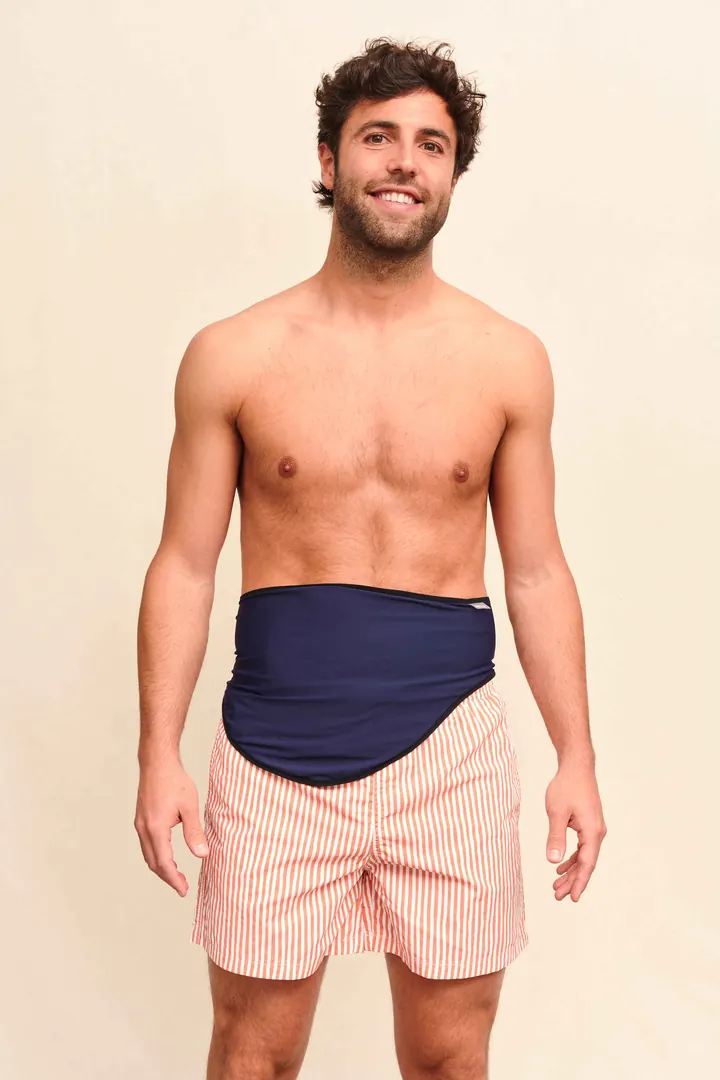
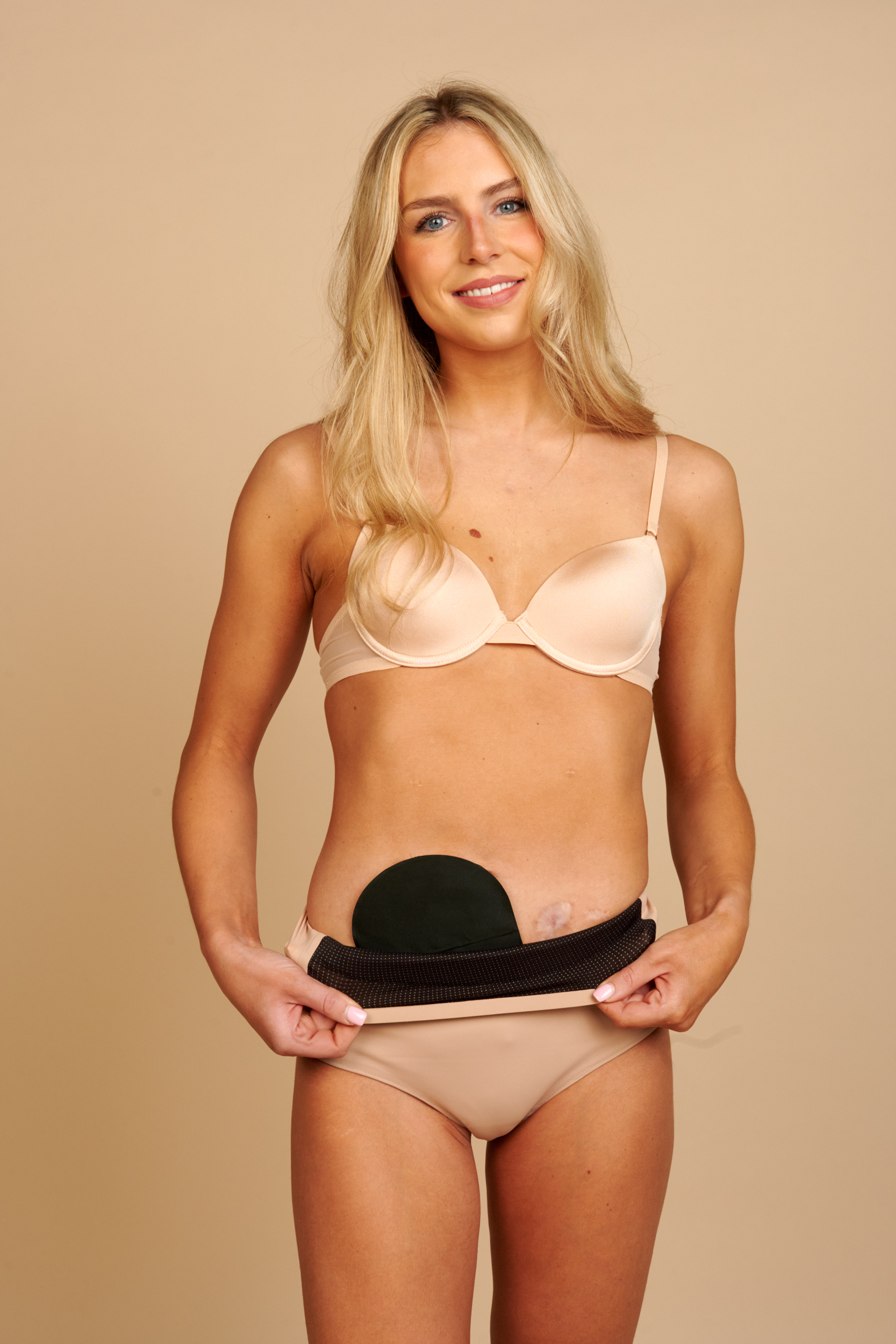
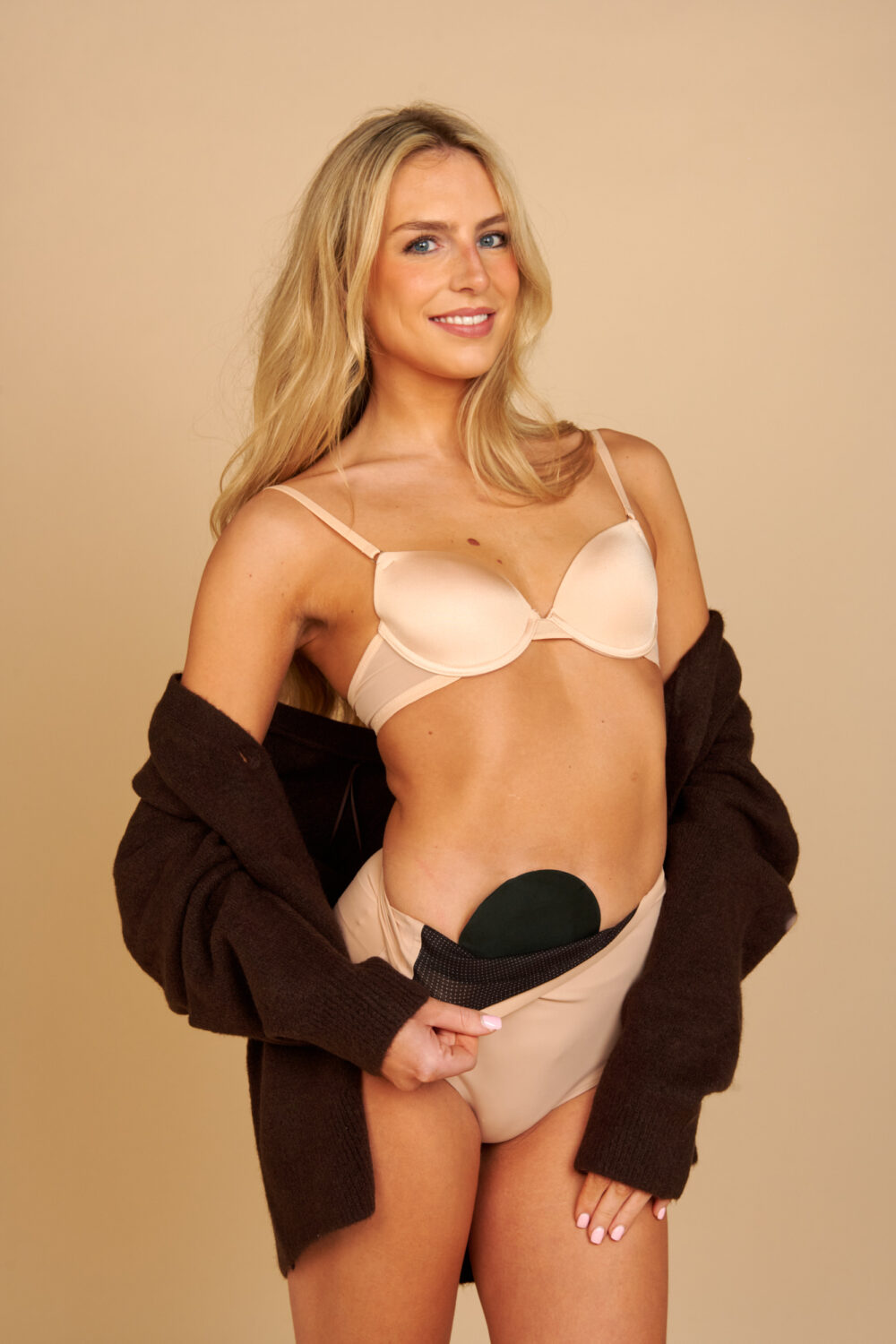
Choose soft, supportive waistbands or wraps to keep your pouch stable and discreet—one of the most underrated ostomy lifestyle tips. Stay active: walking, yoga, even swimming are possible with the right support tapes. 

Pack a mini “everywhere kit”—wipes, ring, spare pouch—classic ostomy lifestyle tips for travel and busy days. In hot weather, store supplies cool and dry, and consider extended-wear barriers. 

With practical ostomy lifestyle tips, you’ll move with confidence and focus on life, not leaks.

Ileostomy pancaking at night

Nighttime Pancaking And Leakage Issues

happens when the pouch collapses, output thickens, or the wafer sits too flat while you sleep.

Leave a little air in the pouch at bedtime so it doesn’t vacuum-seal and worsen Ileostomy pancaking at night.

Cut the opening to the right size—snug but not strangling—so output can drop into the bag instead of smearing.

If the filter over-vents, cover it at night to prevent collapse and reduce Ileostomy pancaking at night.

Sleep on your side or back with a small pillow supporting the pouch, and keep waistbands loose.

These simple positioning tweaks can lower pressure, protect skin, and curb Ileostomy pancaking at night.


Empty right before lights out, then add a lubricating deodorant or a couple of drops of approved lubricant so output slides.

If you don’t have lubricant, place a small folded tissue inside to keep the films from sticking and limit Ileostomy pancaking at night.

Hydrate evenly through the evening, and avoid thickening foods late; that sticky consistency can trigger Ileostomy pancaking at night.

Consider a pouch with a slippery inner film or a soft-convex wafer if your stoma is flush.

Protect skin with barrier spray or wipes at each change, and use support wear that doesn’t compress the bag.

If leaks persist or soreness increases, book your stoma nurse—they can fine-tune fit, wafer type, and accessories to stop Ileostomy pancaking at night.

Ostomy Pancaking is one of the most common issues for ostomates, and Ostomy Pancaking can quickly turn daily pouch use into a struggle. Ostomy Pancaking happens when stool sticks at the top instead of sliding down, and Ostomy Pancaking creates pressure, leaks, and skin irritation. Many people ask what Ostomy Pancaking is, why Ostomy Pancaking happens, and how to stop Ostomy Pancaking. Thick stool is a main cause of Ostomy Pancaking, while filters that over-vent can worsen Ostomy Pancaking. Tight waistbands or poor wafer fit may also cause Ostomy Pancaking. Staying hydrated helps reduce Ostomy Pancaking, and pouch lubrication is another method for preventing Ostomy Pancaking.

For many, solving Ostomy Pancaking starts with simple adjustments. Leaving a little air in the pouch can reduce Ostomy Pancaking, and cutting the wafer to the right size helps minimize Ostomy Pancaking. Covering filters at night may stop Ostomy Pancaking, and using convex gear can help if the stoma is flat. Applying lubricating deodorant is one of the easiest ways to fight Ostomy Pancaking, and softening stool with diet can also prevent Ostomy Pancaking. Some products are designed specifically to reduce Ostomy Pancaking, and stoma nurses can give advice tailored to persistent Ostomy Pancaking.

Consistency is key when tackling Ostomy Pancaking. Tracking foods, sleep positions, and clothing choices can highlight patterns linked to Ostomy Pancaking. People often find that early emptying avoids Ostomy Pancaking, while long waits encourage Ostomy Pancaking. If pancaking persists, equipment changes may solve Ostomy Pancaking, and lubricants can further help reduce Ostomy Pancaking. The most important step is not ignoring Ostomy Pancaking, since small tweaks prevent bigger problems from repeated Ostomy Pancaking. With the right care plan, Ostomy Pancaking can be managed, and many people report less stress when Ostomy Pancaking is under control.

FAQs: Leak-Free Ostomy Life

How do I know if my ostomy appliance fits correctly?

A snug fit around your stoma without gaps is key. If leaks occur often, remeasure your stoma.


Can I swim with an ostomy bag?

Yes! Most pouches are waterproof. You can add waterproof tape for extra security.


How often should I change my ostomy pouch?

Empty it when one-third full, and change the barrier every 3–7 days.

What should I do if I experience frequent leaks?

Consult your stoma nurse. You may need a different product or application method.


Are there foods that help reduce odor and gas?

Yes, parsley, yogurt, and cranberry juice may help neutralize odor.


Can I exercise with an ostomy?

Absolutely. Just use supportive gear to keep your pouch stable. ( I would recommend using OSTOMY BELT when doing exercise as it evidently helps reduce leaks by 92%)

Share this with a friend:

Discover Favorited Ostomy Products

Insurances + Medicare +
FSA/HSA

Reimbursement Guide

Download PDF guide👇

SIIL Belts and SIIL Wraps Covered by insurances, Medicare and FSH/HSA.

Score a sneaky
Free Gift!

Don’t sleep on this deal! 👇

We hate Spam as much as you do! Your email is safe here.

Ostomy Belt - Colostomy Belt - Ileostomy Belt

We hate Spam as much as you do! Your email is safe here.

Ostomía:
¡Más allá!

Únete a la familia SIIL Ostomy

Ostomy Products | SIIL Ostomy

Accede a tu cuenta: