

Colostomy · Surgery explained
Colostomy surgery
What actually happens in colostomy surgery, in plain words: why it's done, how to prepare, the two ways it's done, the hospital stay and the weeks of recovery that follow.

Colostomy surgery brings part of your large bowel (colon) out through an opening in your tummy, called a stoma. Poo then collects in a bag on your tummy instead of leaving through your bottom. The operation is done when part of the colon, rectum or anus needs to be removed or rested, for example because of bowel cancer, diverticulitis, inflammatory bowel disease or a blockage. It is done under general anaesthetic, by keyhole or open surgery, and can be temporary or permanent. The NHS says you will usually stay in hospital for around 2 to 7 days and need around 8 weeks to recover.
- Loop or endthe two main types of colostomy
- Keyhole or openthe two ways the operation is done
- 2–7 daystypical hospital stay, according to the NHS
- About 8 weeksto recover and avoid heavy lifting, says the NHS
What is colostomy surgery?
Colostomy surgery brings part of your large bowel, the colon, out through an opening made in your tummy. That opening is called a stoma. After the operation, poo no longer leaves through your bottom: it comes out of the stoma into a bag that sticks to your tummy.
According to the NHS, a healthy stoma is soft, slippery and pink, like the inside of your mouth. It may sit flat against the skin or stick out a little. It shouldn't hurt, but it can bleed easily when it's wiped or scratched.
A colostomy can be temporary, and reversed later, or permanent, depending on why you need it. If you'd like to see what the bag itself looks like and how it works, read our guide to colostomy bags.
Why colostomy surgery is done
A colostomy is done when part of the colon, the rectum or the anus needs to be removed, or needs to rest after surgery. The NHS lists these reasons:
- a growth in the large bowel, such as bowel cancer or polyps;
- a bowel condition such as inflammatory bowel disease;
- an infection such as diverticulitis, or an abscess;
- a bowel obstruction, when the bowel is blocked;
- not enough blood reaching the bowel, such as ischaemic bowel disease;
- a large bowel that has become very swollen;
- an injury to the bowel, or to the spinal cord or nerves, that means you can't control when you poo.
Some colostomies are planned. Others are done as an emergency, when there may be no time to prepare. Either way, a stoma care nurse will help you learn to look after your stoma afterwards.
Preparing for colostomy surgery
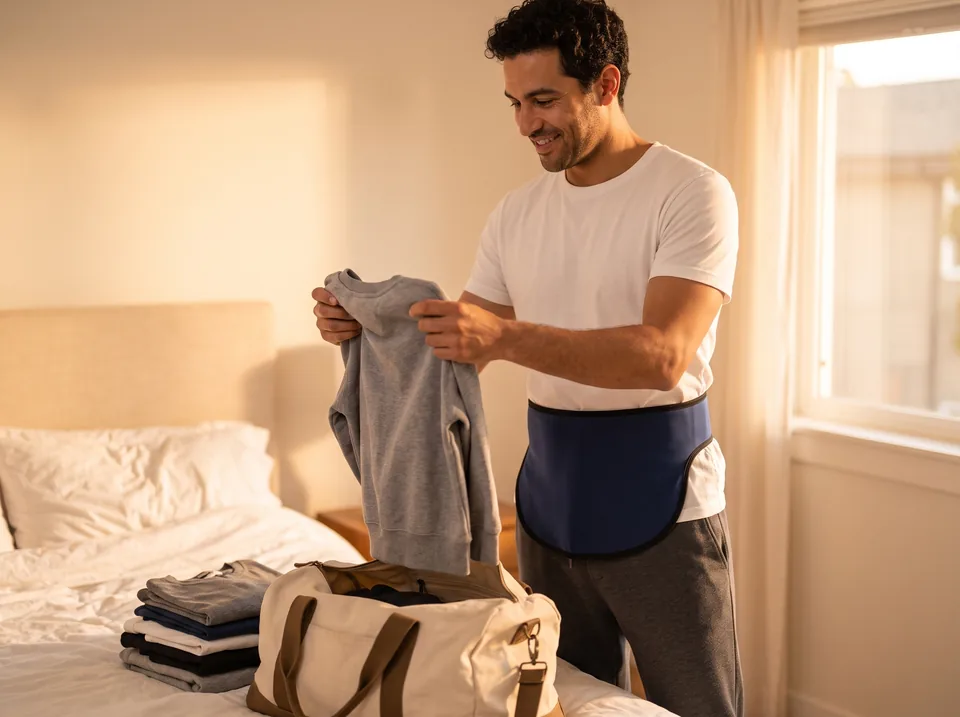
If your operation is planned, you'll usually see a stoma care nurse at the hospital beforehand. The NHS describes what that appointment usually covers:
Talking about your worries before the operation can make it easier to adjust afterwards. Our preparing for stoma surgery checklist covers the questions to ask, what to pack and how to set up your home for the first weeks.
How colostomy surgery is done
During the operation, part of your colon is separated from the rest of the bowel and brought out through an opening in your tummy. Sometimes part of the large bowel is removed as well. There are two main ways to do it, and both use a general anaesthetic, so you're asleep and won't feel any pain:
Keyhole (laparoscopic) surgery
The surgeon works through a few small cuts in your tummy.
Open surgery
The surgeon makes one larger cut in your tummy.
Loop colostomy or end colostomy
| Loop colostomy | End colostomy | |
|---|---|---|
| How it's made | A loop of colon is pulled through the opening, cut open and stitched to the skin, making two openings joined at the base | One end of the colon is pulled through the opening and stitched to the skin |
| Temporary or permanent | Usually temporary | Can be temporary or permanent |
| The colon | Usually not removed | Some or all of it may be removed |
| Your bottom | A sticky white or yellow mucus may come out of your bottom now and then. This is normal. | |
Wondering how a colostomy compares with an ileostomy, where the small bowel is used instead? Our ileostomy vs colostomy guide explains the difference.
In hospital, right after the operation
- When you wake up
You'll already have a bag on your tummy. Your tummy may feel bloated and sore; ask for pain relief if you need it.
- The days on the ward
The NHS says you'll usually stay in hospital for around 2 to 7 days.
- Going home
Before you leave, your stoma care nurse makes sure you're comfortable wearing and changing your bag. Soft, loose clothes you packed ahead make the journey home easier.

Those first changes at home are where most people learn the most. Our new stoma patient guide walks through the first weeks, and our colostomy care guide turns bag changes and skin care into a simple daily routine.
Recovery after colostomy surgery
The NHS says it usually takes around 8 weeks to recover from a colostomy and get back to your usual activities. In that time:
- Rest, and take the time you need to adjust to the change in your body.
- Eat a low-fibre diet while your bowel heals, as your team advises, and bring your usual foods back once things settle.
- Move gently. A short walk when you feel ready is a good start.
- Avoid strenuous activity and heavy lifting for 8 weeks while your tummy muscles heal.
- Wait until you've recovered before you drive.
- Eat regularly and chew well, which helps stop the stoma getting blocked, and drink plenty of fluids.
- Ask about your medicines. Some tablets are designed to dissolve slowly and may pass into your bag before they work. Your GP can suggest other forms, such as liquids or powders. Don't stop a prescribed medicine without asking first.

According to the NHS, many people find daily life improves after a colostomy, because the pain or symptoms that led to surgery are gone. You should be able to go back to work when you feel well enough and comfortable looking after your stoma; talk to your employer if your job involves heavy lifting. For what comes after the first weeks, from food to travel and intimacy, read our guide to life after stoma surgery.
Getting dressed when you're back home
The NHS says stoma bags are well designed and you should be able to wear your usual clothes. In the first weeks, pick what feels good on a sore tummy: soft fabrics, and waistbands that sit above or below your stoma rather than across it.
When your stoma care nurse says pressure over the area is fine, a soft stoma belt can hold the bag flat and close to your body, so it doesn't swing or pull as it fills. It sits over the bag; the baseplate is still what keeps it sealed.


Can a colostomy be reversed?
Sometimes. A temporary colostomy can be reversed with a further operation. The reversal joins the bowel back together and closes the opening in your tummy. Afterwards you poo through your bottom again and no longer need a bag.
According to the NHS, reversals usually happen for loop colostomies that were done in an emergency, and it isn't always possible to reverse a colostomy. Your surgeon is the person to ask whether it's an option for you, and when. If it is, our guide to stoma reversal surgery explains what to expect.
Possible complications, and when to call
As with any operation, complications can happen. Your doctor will explain the risks before the procedure. The NHS mentions an infection around the stoma (usually treated with antibiotics), dehydration, a bowel blockage, and problems with the stoma itself, such as a hernia (a bulge around it), a stoma that sinks back into the tummy, a stoma that pushes out too far, or sore skin around it.
- you have a very high temperature, or feel hot, cold or shivery;
- there's a lot of blood coming from your stoma or in your bag;
- you have signs of dehydration, such as tiredness, a dry mouth or a lot of poo coming out of your stoma;
- no poo has come out of your stoma for much longer than is normal for you, or you feel uncomfortable;
- you have severe tummy pain;
- you feel sick or are being sick.
These can be signs of an infection or a blockage, so call your surgical team, your stoma care nurse or your GP straight away, or NHS 111 if you can't reach them; in an emergency, call 999 or go to A&E. For anything less urgent, such as a problem with your stoma or sore skin around it, contact your stoma care nurse or GP; they can advise on products that help. Our guide to stoma blockage explains the early signs.
Colostomy surgery: common questions
What is colostomy surgery?
It is an operation that brings part of the large bowel (colon) out through an opening in the tummy, called a stoma. Poo then leaves the body through the stoma into a bag, instead of through the bottom.
Why would someone need a colostomy?
Common reasons include bowel cancer or polyps, inflammatory bowel disease, diverticulitis or an abscess, a bowel obstruction, poor blood supply to the bowel, a bowel injury, or loss of bowel control after a spinal cord or nerve injury.
How is a colostomy operation done?
Under general anaesthetic, either through a few small cuts (keyhole surgery) or one larger cut (open surgery). In a loop colostomy a loop of colon is brought out and opened; in an end colostomy one end of the colon is brought out and stitched to the skin.
How long is the hospital stay after colostomy surgery?
The NHS says you will usually stay in hospital for around 2 to 7 days. Your stoma care nurse makes sure you can wear and change your bag before you go home.
How long does it take to recover from colostomy surgery?
The NHS says it usually takes around 8 weeks to recover and get back to your usual activities. Avoid heavy lifting and strenuous activity for those 8 weeks while your tummy muscles heal.
Is a colostomy permanent?
Not always. A loop colostomy is usually temporary. An end colostomy can be temporary or permanent. Whether it can be reversed depends on why you needed it, so ask your surgeon.
Can a colostomy be reversed?
Sometimes. A reversal joins the bowel back together and closes the stoma, so you no longer need a bag. Reversals usually happen for loop colostomies done in an emergency, and they aren't always possible.
Does a colostomy hurt?
Your tummy will be sore after the operation, and you can ask for pain relief. The stoma itself shouldn't hurt, though it can bleed a little when wiped.
Can I wear my normal clothes after a colostomy?
Yes. The NHS says stoma bags are well designed and you should be able to wear your usual clothes. In the first weeks, soft fabrics and waistbands that sit above or below the stoma tend to feel best.
Sources and further reading
- NHS: Colostomy
- NHS: What is a colostomy?
- NHS: Why a colostomy is done
- NHS: Preparing for a colostomy
- NHS: How a colostomy is done
- NHS: Recovery and lifestyle changes after a colostomy
- NHS: Complications of a colostomy
Written by María G. for SIIL Ostomy. Your own surgeon and stoma care nurse know your situation best; follow their advice where it differs.
More from the SIIL journal

Colostomy
What counts as a high output stoma or ileostomy, the signs of dehydration, the food and drinks NHS teams suggest, and when to call…

Colostomy
How to clean a stoma and the skin around it, how to clean a drainable stoma or colostomy bag, whether to rinse the bag and what ne…

Colostomy
Is a prolapsed stoma dangerous? What it looks like, why it happens, what helps at home, when to call 999, plus stoma bag, clothing…
Welcome offer
Stories, tips and exclusive drops — once a month, never spam. Your code lands in your inbox the moment you subscribe.
By subscribing you accept our privacy policy. Unsubscribe in one click, anytime.