

Stoma care · Daily routine
How to Clean a Stoma and a Stoma Bag: A Gentle Step-by-Step Guide
Cleaning a stoma is gentler and simpler than most people expect: warm water, something soft and a few minutes. Here is exactly how to clean your stoma, the skin around it and your bag, plus the products that do more harm than good.
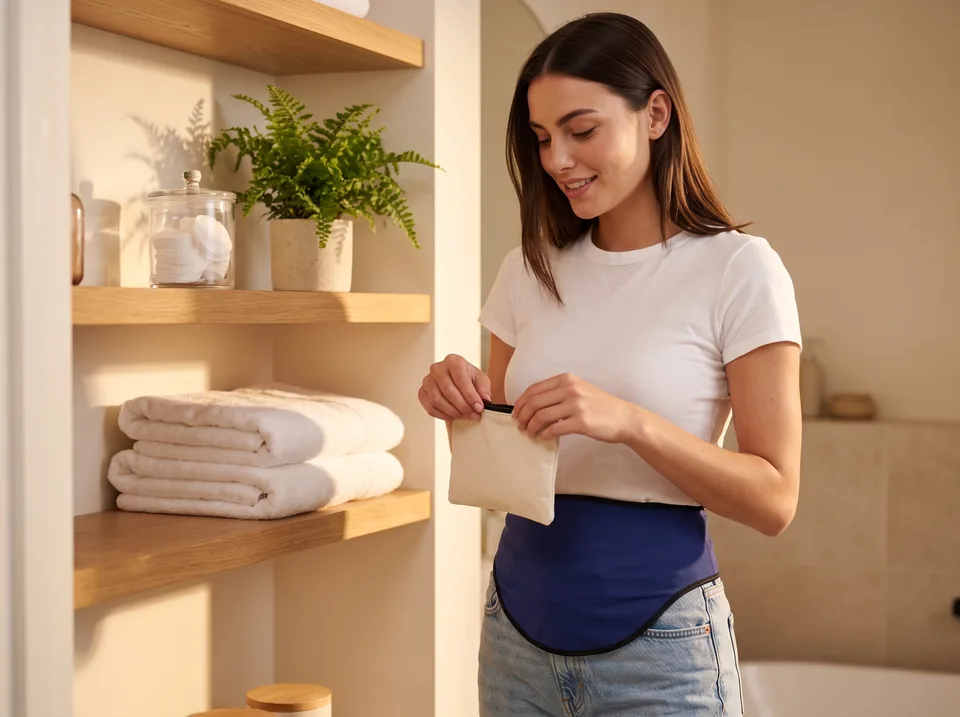
How to clean a stoma: at each bag change, wipe the stoma and the skin around it with warm water and a soft, lint-free wipe or gauze, then pat everything completely dry before applying the new bag. Soap isn't needed; if you use it, choose a mild, unscented one and rinse it off fully. Avoid alcohol wipes, antiseptics, oils, lotions and baby wipes with moisturisers, which irritate skin or stop the flange sticking. A little bleeding when you clean is normal. To clean a drainable stoma bag, wipe the outlet inside and out after emptying; there is no need to rinse the inside of the bag.
- Warm wateris all most stomas need
- Pat drythe step people skip, and the one that makes flanges stick
- 2–3 mmthe gap between the stoma and the flange opening
- No rinsethe inside of a bag doesn't need washing
What you need to clean a stoma
Cleaning a stoma is gentler and simpler than most people expect. You are not disinfecting a wound; you are washing the lining of your bowel, which heals itself and only needs warm water.
Gather everything before you take the old bag off, so you never have to go looking with the stoma uncovered. Tick things off as you lay them out:
Use
- Warm water
- Soft, lint-free wipes or gauze
- Mild, unscented soap, rinsed off fully (optional)
- Adhesive remover
- Gentle patting to dry
Avoid
- Alcohol wipes and antiseptics such as hydrogen peroxide or iodine
- Baby wipes or wet wipes with lotion, oils or fragrance
- Perfumed soaps, shower gels and bath oils
- Moisturisers, creams and talc where the flange sticks
- Scrubbing, or a hot hairdryer
How to clean your stoma, step by step
The best time is before breakfast, when most stomas are quieter. Many people like to do it at the end of a shower, too.
Wash your hands
Soap and warm water for 20 seconds, then dry them well.
Remove the old bag
Empty it first if needed. Peel the flange off from the top down, pressing the skin away from it; adhesive remover makes this painless.
Be ready for output
Stomas can work at any moment. Keep a folded dry wipe or gauze over the stoma while you get set up.
Wipe the stoma
With a soft wipe dipped in warm water, clean gently around and over the stoma. A little mucus or a few spots of blood are normal.
Clean the skin around it
Wipe away any output and adhesive residue from the surrounding skin, working outwards. Rinse off soap if you used any.
Pat completely dry
Dab with a dry wipe or towel, then give it a minute in the air. A hairdryer on the cool setting helps on humid days.
Take a look
Check the stoma is pink to red and moist, and the skin looks like the rest of your tummy. Measure the stoma if it's still changing size.
Apply the new bag
Cut the opening 2–3 mm bigger than the stoma, press it on and hold for 30 to 60 seconds. Wash your hands again.
Is it normal for a stoma to bleed after cleaning?
Yes, a few spots are normal. The stoma surface has lots of tiny blood vessels and no pain nerves, so it can bleed slightly when wiped, and it should stop within minutes. Read our guide to stoma bleeding for what's normal and the signs that need a call.
For the whole change, step by step, see our guide to changing a stoma bag; if you have a colostomy, our colostomy care guide puts cleaning into a simple daily routine.
Cleaning the skin around your stoma
Healthy skin under the flange is the secret to a bag that doesn't leak. A few details make all the difference:
- Adhesive residue: a little left on the skin is fine. If it builds up, use an adhesive remover and wipe it away rather than scrubbing.
- Hair: trim it with clippers or a guarded razor, shaving away from the stoma, so the flange sticks and pulling it off doesn't hurt.
- Sweat: on hot days or after exercise, make sure the skin is really dry before applying a new flange.
- Raw or weepy patches: your nurse may suggest "crusting": dust a little stoma powder on the raw area, brush off the excess, dab over it with a no-sting barrier film wipe, let it dry and repeat once or twice. It gives the flange a dry surface to stick to.
If the skin stays red or sore despite good cleaning, the fit usually needs adjusting. Our skin care around your stoma hub walks through the common causes and fixes.
How to clean a stoma bag
Drainable bags (colostomy or ileostomy)
After you empty a drainable bag, the only part that needs cleaning is the outlet. Wipe the end inside and out with toilet paper or a moist, unscented wipe, check there's nothing left on the closure, then fold or clip it shut. A clean outlet is also the best way to stop odour. A few drops of bag lubricant help output slide down next time, so there's less to wipe.
Should you rinse out your stoma bag?
Usually, no. Rinsing the inside of the bag isn't necessary, and most manufacturers advise against it: water can work its way under the flange, loosen the seal and shorten how long the bag lasts. If thick output makes emptying hard, try bag lubricant first. If your stoma care nurse has taught you to rinse, use only a little lukewarm water and keep it well away from the flange.
Closed bags
Closed bags aren't cleaned or reused. Peel the bag off, wrap it in a disposal bag and put it in the bin. Never flush it.
Urostomy bags and night drainage bags
Wipe the tap of a urostomy bag after draining it. Many night drainage bags are single-use; if yours is reusable, drain it each morning, rinse it as the manufacturer describes, hang it to dry and replace it as often as recommended, often weekly.
bleach, disinfecting wipes such as household cleaning wipes, alcohol or solvents on your bag or flange. They can damage the bag material, irritate the skin around your stoma and break down the adhesive.
Cleaning on the go
A small kit means a leak or a change away from home is a five-minute job. Keep it in your bag, your car and your desk drawer:
- two pre-cut bags or flanges, and a few dry wipes;
- unscented wet wipes without lotion, for your hands and the outlet;
- a few disposal bags and a small pack of tissues;
- hand sanitiser, for your hands only, never the stoma;
- a spare pair of knickers or pants, just in case.
In public toilets, put toilet paper in the bowl before you empty, and sit back or kneel so the outlet points straight in. Accessible toilets give you a sink and more space. In the UK, a Radar key opens locked accessible toilets, and carrying a stoma card or travel certificate can help if you need to ask for a staff toilet.

Showering, bathing and swimming
Water won't get into your stoma, so you can shower or have a bath with the bag on, or take it off and shower without it on change days, which many people find the easiest way to clean. Keep soap and shower gel away from the skin around the stoma, or rinse it off well, and dry thoroughly before the new flange goes on.
If you shower with the bag on, cover the filter with the sticker from the box so it stays dry, and pat the flange dry afterwards. Swimming is fine once you've healed: empty the bag first, and high-waisted swimwear will hold it close. Our guide to swimming with a stoma has more tips.

Washing your stoma belt, wraps and underwear
Your garments sit close to the bag all day, so they need washing often, and gently, to keep their stretch and hold.
- Hand-wash in lukewarm water, or use a cold, delicate machine cycle with the piece inside a mesh laundry bag.
- Close any Velcro before washing so it doesn't snag other fabrics.
- Use a mild, fragrance-free detergent. Skip fabric conditioner and bleach, which weaken the fibres and the stretch.
- Air-dry flat or hanging, out of strong direct sun; if you use a tumble dryer, choose a low heat or air-only setting. Don't iron.
- Rotate two or three pieces, so there's always a clean one ready.

Our stoma bag cover care guide goes into fabric care in more detail.
Common stoma cleaning mistakes
- Myth"The stoma needs disinfecting."RealityIt doesn't. Warm water is enough, and antiseptics can damage the stoma and the skin around it.
- Myth"Baby wipes are gentle enough."RealityMany contain lotions or oils that stop the flange sticking. Use plain water, or wipes made for stoma care.
- Myth"Moisturiser will stop my skin getting sore."RealityUnder the flange it causes leaks, and leaks cause sore skin. Keep creams off unless your nurse prescribes one.
- Myth"Rinsing the bag keeps it fresh."RealityIt can loosen the seal. Wipe the outlet clean instead and empty regularly.
- Myth"A little bleeding means I did it wrong."RealityA few spots are normal. The stoma bleeds easily, and it should stop within minutes.
the skin stays red, raw or itchy despite careful cleaning, bleeding doesn't stop with gentle pressure, or the stoma looks dark, swollen or different in shape. These usually point to a fit problem or something that needs a quick check.
Cleaning a stoma and stoma bag: FAQs
How do you clean a stoma?
At each bag change, wipe the stoma and the skin around it with warm water and a soft, lint-free wipe or gauze, working gently around and over the stoma. Then pat everything completely dry, check the skin and stoma, and apply the new bag.
Can I use soap on my stoma?
You don't need to. Warm water is enough. If you prefer soap, choose a mild, unscented one without moisturisers and rinse it off completely, because residue can stop the flange sticking.
Can I use baby wipes to clean my stoma?
Only if they are free of lotion, oils and fragrance. Many baby wipes leave a film that stops the flange sticking and can irritate skin. Plain warm water with soft dry wipes is safer.
Is it normal for a stoma to bleed after cleaning?
Yes. A few spots of blood after cleaning are common, because the stoma surface has many tiny blood vessels. It should stop within minutes. Call your nurse if it doesn't stop with gentle pressure or keeps happening.
How do you clean a colostomy bag?
If it's a drainable bag, empty it and wipe the outlet inside and out with toilet paper or an unscented wipe, then close it. If it's a closed bag, it isn't cleaned: remove it, wrap it in a disposal bag and put it in the bin.
Can you rinse out a stoma bag?
It isn't necessary, and most manufacturers advise against it because water can loosen the seal and shorten wear time. Bag lubricant is a better fix for thick output. If your nurse has taught you to rinse, use only a little lukewarm water.
How often should a stoma bag be emptied and changed?
Empty a drainable bag when it is about a third to half full, which for many people is several times a day. Flanges are usually changed every 2 to 4 days, or as your nurse advises, and immediately if you notice itching or a leak.
Can I use bleach or disinfecting wipes on my stoma bag?
No. Household disinfecting wipes, bleach and alcohol can damage the bag and flange and irritate your skin. Use toilet paper, water or a mild, unscented wipe on the outlet.
How do you clean a urostomy night bag?
Many night drainage bags are single-use. If yours is reusable, drain it in the morning, rinse it following the manufacturer's instructions, hang it to dry and replace it as often as recommended, often weekly.
Is a "colonoscopy bag" the same as a colostomy bag?
People sometimes search for a colonoscopy bag when they mean a colostomy bag. A colonoscopy is a camera test of the bowel; a colostomy bag is the pouch worn over a colostomy stoma, and it is cleaned exactly as described above.
Sources and further reading
- MedlinePlus: Changing your ostomy pouch
- MedlinePlus: Ileostomy, caring for your stoma
- MedlinePlus: Urostomy, stoma and skin care
Written by María G. for SIIL Ostomy. Follow the cleaning and product advice from your own stoma care nurse and your bag manufacturer where it differs.


More from the SIIL journal

Living with an Ostomy
Is a prolapsed stoma dangerous? What it looks like, why it happens, what helps at home, when to call 999, plus stoma bag, clothing…

Living with an Ostomy
Is stoma bleeding normal? Why stomas bleed, how to stop it, blood in the bag vs bleeding from the skin around it, and when to call…

Living with an Ostomy
Colostomy care step by step: emptying and changing the bag, cleaning the stoma and skin, food, odour, irrigation, clothes and when…
Welcome offer
Stories, tips and exclusive drops — once a month, never spam. Your code lands in your inbox the moment you subscribe.
By subscribing you accept our privacy policy. Unsubscribe in one click, anytime.