FREE DELIVERY IN USA OVER $120
We Are Covered by Insurances & Medicare
FREE DELIVERY IN UK / EUROPE OVER $100


Finding the best ostomy bags to prevent leakage is one of the most common concerns for people living with a stoma. Leaks can affect confidence, sleep, skin health, and everyday comfort. While no ostomy system is completely leak-proof in every situation, the right bag, combined with proper fit and care, can dramatically reduce leakage and help you feel more secure.

This guide explains why ostomy bags leak, what features matter most when choosing a system, and how to reduce leaks over time. Whether you have a colostomy, ileostomy, or urostomy, understanding these basics can make daily life noticeably easier.
Leaks are more common than many people realize, especially in the first months after surgery. The stoma and surrounding skin change as swelling reduces and the body heals. During this period, even a well-fitted bag may begin to leak if the opening no longer matches the stoma size or shape.
The most frequent cause of leakage is an incomplete seal between the skin barrier and the skin. Uneven skin, creases, scars, or moisture can prevent the adhesive from sticking properly. Output consistency also plays a role, especially with ileostomies, where liquid output can undermine the seal more easily.
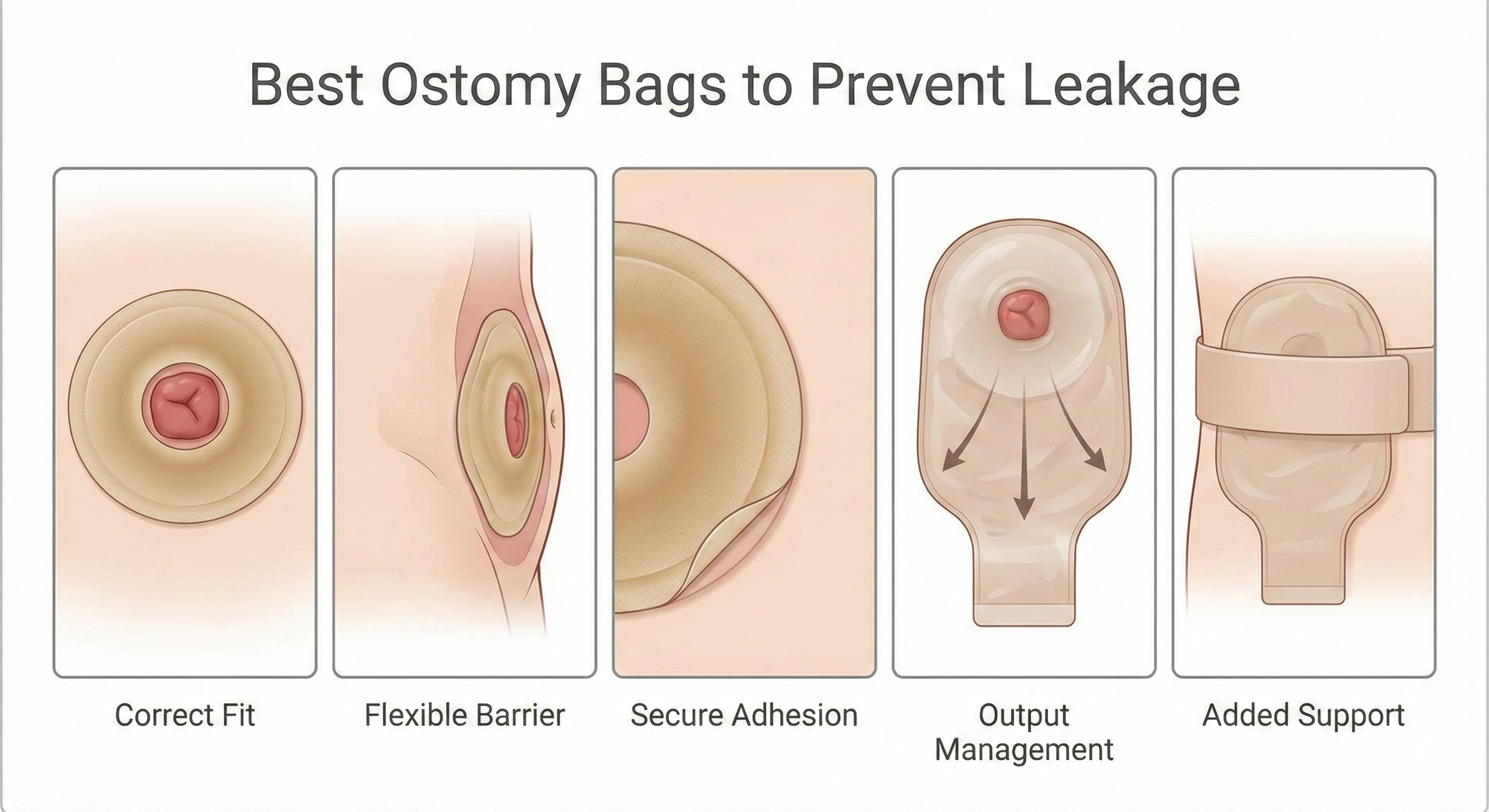
The best ostomy bags to prevent leakage are not defined by brand alone, but by how well the system matches your body. A good leakage-resistant bag has a reliable adhesive barrier, an opening that fits your stoma precisely, and a design suited to your activity level and output type.
For people who move frequently, exercise, or work long hours, flexibility matters. Bags with elastic barriers and strong yet breathable adhesives tend to move with the body instead of lifting at the edges. According to the NHS, comfort and security during movement are key factors in long-term pouch success.
One-piece systems combine the pouch and barrier into a single unit. They are often more flexible and lower profile, which can reduce edge lifting. Two-piece systems allow the pouch to be changed without removing the barrier, which can be helpful for skin health, but may introduce another potential leakage point if not aligned properly.
Convex ostomy bags are designed to gently push the stoma outward, improving drainage into the pouch. They are often recommended when leaks occur due to a flush or retracted stoma. The Mayo Clinic notes that convexity can significantly improve seal reliability for certain body types.
Weight gain or loss can change the contours of the abdomen, affecting how the barrier sits on the skin. Even small changes can create gaps where output may escape. Regular reassessment of fit is essential, especially after illness or lifestyle changes.
Yes, stoma size often changes, particularly in the first year after surgery. Measuring the stoma periodically ensures the opening in the barrier remains accurate. An opening that is too large exposes skin to output, while one that is too small can cause pressure and discomfort.
Night-time leaks are often linked to pouch overfilling or changes in sleeping position. Emptying the pouch before bed, using a larger capacity bag, and ensuring the barrier edges are well sealed can help. Consistent routines reduce unexpected pressure on the seal.
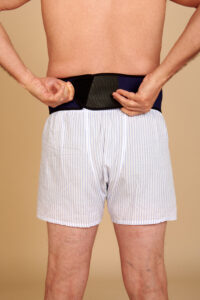
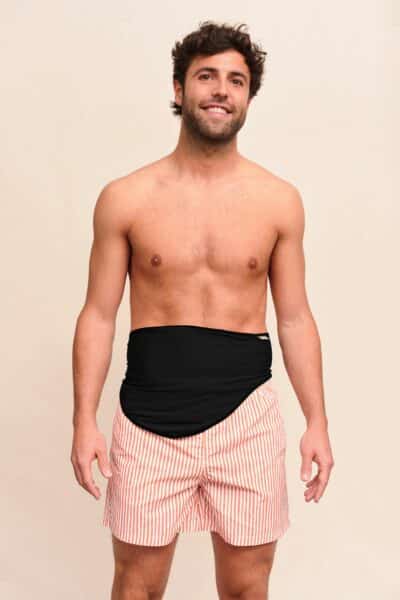
Ostomy belts provide gentle support, helping keep the pouch close to the body and reducing pulling on the adhesive. While belts do not replace a properly fitted bag, they can be a helpful addition. Many people use supportive accessories such as an ostomy belt to increase confidence during daily activities.
Most people change their ostomy bag every one to three days, depending on the system and output. Waiting too long can weaken the adhesive and increase the risk of leaks. Regular changes also allow you to check the skin for early signs of irritation.
Leaks are more often a sign of poor fit rather than a faulty product. Even high-quality ostomy bags can leak if they do not match the stoma or skin surface. Working with a stoma nurse can help identify whether a different barrier shape or size is needed.
If leaks continue despite adjustments, it is important to seek professional guidance. The Crohn’s & Colitis Foundation emphasizes that ongoing leakage should never be ignored, as it can lead to skin damage and reduced quality of life.
The best ostomy bags to prevent leakage are those that fit your stoma size accurately, use a reliable adhesive barrier, and suit your body shape and activity level.
Convex ostomy bags can help reduce leaks for people with flat or retracted stomas by improving drainage into the pouch.
Accessories such as belts and supportive garments can help stabilize the pouch and reduce strain on the adhesive seal.


Celebrities with Stoma Bags Many celebrities with stoma bags have

Ostomy Reversal What to Expect – Recovery, Bowel Function, and