FREE DELIVERY IN USA OVER $120
We Are Covered by Insurances & Medicare
FREE DELIVERY IN UK / EUROPE OVER $100


Patients preparing for reversal surgery often want clear, practical information about how dangerous is a colostomy reversal. Although the procedure is widely performed, it is still major abdominal surgery, and understanding the degree of risk can help patients feel more confident and prepared.
In this guide, we explore the essential factors that influence surgical risk, recovery challenges, and ways to support healing. Information is based on publicly available clinical material from the Mayo Clinic, Cleveland Clinic, and patient resources from the United Ostomy Associations of America (UOAA). More guidance is available at the SIIL Ostomy Reversal Hub.
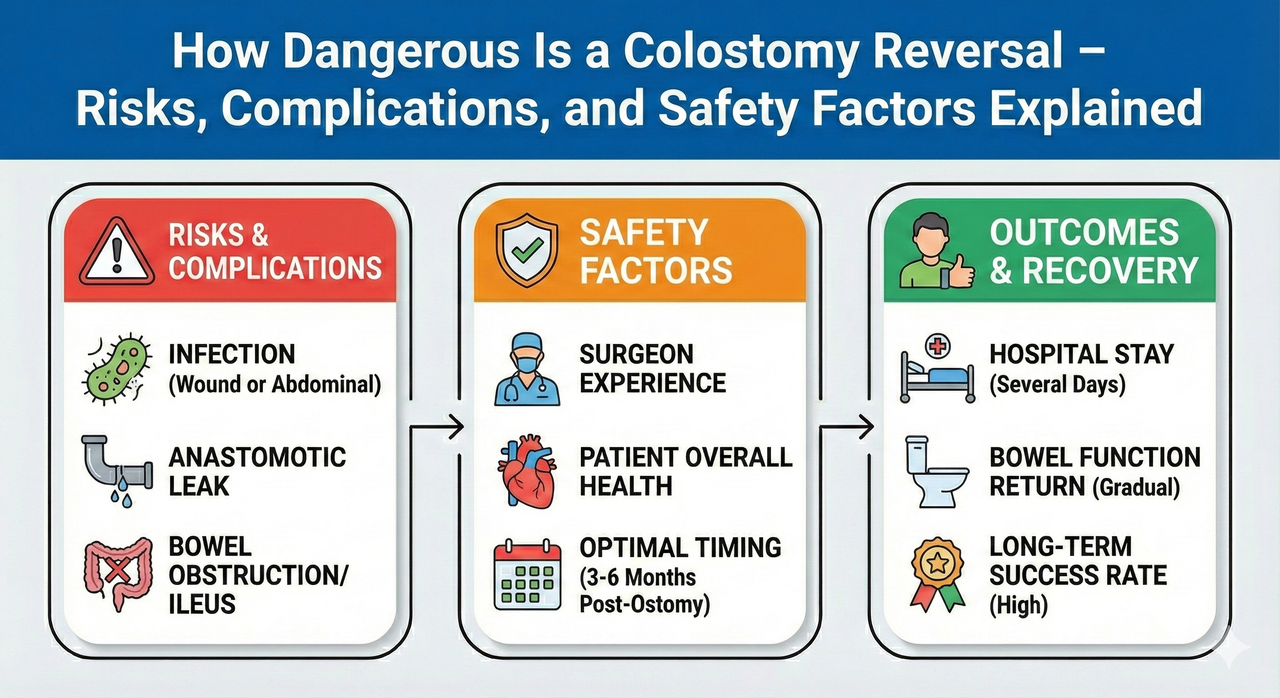
Any major abdominal procedure carries a baseline level of risk. These may include bleeding, infection, anesthesia reactions, or slow wound healing. While these risks do not determine how dangerous is a colostomy reversal for every patient, they form part of the overall safety picture.
Reversal surgery also requires careful reconnection of the bowel. Surgeons evaluate tissue strength and healing to determine whether the intestine is ready, which influences the practical meaning of how dangerous is a colostomy reversal in individual cases.
A well-healed stoma site lowers risk, while ongoing inflammation or scarring adds complexity. This aspect helps surgeons determine whether the patient is physically ready or whether more healing time would reduce concerns.
Chronic illnesses, heart or lung disease, diabetes, and immune challenges may increase risk. Surgeons use this information to adapt surgical planning and recovery expectations.
When discussing readiness, surgeons may evaluate whether nutritional status, disease control, or bowel function can be optimized further. These steps help build a safer path forward.
After a period of disuse, the bowel needs time to re-adapt. Early recovery may involve irregular patterns, occasional urgency, or changes in texture. These short-term effects are normal but require monitoring to ensure they stay within safe limits.
Adjusted digestion sometimes leads to dehydration, especially in patients who previously had a high-output stoma. Drinking fluids consistently and eating soft foods can support recovery and reduce complications.
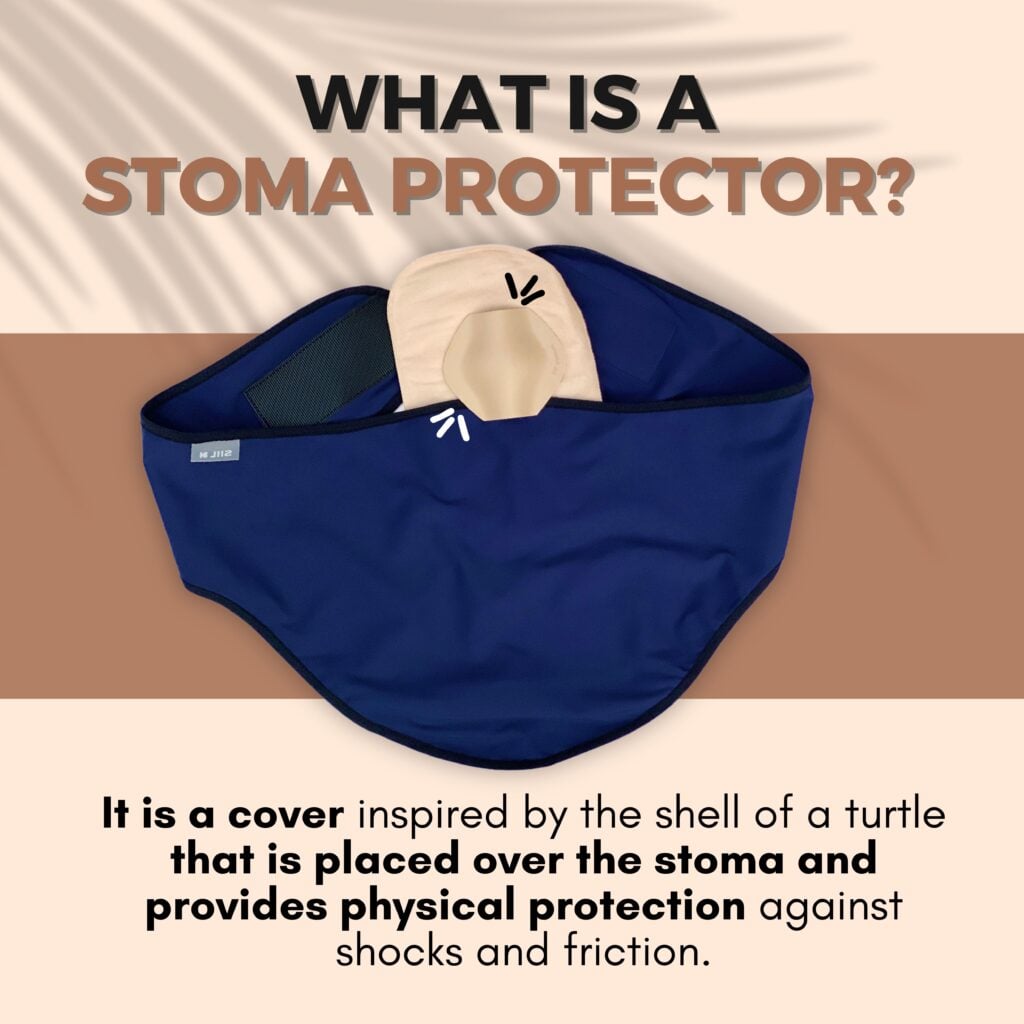
Comfort items such as abdominal-support garments can ease movement during this period. Options include Ostomy Support Underwear, SIIL Ostomy Belt, and Stoma Protector. These products do not change how dangerous is a colostomy reversal, but they do support comfort and stability.
Fatigue, soreness, and temporary reduction in appetite are common. Patients often rest more during the first two weeks, gradually increasing walking and mobility.
Signs requiring follow-up include new abdominal swelling, fever, severe pain, or inability to pass stool. These symptoms may indicate complications and should be evaluated quickly.
Following a recovery plan reduces strain on the body and supports predictable healing. Additional guidance can be found in the SIIL Ostomy Reversal Hub.
Digestive unpredictability is common, and recovery progress varies between individuals. Preparing mentally helps reduce unnecessary stress and supports a smoother transition.
Connecting with others who have gone through reversal often brings reassurance. Many patients find that hearing real-life experiences helps clarify what recovery truly feels like.
These shared insights also help patients interpret discussions about how dangerous is a colostomy reversal based on real-world outcomes rather than fear or assumptions.
An anastomotic leak is one of the most serious complications and requires prompt treatment.
Most patients recover strength within 2–8 weeks, though bowel regulation may take longer.
Older adults or those with chronic health conditions may face higher postoperative risks.
Yes. Diet adjustments, hydration, and planning your home environment are helpful before surgery.
The SIIL Ostomy Reversal Hub offers extended information and recovery guidance.
Understanding Stoma Protectors: Essential Guide for Safety & Comfort Understanding
Stoma Reversal A stoma reversal is a surgical procedure that

Best Ostomy Belt in Europe – Leading Support Belts for