FREE DELIVERY IN USA OVER $120
We Are Covered by Insurances & Medicare
FREE DELIVERY IN UK / EUROPE OVER $100


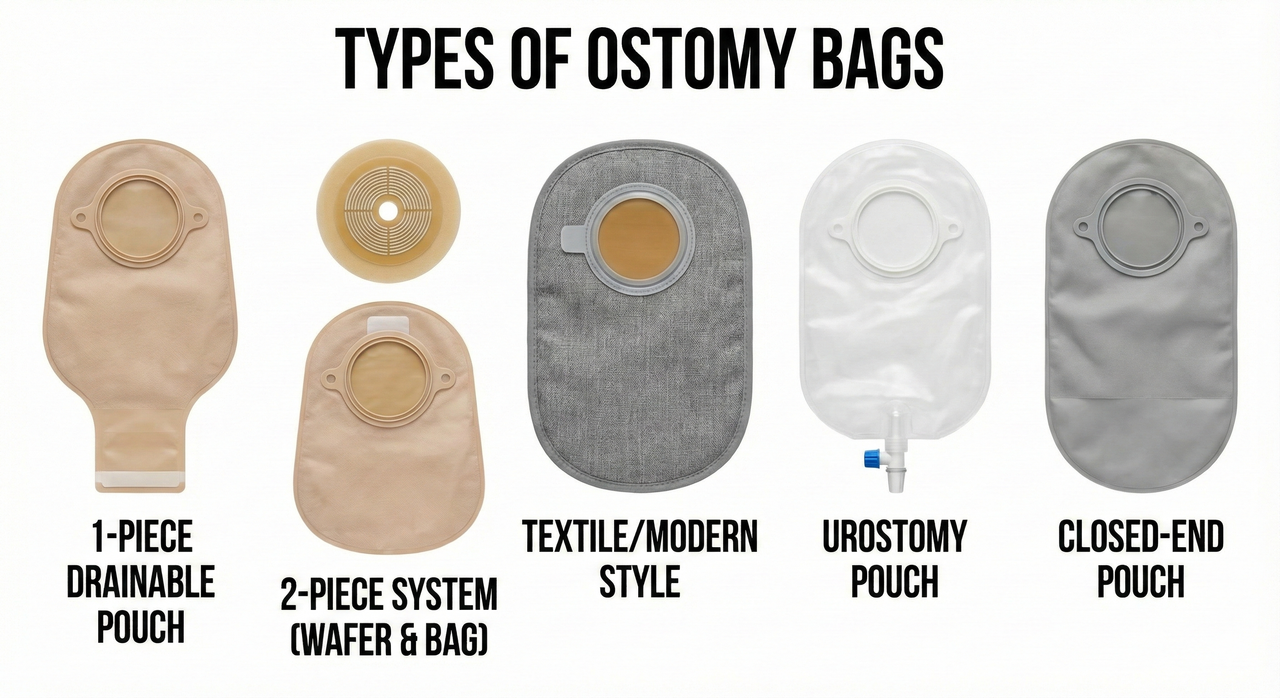
Learning how to choose your ostomy bags is one of the most important steps in creating a comfortable and leak-free routine. With so many systems, shapes, and materials available today, it’s normal to feel unsure where to begin. This complete 2025 guide breaks down everything you need to know so you can confidently select the right pouching system for your body, lifestyle, and stoma type.
If you need accessories compatible with all pouch brands, you can browse the full collection here:
To understand how to choose your ostomy bags, you first need to identify your stoma characteristics. Stomas vary in size, height, moisture level, output consistency, and direction. These differences affect which pouch system works best. Your stoma nurse usually measures your stoma after surgery, but changes in size during healing are common — so it’s important to re-check sizing regularly.
Liquid output typically requires drainable pouches with stronger skin protection. Formed output may work better with closed-end bags. This is a key element when deciding how to choose your ostomy bags successfully.
If you experience redness or irritation, choose gentle adhesives, moldable barriers, or products specifically designed for sensitive skin.
Choosing between these two systems is central to understanding how to choose your ostomy bags. Each style offers different benefits:
The bag and barrier are connected, making it lightweight and discreet. Ideal for people who prefer simplicity and want fewer steps during changes.
These allow you to replace the pouch without removing the adhesive barrier. Many people find this option gentler on the skin and more flexible for daily activities.
The decision between drainable and closed systems can influence how to choose your ostomy bags based on your routine and lifestyle.
Designed for frequent emptying and best for ileostomy users or those with high output.
Best for colostomy users with firmer output. Usually replaced rather than emptied.
Stoma type plays a big role in how to choose your ostomy bags. Each requires a slightly different setup:
No matter the stoma type, supportive accessories can improve comfort and provide extra security. You can explore them here:
Your daily habits also influence how to choose your ostomy bags. For example:
If you run, travel, or go to the gym, choose bags with secure closures, odor protection, and strong adhesives.
High-waisted clothes, belts, or tighter outfits may affect whether you prefer a longer or shorter bag length.
You may prefer quieter materials or filtered bags for discreet wear.
The barrier is often the most important part of how to choose your ostomy bags. A proper fit protects the skin and prevents leaks.
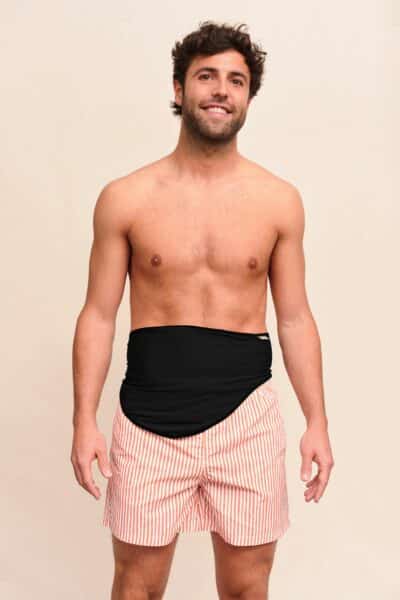
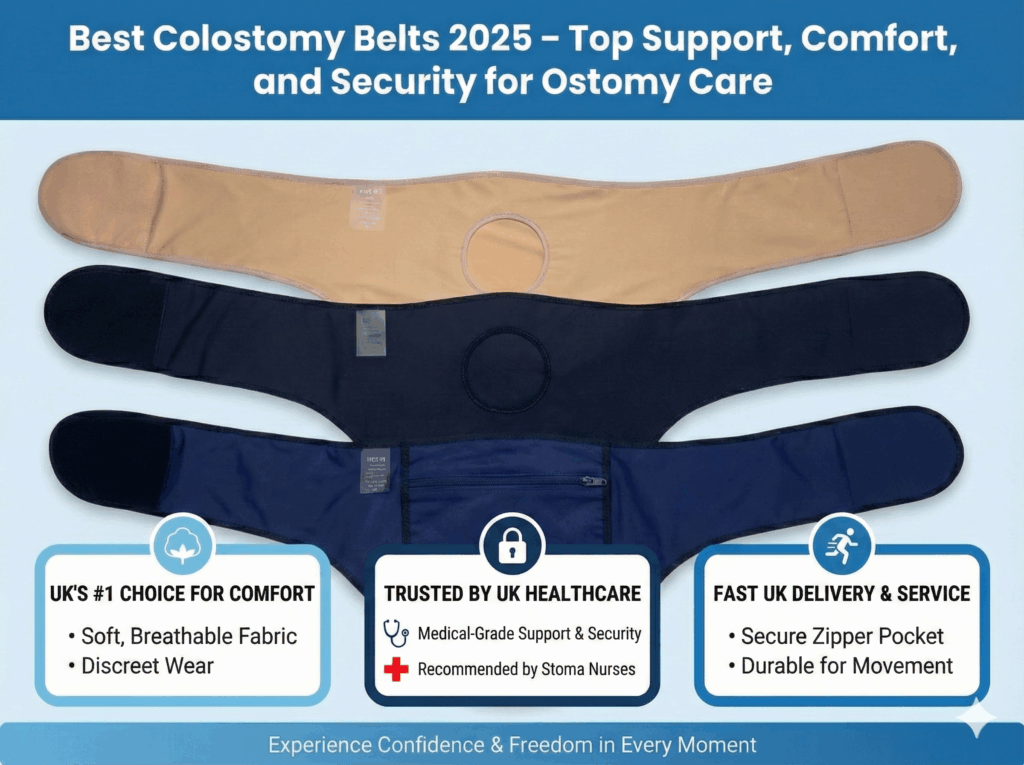
If you want added stability, many users pair their pouch with a belt or wrap. You can explore options here:
Watch this step-by-step explanation to better understand how to choose your ostomy bags based on stoma type, barrier fit, and daily needs.

Open video directly:
Watch on YouTube
Yes — as long as the barrier opening matches your stoma size and shape.
Most users change it every 2–4 days, depending on lifestyle and skin health.
Not always, but belts, wraps, and protectors can significantly improve comfort.
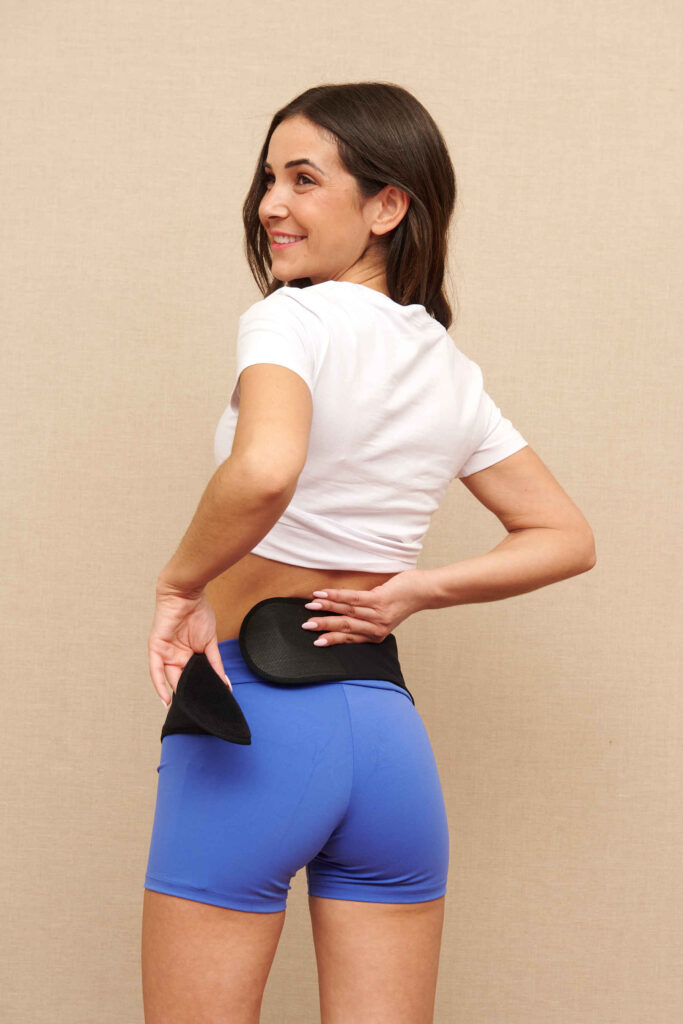
Highly-Reviewed Ostomy Bag Covers | Trusted by 40,000 Ostomates Highly-Reviewed

Celebrities with Ostomy Bags – Inspiring Stories of Strength &
Best Stoma Belt in UK – Top Stoma Support Belts