FREE DELIVERY IN USA OVER $120
We Are Covered by Insurances & Medicare
FREE DELIVERY IN UK / EUROPE OVER $100


Many patients look forward to the moment the stoma is closed, but understanding life after colostomy reversal helps set realistic expectations for healing, bowel function, and long-term routines. The body transitions through several phases of adjustment, and knowing what comes next provides reassurance during the process.
Information in this guide reflects commonly reported experiences and clinical insights available through the Mayo Clinic, Cleveland Clinic, and community guidance from the United Ostomy Associations of America. Additional preparation and recovery resources are available at the SIIL Ostomy Reversal Hub.
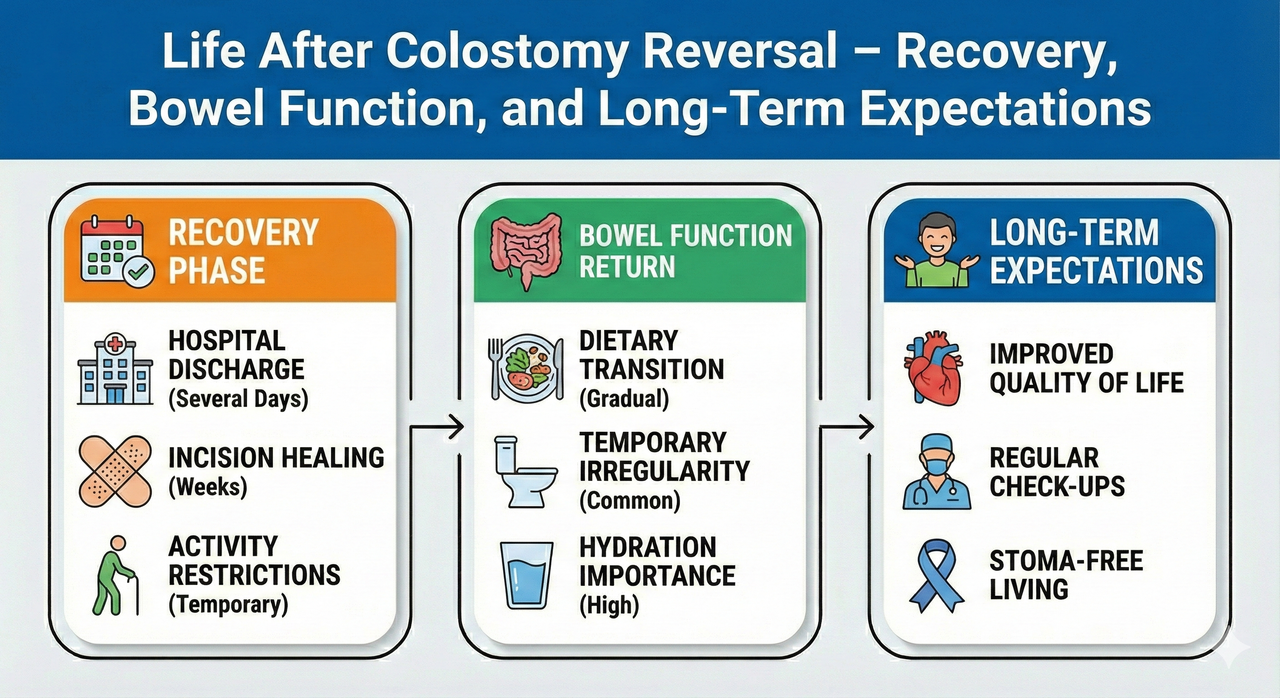
The digestive system may take time to re-establish regular bowel movements. Early on, many patients notice urgency, increased frequency, or softer stool. These changes are part of the natural adaptation process and typically improve as the intestine adjusts to its new workload.
The transition into life after colostomy reversal requires patience. Even when surgery is successful, bowel predictability varies widely, and progress often occurs in gradual steps rather than dramatic overnight improvements.
Hydration, light meals, and gentle physical activity are helpful during this early stage. Surgeons often recommend rest, mobility, and a simple diet to support healing.
Loose stools, temporary urgency, or mild abdominal discomfort are common in the weeks following surgery. These symptoms reflect the bowel's effort to regain routine function after being out of use.
Stress, hydration, and diet can influence bowel movement patterns. Learning how your body responds is a core part of navigating life after colostomy reversal in the early months.
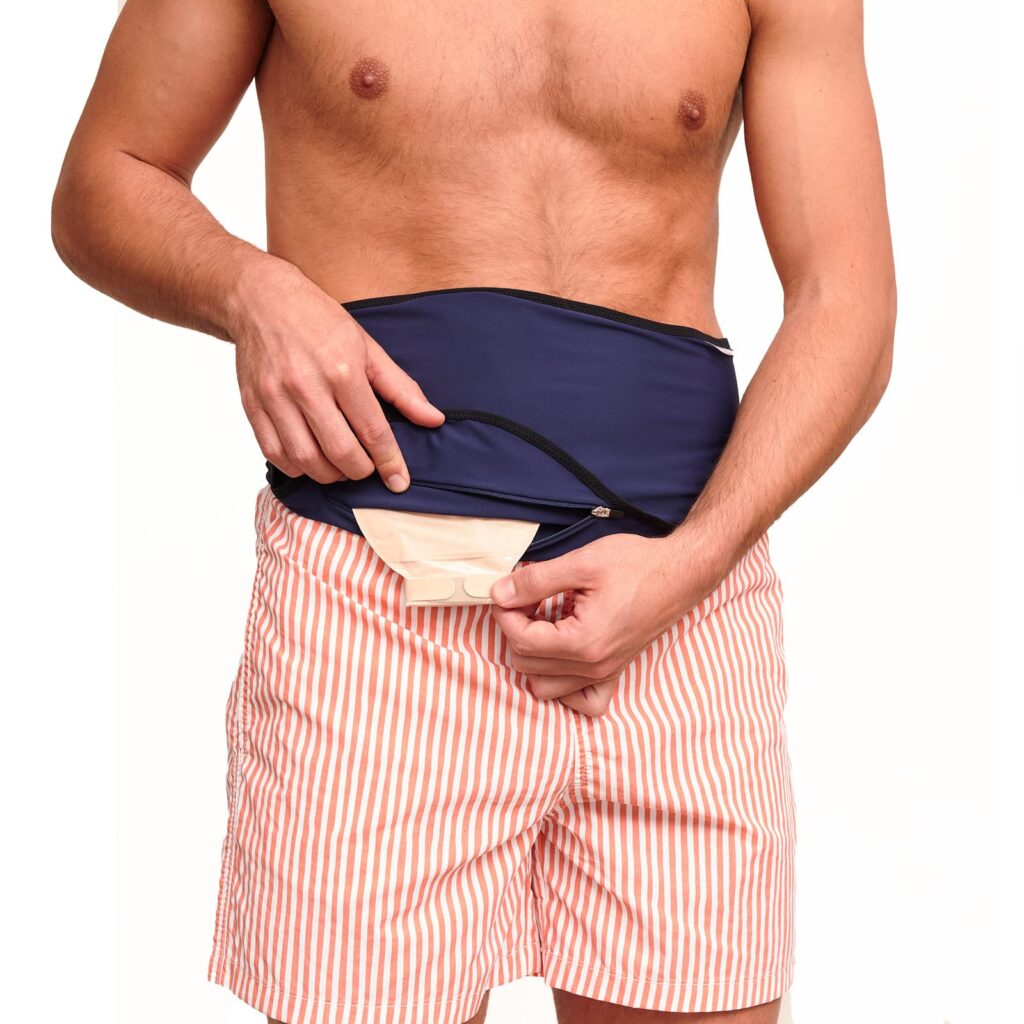
Support garments may help ease abdominal pressure as tissue heals. Many patients use Ostomy Support Underwear, SIIL Ostomy Belts, or Stoma Protectors for comfort during activity.
Many people begin with soft, low-fiber foods and gradually introduce a wider range of meals. Simple dishes such as rice, bananas, eggs, and broth are often well tolerated early on.
Hydration is essential, particularly for patients who previously experienced high-output stomas. Drinking water consistently and adding electrolytes when needed helps stabilize digestion.
Listening to your body's response helps refine what works best during life after colostomy reversal. Some foods may temporarily cause gas or irregularity but become easier to manage over time.
Fatigue is normal during the first several weeks. As strength returns, gentle movement—such as slow walking—supports circulation and helps rebuild stamina.
Even when the reversal is anticipated, adjusting emotionally takes time. Confidence increases as bowel patterns stabilize and daily routines become more predictable.
Connecting with patient communities can offer reassurance. These conversations often provide the most relatable insight into life after colostomy reversal from a lived-experience perspective.
Many patients notice meaningful improvement over several months. For some, full stabilization may take longer, especially if the bowel required extensive healing or adaptation.
Although most symptoms improve gradually, new or severe pain, swelling, fever, or persistent difficulty passing stool should be evaluated. These signs may indicate complications requiring attention.
Routine follow-up with your care team ensures that progress aligns with expectations and supports a positive transition into life after colostomy reversal.
Most people experience progressive improvement within several weeks, with stability increasing over the following months.
Yes. Many patients experience temporary urgency or increased frequency during early recovery.
Light, simple meals and consistent hydration often help stabilize digestion.
Most daily activities resume gradually. Strenuous tasks or heavy lifting may require clearance from your surgeon.
More detailed guidance is available at the SIIL Ostomy Reversal Hub.
Why SIIL Ostomy Belt Is the Best Ostomy Belt 🔥

Leading Ostomy Bag Covers | Comfort, Support & Top Medical

1 Piece Drainable Ostomy Pouches: 2025 Guide for Comfort &