FREE DELIVERY IN USA OVER $120
We Are Covered by Insurances & Medicare
FREE DELIVERY IN UK / EUROPE OVER $100


Ostomy reversal is an important milestone for many people who have been living with a temporary ileostomy or colostomy. However, even though reversals are common, it is essential to understand the main ostomy reversal risks before committing to surgery. The bowel must readjust, the abdominal wall must heal, and the body goes through a significant transition period.
This guide outlines the most important ostomy reversal risks, based on medical insights from the Mayo Clinic, Cleveland Clinic, and the United Ostomy Associations of America. For detailed preparation guidance, the SIIL Ostomy Reversal Hub provides step-by-step resources: Ostomy Reversal Support Center.
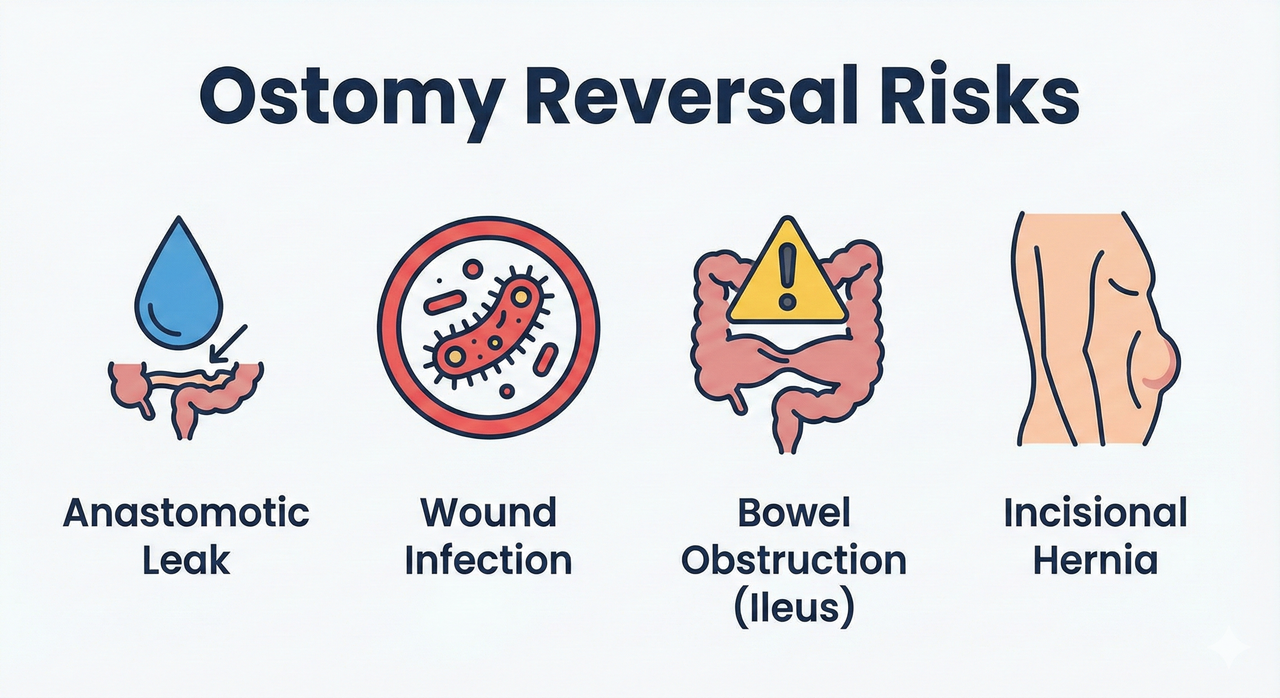
The most common ostomy reversal risks include infection, bowel obstruction, slow bowel regulation, leakage at the reconnection site, and dehydration. These risks vary depending on the type of ostomy, how long it has been in place, and the patient's overall health.
According to the Cleveland Clinic, minor complications occur in up to 30% of reversals, while serious complications are less common. Proper preparation and postoperative care significantly reduce the risk of complications.
More detailed pre-surgery considerations can be found here: Pre-Reversal Checklist.
An anastomotic leak is one of the most serious ostomy reversal risks. Symptoms may include fever, severe abdominal pain, rapid heart rate, or signs of infection. Though rare, leaks require immediate medical attention.
Surgeons perform imaging studies before surgery, assess bowel healing, and ensure no inflammation remains. Healthy tissue and good nutritional status significantly lower the chance of leakage.
Infection around the site where the stoma was closed is among the more frequent ostomy reversal risks. Most infections are mild and respond to antibiotics or proper wound care.
Keeping the incision clean, avoiding strenuous activity, and monitoring the wound for redness or discharge are essential. SIIL’s guide provides additional aftercare steps: Post-Reversal Care Tips.
Scar tissue (adhesions) can narrow or block parts of the intestine. This ostomy reversal risk may occur shortly after surgery or later during recovery.
Severe bloating, vomiting, abdominal pain, and inability to pass gas or stool. Medical evaluation is required promptly if these symptoms appear.
After reversal, it is common to experience loose stools, urgency, gas, or unpredictable bowel moments. The bowel may take weeks or months to fully regulate.
Yes. Gradual dietary changes, hydration, and pelvic floor strengthening can support recovery. Supportive garments such as ostomy underwear and stability belts can also help during this adjustment period.
The bowel needs time to reabsorb fluids effectively. This makes dehydration one of the key ostomy reversal risks, especially for former ileostomy patients.
Frequent electrolyte fluids, monitoring urine color, and avoiding diuretics early after surgery. More hydration support resources: Hydration Guidance.
Temporary leakage, urgency, and minor accidents are among the more common ostomy reversal risks. Pelvic floor exercises significantly help restore control.
Most patients notice improvement within weeks, though some require several months of bowel retraining.
Spicy foods, high-fiber meals, carbonated drinks, and dairy often trigger symptoms early in recovery. These diet-related ostomy reversal risks usually improve over time.
Slowly, one food at a time, while monitoring reactions. Recipes and dietary guidance are available here: Diet After Reversal.
Some risks, such as bowel irregularity, are common. Serious complications like leaks are less frequent but important to monitor.
Most patients experience improvement within weeks, with full stabilization taking months.
No, but it is common. Sensitivities usually improve as bowel function normalizes.
Follow medical guidance, hydrate well, adjust diet, and consult the SIIL reversal resources: Ostomy Reversal Support.
The SIIL Ostomy Reversal Hub provides full guidance, preparation steps, and recovery tools: Visit the Reversal Center.

7 Life-Changing Ostomy Bag Cover Benefits You’ll Notice Immediately (2025


Equipment Needed to Change a Stoma Bag, Complete Guide for