FREE DELIVERY IN USA OVER $120
We Are Covered by Insurances & Medicare
FREE DELIVERY IN UK / EUROPE OVER $100


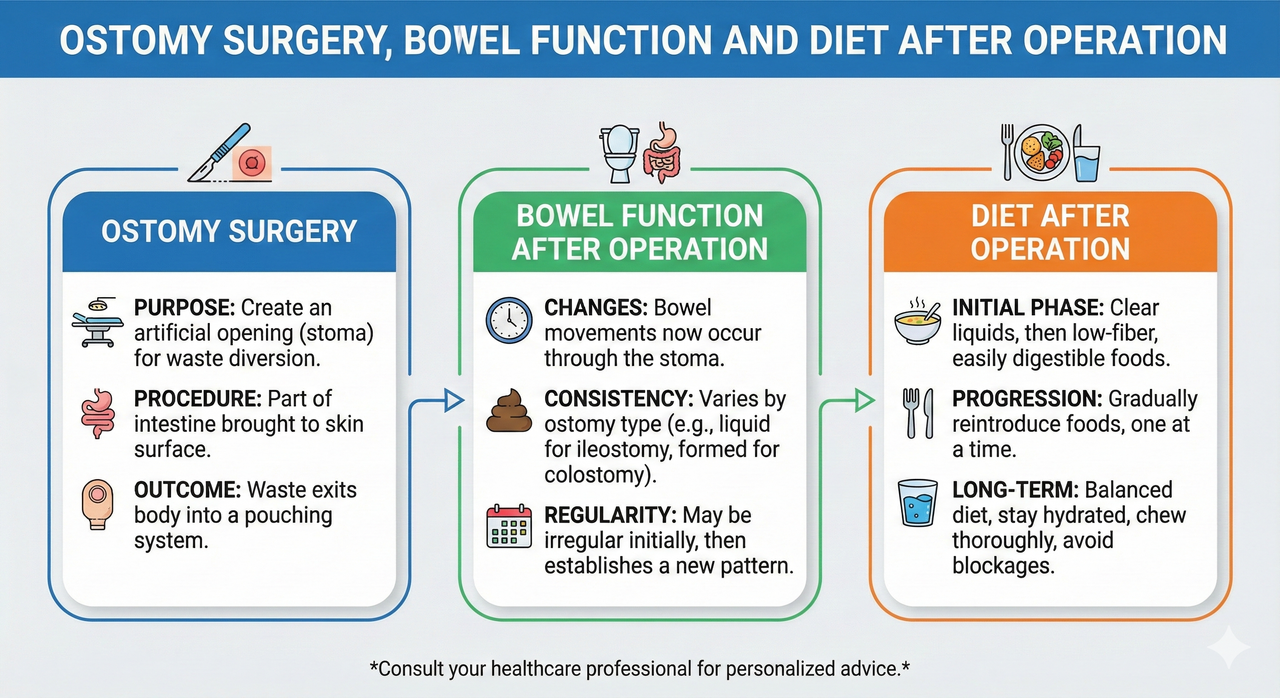
Ostomy Surgery, Bowel Function and Diet are closely linked during recovery after bowel surgery. When part of the digestive system is diverted, the body needs time to adapt, both physically and emotionally.
In the early weeks after surgery, changes in digestion, stool consistency, and appetite are completely normal. Understanding what to expect helps reduce fear and allows patients to take an active role in recovery.
With proper medical guidance, dietary adjustments, and support products, most people regain confidence and comfort in daily life.
Colostomy surgery is performed when part of the colon can no longer safely pass waste. During the operation, a healthy section of bowel is brought through the abdominal wall to create a stoma.
This allows stool to exit the body without passing through the damaged or healing portion of the bowel.
The surgeon removes or bypasses the affected area, carefully positions the bowel through the abdomen, and secures it to the skin. Once the stoma is formed, a pouching system is fitted to collect waste safely.
Recovery begins immediately after surgery, with hospital staff monitoring bowel output, hydration, and wound healing.
Detailed medical guidance is available from the NHS: https://www.nhs.uk/conditions/colostomy/
What happens to the anus depends on the type of surgery performed. In temporary procedures, the rectum often remains in place and may still produce mucus.
In permanent cases, the rectum and anus may be removed entirely. This is done to prevent disease recurrence and improve long-term health.
After surgery, stool no longer passes through the anus. Instead, waste exits through the stoma into a pouch.
Some people notice sensations similar to needing the toilet, especially early on. These sensations usually decrease as the body adjusts.
Diet is one of the most important factors influencing comfort after surgery. The bowel is sensitive during healing, and food choices can affect gas, output consistency, and energy levels.
A gradual, structured approach to eating supports recovery and helps prevent complications.
A low fibre diet reduces mechanical stress on the bowel. It lowers the risk of blockage and allows the digestive system to rest while healing occurs.
This approach is commonly recommended by healthcare teams in the first phase of recovery.
Additional guidance can be found through NHS resources: https://www.nhs.uk/conditions/ileostomy/
Simple meals often include white rice, pasta, eggs, yogurt, lean poultry, smooth soups, and white toast. These foods are gentle on digestion and easy to absorb.
Eating smaller meals more frequently can also help reduce bloating and discomfort.
Commonly well-tolerated foods include bananas, peeled apples, mashed potatoes, refined cereals, and tender meats. Each person responds differently, so tolerance should be monitored individually.
As healing progresses, fibre can be reintroduced slowly. Adding one new food at a time makes it easier to identify triggers.
Hydration is equally important, as fluid balance can change after bowel surgery.
Further clinical explanations are available from the Mayo Clinic: https://www.mayoclinic.org/tests-procedures/colostomy
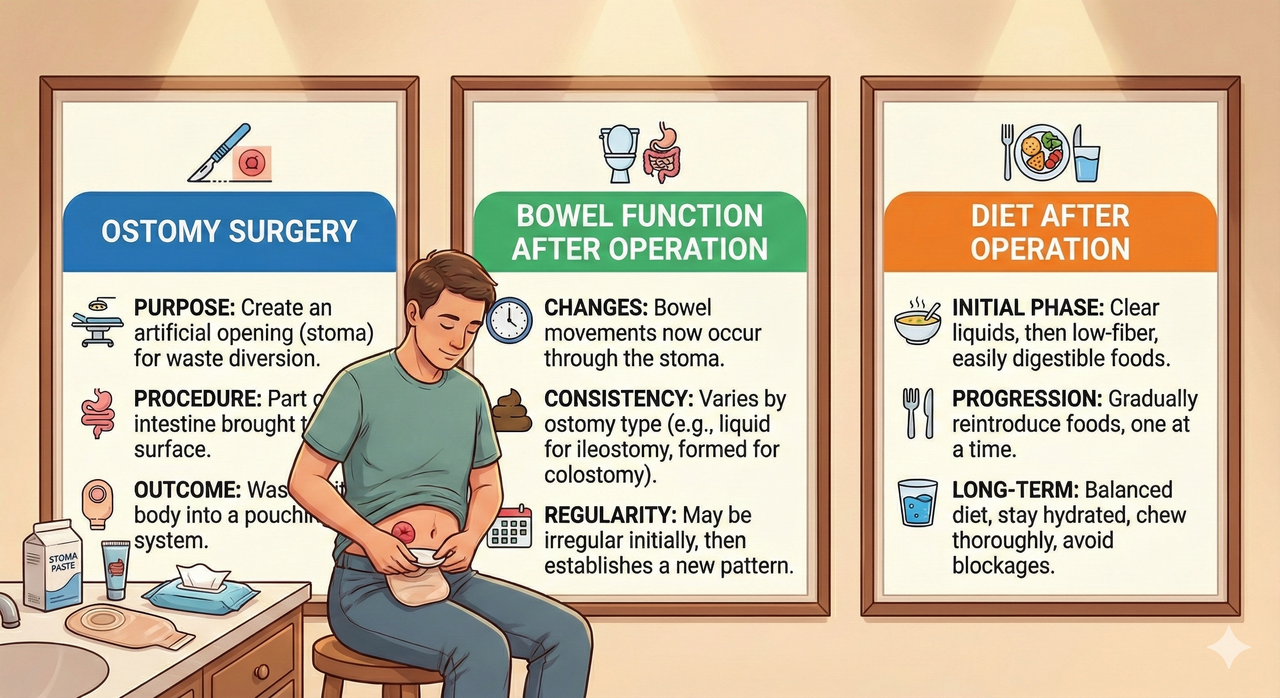
The surgeon diverts a healthy section of colon through the abdomen to create a stoma, allowing waste to exit safely.
The anus may remain inactive or be surgically removed, depending on the underlying condition.
No. Stool passes through the stoma into a pouch rather than through the anus.
It reduces strain on the bowel and helps prevent blockages during early healing.
Many people follow it for several weeks, then transition gradually with medical guidance.
Explore supportive recovery options here: ostomy belt support options
Compare dietary differences here: ileostomy vs colostomy diet

Urostomy Guide 2025: Care, Diet, Lifestyle & Confidence Urostomy Guide
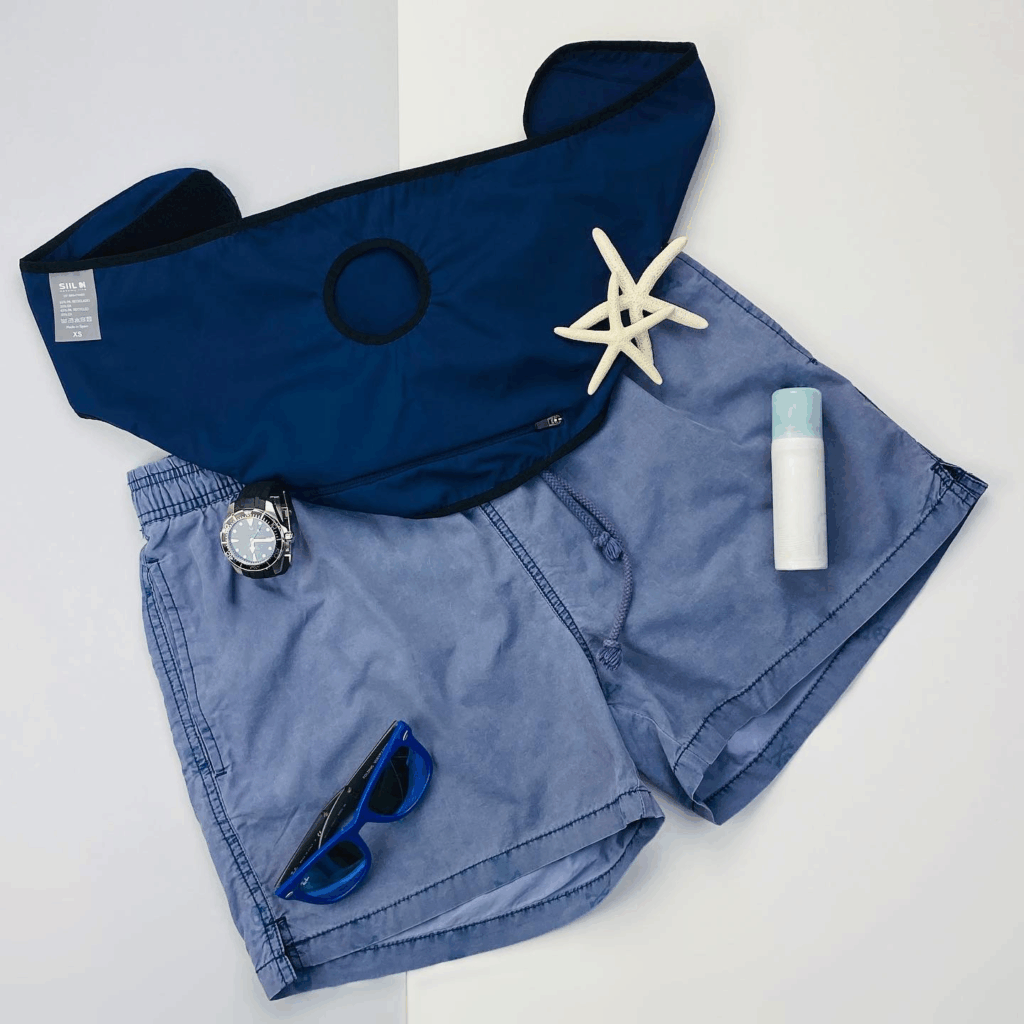
Premium Ostomy Bag Covers | Soft, Breathable & Discreet Support