FREE DELIVERY IN USA OVER $120
We Are Covered by Insurances & Medicare
FREE DELIVERY IN UK / EUROPE OVER $100


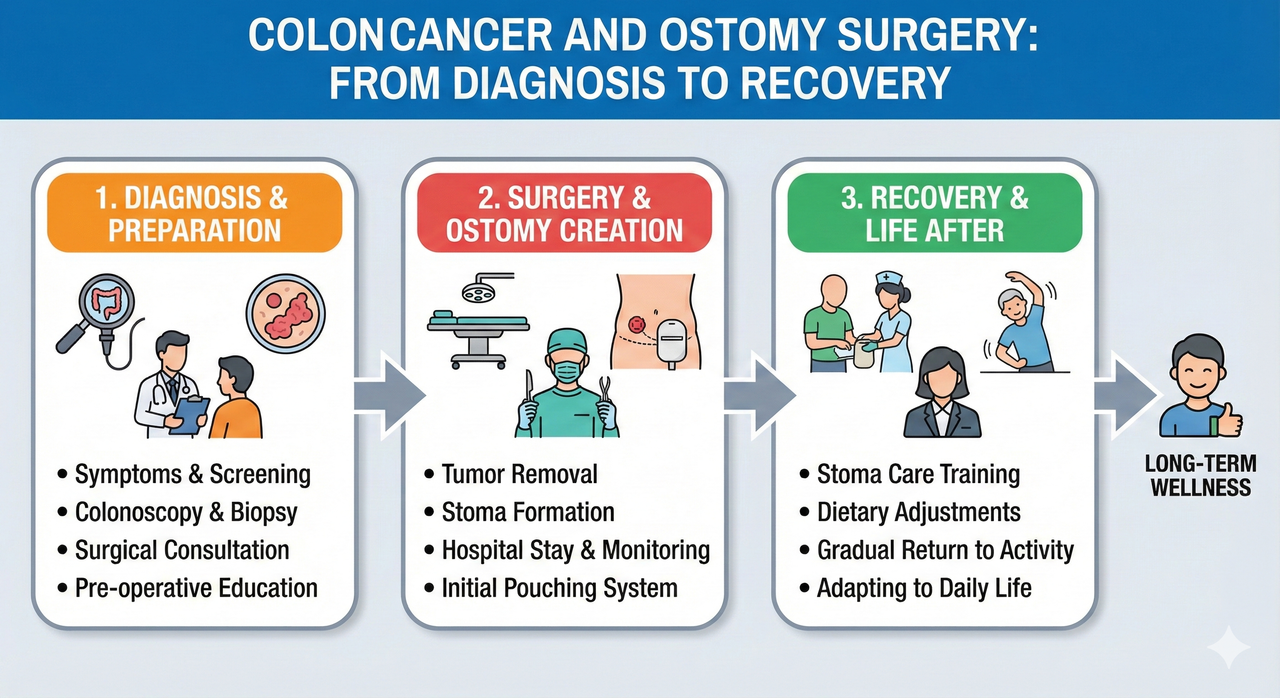
Colon Cancer and Ostomy Surgery are closely linked for many patients facing advanced or complicated colorectal cancer. While not everyone with colon cancer will need an ostomy, surgery can sometimes be the safest and most effective treatment.
Understanding Colon Cancer and Ostomy Surgery helps patients and families prepare for diagnosis, treatment decisions, recovery, and life after surgery.
Colon cancer develops when abnormal cells grow in the large intestine. Symptoms often develop gradually and may be mistaken for other digestive issues.
Common symptoms include changes in bowel habits, blood in stool, unexplained weight loss, fatigue, abdominal pain, and anemia.
According to the NHS, risk factors include age, family history, inflammatory bowel disease, smoking, obesity, and diet: https://www.nhs.uk/conditions/bowel-cancer/
Colon Cancer and Ostomy Surgery become necessary when cancer blocks the bowel, damages surrounding tissue, or requires removal of part of the colon.
An ostomy may be created to allow waste to exit the body safely when normal bowel function is disrupted by cancer or surgery.
A colostomy may be temporary or permanent depending on the location of the tumor, the stage of cancer, and how much bowel must be removed.
In colorectal cancer, ostomies are sometimes used to protect healing tissue after surgery or when reconnection of the bowel is not possible.
Surgery is one of the most common treatments for colon cancer and may be combined with chemotherapy or radiation.
Surgical options include partial colectomy, total colectomy, laparoscopic surgery, and open surgery depending on cancer stage.
Medical guidance from the Mayo Clinic explains these procedures: https://www.mayoclinic.org/diseases-conditions/colon-cancer
Before surgery, patients may undergo imaging, blood tests, bowel preparation, and consultations with the surgical team.
Hospital stays range from several days to over a week depending on the procedure and complications.
Early recovery focuses on wound care, pain management, gradual movement, and ostomy education if applicable.
Physical recovery can take several weeks to months. Fatigue is common, and activity should increase gradually.
Emotional recovery is just as important. Support groups, counseling, and peer connections can help patients adjust.
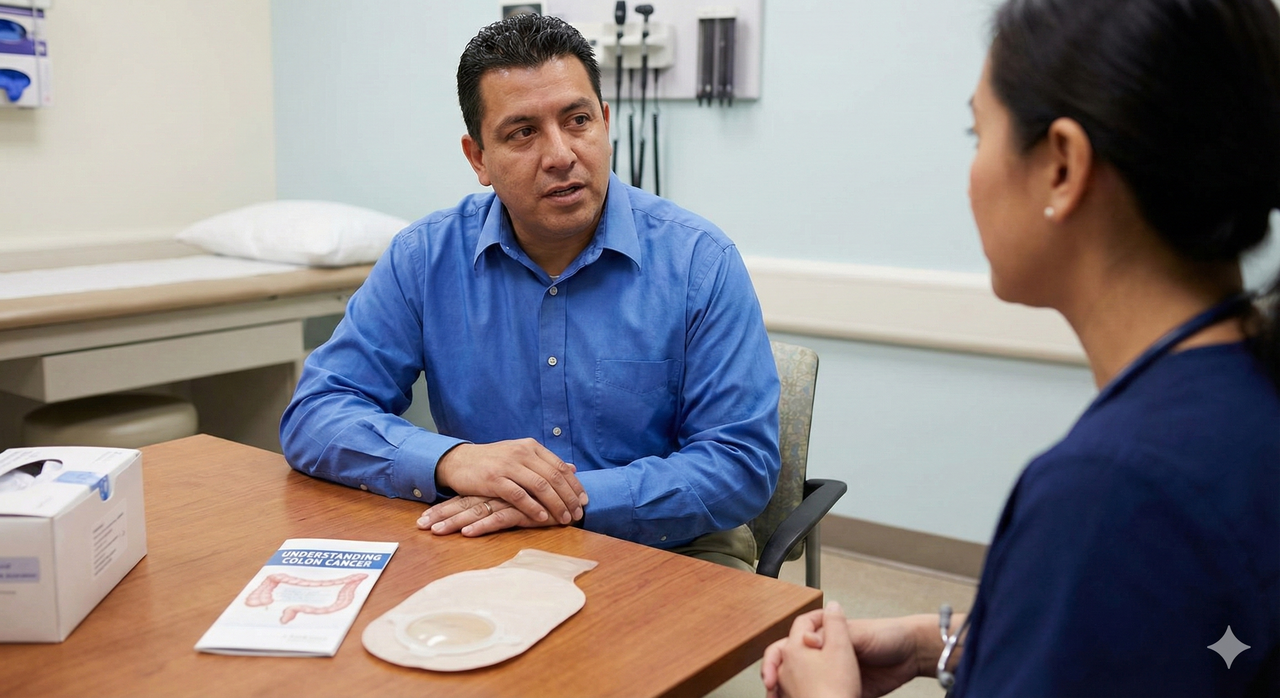
Survival rates depend on cancer stage, overall health, and treatment response.
According to Cancer Research UK, early-stage colorectal cancer has a high survival rate: https://www.cancerresearchuk.org/about-cancer/bowel-cancer/survival
Many patients live long, fulfilling lives after colon cancer surgery, especially when cancer is detected early.
Yes. Many people return to work, exercise, travel, and social life after recovery.
Patient stories and survivor networks provide encouragement and practical advice during recovery.
Follow-up care includes regular scans, blood tests, and colonoscopies to monitor recovery and recurrence.
Patients may experience changes in digestion, energy levels, and bowel habits that improve over time.
No. Many people with colon cancer do not need a colostomy. An ostomy is only required in certain surgical cases.
Recovery typically takes several weeks, with full recovery sometimes taking a few months.
Common types include partial colectomy, total colectomy, laparoscopic surgery, and open surgery.
Survival rates are high when colorectal cancer is detected early and treated promptly.
Yes. Many people live normal, active lives after recovery.
Check-ups are typically scheduled every few months initially and then yearly, depending on individual risk.
Explore ostomy support products here: ostomy belt support options

Editor’s Choice Ostomy Supplies: Top 2025 Picks for Comfort &

Best Ostomy Bags to Prevent Leakage, Expert Tips for a

Prevention is key in stoma care, but sometimes complications arise