

 ES
ES EN
EN GB
GB DE
DE FR
FRNo products in the cart.

Crohn’s, Ulcerative Colitis, Diverticulitis and Ostomy Bags, Causes, Surgery and Life After
Crohn’s, Ulcerative Colitis, Diverticulitis and Ostomy Bags are closely connected topics for people living with inflammatory bowel disease and chronic digestive conditions.
When inflammation, infection, or bowel damage becomes severe, surgery may be required, leading to the need for an ostomy bag. Understanding how Crohn’s, Ulcerative Colitis, Diverticulitis and Ostomy Bags are linked helps patients feel informed and prepared.
What conditions can lead to an ostomy bag?
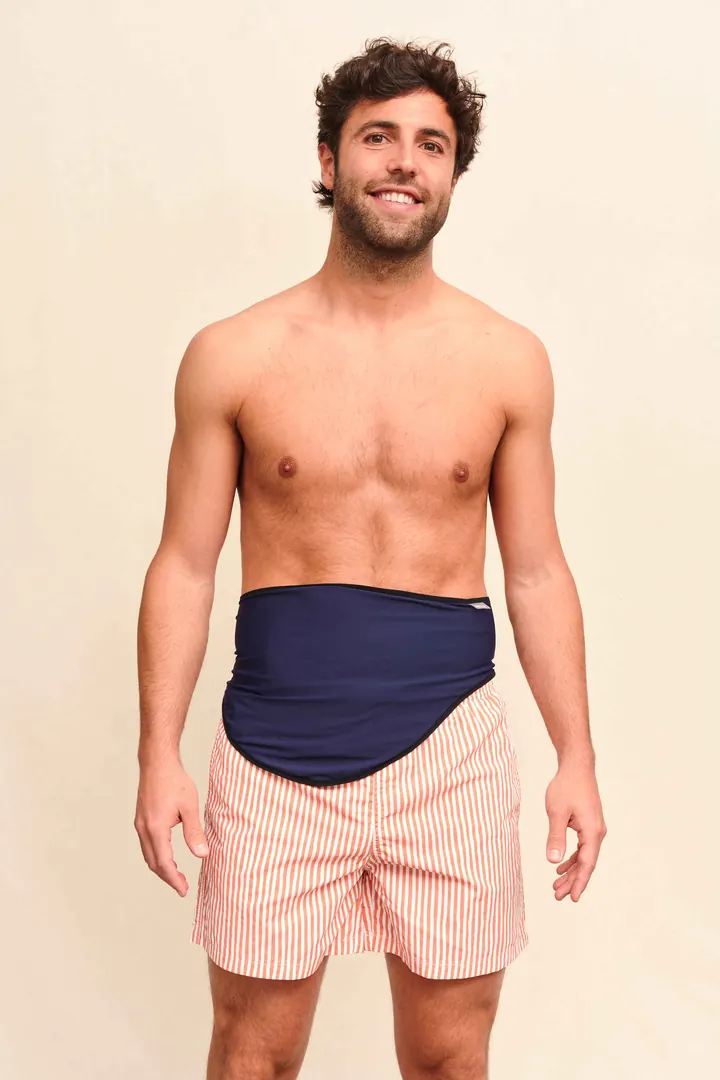 Ostomy BeltHernia support & leak prevention. Trusted by 50,000+ ostomates worldwide.Discover →
Crohn’s, Ulcerative Colitis, Diverticulitis and Ostomy Bags are often discussed together because all three conditions can damage the bowel to the point where waste can no longer pass safely.
Medical guidance from the NHS explains how inflammatory bowel disease can require surgical intervention: https://www.nhs.uk/conditions/crohns-disease/
Colostomy bag causes in Crohn’s, Ulcerative Colitis, Diverticulitis and Ostomy Bags
Common colostomy bag causes include severe inflammation, bowel perforation, obstruction, infection, or removal of damaged bowel tissue during surgery.
Free guide · A gift from SIIL
The SIIL Ostomy Diet Guide — yours, free
Practical information on food and hydration for everyday life with a stoma.
Prefer it as a PDF in your inbox? Get it by email.
Diverticulitis and ostomy
Diverticulitis is a common reason people research Crohn’s, Ulcerative Colitis, Diverticulitis and Ostomy Bags. Severe diverticulitis can result in life-threatening complications.
When diverticulitis may require a colostomy
A colostomy may be required if diverticulitis causes perforation, abscess formation, peritonitis, or repeated infections.
Clinical information from the Mayo Clinic explains these surgical decisions: https://www.mayoclinic.org/diseases-conditions/diverticulitis
Recovery and long-term outlook
Many diverticulitis-related ostomies are temporary. Once the bowel heals, reversal surgery may be possible, allowing patients to return to normal digestive function.
Crohn’s disease and ostomy
Crohn’s disease can affect any part of the digestive tract and is a major contributor to Crohn’s, Ulcerative Colitis, Diverticulitis and Ostomy Bags.
Why Crohn’s disease can lead to surgery
Surgery may be necessary due to strictures, fistulas, abscesses, bowel obstruction, or ongoing inflammation that does not respond to medication.
Trusted guidance is available from the Crohn’s & Colitis Foundation: https://www.crohnscolitisfoundation.org/
Living with an ostomy and Crohn’s
Many people experience improved quality of life after surgery, including reduced pain, fewer hospital admissions, and improved energy levels.

Ulcerative colitis and ostomy
Ulcerative colitis affects the lining of the colon and rectum and is another reason patients search for information on Crohn’s, Ulcerative Colitis, Diverticulitis and Ostomy Bags.
Do people with colitis need a colostomy bag?
Not everyone with ulcerative colitis requires surgery. However, severe or treatment-resistant cases may require removal of the colon.
Do people with ulcerative colitis get colostomy bags?
Yes, some patients do, either temporarily or permanently, depending on disease severity and surgical outcomes.
Ulcerative colitis colostomy bag
A colostomy bag allows waste to exit the body safely and eliminates inflammation caused by a diseased colon.
Ostomy bags for ulcerative colitis
Modern ostomy bags are discreet, secure, and designed to support everyday life including work, travel, and physical activity.
Can you live a long life with an ostomy bag after IBD surgery?
Yes. People living with Crohn’s, Ulcerative Colitis, Diverticulitis and Ostomy Bags can live long, healthy, and active lives with proper medical care and support.
Questions to ask your gastroenterologist and surgeon
- Is my ostomy temporary or permanent?
- What type of ostomy will I have?
- What is the recovery timeline?
- What lifestyle changes should I expect?
- What support products are recommended?
Frequently Asked Questions
Do all people with ulcerative colitis eventually need a colostomy bag?
No. Many people manage symptoms without surgery.
Can Crohn’s disease be treated without an ostomy?
Yes. Surgery is usually reserved for complications.
What are the main causes of needing a colostomy bag?
Severe inflammation, obstruction, perforation, cancer, or trauma.
Can you live a long life with an ostomy bag after IBD surgery?
Yes. Life expectancy is not reduced.
Is an ostomy for diverticulitis always permanent?
No. Many diverticulitis ostomies are temporary.
Explore ostomy support products here: ostomy belt support options
Keep reading
More from the SIIL journal

Ostomy life & care library
Hartmann’s Procedure: Why It’s Done, Life With the Colostomy, and Reversal
Hartmann's procedure explained: why it's done for diverticulitis and emergencies, life with the end colostomy, recovery, and when …
9 min read

Ostomy life & care library
J-Pouch vs Ileostomy: How People Choose and What Life Looks Like With Each
J-pouch vs permanent ileostomy: how J-pouch surgery works, the stages, bathroom trips, pouchitis, who is a candidate, and what dai…
11 min read

Ostomy life & care library
Retracted Stoma: Why It Happens, How to Stop the Leaks and Live Comfortably
A retracted stoma explained: why it happens, how convex pouches, seals and belts help stop leaks, when to call your nurse and what…
12 min read

Welcome offer
Join the SIIL family.
Get 20% off your first order.
Stories, tips and exclusive drops — once a month, never spam. Your code lands in your inbox the moment you subscribe.
By subscribing you accept our privacy policy. Unsubscribe in one click, anytime.
Welcome — check your inbox for the code.
$52.99
$44.99
$92.99
$41.99
$44.99
$44.99
$41.99
$44.99
$72.99
$41.99
$44.99
$52.99