Stoma Care

Stoma care is an essential part of daily life for people who have undergone surgery to create a stoma.

Taking proper care of the stoma not only helps to prevent infections and skin irritation, but also improves comfort and confidence in daily activities.

It involves gentle cleaning around the stoma, using the right type of pouching system, and changing it regularly to maintain hygiene.

By following a good routine, patients can avoid leakage, odors, and skin problems, ensuring that the stoma area stays healthy.

Another important aspect of stoma care is choosing products that fit well and suit your lifestyle.

Barrier creams, adhesive removers, and protective wipes can make the process easier and protect the skin around the stoma.

Consulting with a stoma nurse or healthcare professional is also highly recommended, as they can provide guidance on the best techniques and products.

With the right knowledge and tools, people can live a full and active life, managing their stoma with confidence and independence.

Comprehensive Guide to Stoma Nursing and Stoma Care

SOINS DE LA STOMIE

What Is Stoma Care?

Stoma care refers to the daily management and maintenance of a surgically created opening in the abdomen, called a stoma. This opening allows waste to leave the body when part of the bowel or urinary system is not functioning normally. Proper stoma care is essential to prevent infections, protect the skin, and support overall well-being.

Stoma patients must learn how to clean the stoma area gently, choose the right pouching system, and change it regularly. With consistent care, individuals can avoid leakage, odors, and irritation, ensuring that the stoma remains healthy.

The Role of Stoma Nursing

Stoma nursing plays a vital role in helping patients adjust to life with a stoma. A stoma nurse provides education, emotional support, and hands-on guidance on stoma care techniques. These nurses also assist patients in finding the most suitable products, ensuring that the pouching system fits comfortably and securely.

In addition, stoma nurses monitor the stoma site for signs of infection, skin irritation, or other complications. Their ongoing support helps patients build confidence and independence in managing their stoma.

Essential Products for Stoma Care

Successful stoma care depends on choosing the right products. Pouching systems come in different sizes and styles to meet individual needs. Barrier creams, adhesive removers, and protective wipes can reduce discomfort and protect the surrounding skin.

Using high-quality stoma care supplies makes daily management easier and more reliable. A stoma nurse can recommend specific products tailored to a patient’s lifestyle and preferences.

Tips for Effective Stoma Care

Daily routines are key to maintaining stoma health. Cleaning the area with warm water, avoiding harsh soaps, and checking the skin for irritation are simple but important steps. Regularly changing the pouching system also prevents leakage and odors.

Patients should not hesitate to seek professional advice whenever they notice unusual changes. Stoma nurses can provide expert guidance and reassurance, helping patients stay comfortable and confident.

Living Confidently With a Stoma

Adapting to life with a stoma can be challenging at first, but with the right care and support, it is possible to live fully and actively. Education, practice, and guidance from stoma nursing professionals make the transition easier.

With proper stoma care, individuals can enjoy a normal lifestyle, participate in social activities, and regain independence. The combination of medical support and personal confidence is the foundation for long-term well-being.

What Is Stoma Care?

Stoma care refers to the daily management and maintenance of a surgically created opening in the abdomen, called a stoma. This opening allows waste to leave the body when part of the bowel or urinary system is not functioning normally. Proper stoma care is essential to prevent infections, protect the skin, and support overall well-being.

What is Stoma Nursing?

Stoma nursing focuses on the care, management, and education of patients with a stoma. A stoma is a surgically created opening on the abdomen that allows waste products to leave the body when the normal route is not possible.

Stoma nurses provide ongoing clinical support, ensure patients are confident in using appliances, and monitor for complications such as infections, skin irritation, or stoma blockages. Their role is not limited to hospital care—they also guide patients at home and connect them with ostomy associations for long-term support.

What is Stoma Care Nursing?

Stoma nursing focuses on the care, management, and education of patients with a stoma. A stoma is a surgically created opening on the abdomen that allows waste products to leave the body when the normal route is not possible.

Stoma nurses provide ongoing clinical support, ensure patients are confident in using appliances, and monitor for complications such as infections, skin irritation, or stoma blockages. Their role is not limited to hospital care—they also guide patients at home and connect them with ostomy associations for long-term support.

What is the Procedure for a Stoma?

The procedure for a stoma is a surgical operation where an opening is created in the abdomen to allow waste, such as stool or urine, to leave the body. This is usually necessary when part of the digestive or urinary system is not working properly due to illness, injury, or surgery.

During the procedure, the surgeon brings a section of the intestine or urinary tract through the abdominal wall to form the stoma. The stoma itself does not have nerve endings, so it is not painful, but it requires ongoing care after surgery.

There are different types of stomas, including colostomy, ileostomy, and urostomy. The exact type depends on the medical condition and which part of the system needs to be diverted.

After the stoma procedure, patients are usually fitted with a pouching system to collect waste. Stoma nurses provide essential guidance on how to care for the stoma, change the pouch, and prevent complications. With the right care, most patients adapt well and continue to live active lives.

Surgical Formation of a Stoma

A stoma is created during surgery when part of the bowel is brought through the abdominal wall. The type of stoma depends on the condition being treated, the section of bowel used, and whether it is temporary or permanent.

Post-Operative Care

After surgery, patients are monitored for healing, stoma activity, and fluid balance. Pain management, nutritional support, and wound care are essential. The stoma is assessed for its color, shape, protrusion, and surrounding skin condition to identify potential complications early.

Common Procedures in Stoma Care

  • Bag application and removal
  • Skin protection with barrier creams or powders
  • Measuring stoma output
  • Education sessions with patients and caregivers

How Do You Take Care of a Stoma?

Taking care of a stoma is a vital part of daily life after surgery. Proper stoma care helps prevent infection, protects the skin, and ensures that the pouching system works effectively. A good care routine also gives patients more confidence and comfort in their everyday activities.

Taking care of a stoma is a vital part of daily life after surgery. Proper stoma care helps prevent infection, protects the skin, and ensures that the pouching system works effectively. A good care routine also gives patients more confidence and comfort in their everyday activities.

Daily Stoma Management

Good stoma care requires regular observation and gentle cleaning of the area around the stoma. Appliances should be emptied when one-third full to avoid leaks. Patients are encouraged to use lukewarm water or recommended wipes, avoiding harsh soaps that may irritate the skin.

Preventing Skin Irritation Around Stoma

The skin around the stoma, called peristomal skin, must stay healthy. Nurses often recommend protective powders, adhesive removers, or hydrocolloid seals to prevent breakdown and leakage.

Identifying Complications Early

The skin around the stoma, called peristomal skin, must stay healthy. Nurses often recommend protective powders, adhesive removers, or hydrocolloid seals to prevent breakdown and leakage.

What are the Three Types of Stoma?

There are several types of stomas depending on the bowel segment used. The three main types are:

Colostomy

A colostomy uses part of the large intestine. Output is usually more solid and formed.

Ileostomy

An ileostomy uses the small intestine. Output is liquid and contains digestive enzymes, which can irritate the skin if not managed properly.

Urostomy

A urostomy diverts urine through the abdomen when the bladder is removed or bypassed. Unlike bowel stomas, it involves a continuous flow of urine.

The Role of a Stoma Nurse

Stoma Care Nursing

A stoma nurse plays a crucial role in helping patients adjust to life after stoma surgery. These specialized nurses provide education, guidance, and emotional support, ensuring that patients feel confident in managing their stoma care. They are often the first point of contact after surgery and remain a key source of ongoing support.

One of the main responsibilities of a stoma nurse is teaching patients how to care for their stoma properly. This includes cleaning techniques, fitting the right pouching system, and preventing skin irritation or infection. By offering hands-on demonstrations and advice, stoma nurses help patients develop the skills needed for independent care.

In addition to practical training, stoma nurses also provide emotional support. Adapting to a stoma can be challenging, and patients often feel anxious or overwhelmed. A stoma nurse offers reassurance, answers questions, and provides resources that make the transition easier.

Stoma nurses also work closely with healthcare teams to monitor the patient’s recovery, adjust care plans, and recommend suitable stoma care products. Their ongoing involvement ensures that patients maintain good health, avoid complications, and live comfortably with their stoma.

If your stoma bag keeps filling with air, it may be due to swallowed air, fizzy drinks, or high-fibre foods. Eating mindfully and avoiding chewing gum can significantly reduce this.

Identifying Complications Early

Chewing gum, drinking through straws, or eating too fast increases swallowed air, which then collects in your bag.

Stoma nurses teach patients and families how to manage ostomy appliances, change pouches, and recognize complications early. They also advise on ostomy-friendly garments that prevent discomfort and pouch visibility.

👉 For example, many stoma nurses recommend the SIIL Ostomy Belt for daily support. This belt helps keep the pouch secure, reduces the risk of leaks, and allows patients to wear their favorite clothes with confidence. Alongside belts, nurses also suggest wrapshigh-waisted underwear, and adaptive sportswear for extra security and discretion.

Finding the Best Stoma Care Near Me

Recovering from stoma surgery brings both physical and emotional challenges. One of the most important steps you can take is finding reliable stoma care near me, as local support ensures faster healing, fewer complications, and greater peace of mind. With the right guidance from stoma care nurses and clinics, you can learn how to manage your stoma with confidence and return to a more comfortable daily routine.

Top 10 Ostomy Home Care Websites and Resources

These sites were selected based on their credibility, patient-centric content, and focus on practical home care tips, drawn from expert recommendations and community feedback as of 2025. They include non-profits, medical associations, and manufacturer-supported portals, all offering free tools like guides, videos, and forums. Below are the resources with direct links for easy copying.

  1. United Ostomy Associations of America (UOAA)uostomy.org
    A cornerstone for peer support, UOAA connects users to over 275 local groups and a Virtual Ostomy Clinic for non-emergency Q&A. Download brochures on skin care and travel tips for seamless home management.

  2. Colorectal Cancer Alliance – colorectalcancer.org
    Tailored for ostomy patients post-cancer treatment, this site features ASCO-endorsed guides on emotional coping and daily routines, plus a helpline for personalized advice.

  3. Ostomy 101ostomy101.com
    An all-in-one hub for surgery prep and home skills, with free classes on pouching, odor control, and intimacy. Ideal for beginners seeking video tutorials and supply checklists.

  4. American College of Surgeons (ACS)facs.org
    Their “Ostomy Home Skills Program” walks through colostomy/ileostomy management, including problem-solving for leaks and diet adjustments—perfect for post-discharge independence.

  5. WOCN Society Patient Resourceswocn.org
    Curated by WOCN experts, this includes the “Ostomy Home Skills Program” and links to embracing life with an ostomy, focusing on continence and wound prevention at home.

  6. Crohn’s & Colitis Foundationcrohnscolitisfoundation.org
    IBD-specific tips from patients and providers on travel, clothing, and exercise with an ostomy, plus a community forum for real-world home care hacks.

  7. ConvaTec Ostomy Careconvatec.com
    From a leading pouch manufacturer, access product demos, skin barrier guides, and a “My Ostomy” app for tracking output and ordering supplies directly to your door.

  8. WoundSourcewoundsource.com
    A clinician-vetted library with top resources for ostomy nurses and patients, including evidence-based protocols for home wound care and supply management.

  9. Mayo Clinic Ostomy Resourcesmayoclinic.org
    Trusted medical insights on stoma care, nutrition, and complications, with printable guides for home monitoring and when to seek WOCN help.

  10. Respond Well (Inner Good USA/Canada Blogs) – respondwell.com / innergood.com
    Patient-driven blogs sharing real stories, recipes, and accessory reviews for daily living, emphasizing empowerment through community-shared home care strategies.

Benefits of Choosing Local Stoma Care

Faster access to professional support

Having a nearby clinic means you don’t need to travel long distances when you experience problems such as leakage, pain, or swelling. Immediate support can prevent complications from worsening.

Personalized education and product recommendations

Stoma care is not “one-size-fits-all.” Local professionals assess your lifestyle, activity level, and body shape to recommend the right products.

Emotional and psychological support

Adjusting to life with a stoma can feel overwhelming. Nearby care centers often provide counseling, group sessions, and one-on-one support to boost confidence.

Services Offered by Stoma Care Specialists

Appliance fitting and leakage prevention

Nurses ensure that your pouching system fits snugly, reducing the risk of leaks.

Skin care management around the stoma

Proper cleaning and use of barrier products help prevent rashes, itching, and infections.

Ongoing monitoring and complication prevention

Regular check-ups help detect issues early, giving you peace of mind that your recovery is on track.

How to Find Reliable Stoma Care Near Me

Hospitals and medical centers

Many hospitals have dedicated stoma nurses who specialize in post-surgical care.

Community health clinics and private practices

These may offer more personalized and flexible appointments, often closer to home.

Skin care management around the stoma

Websites and support groups can help you locate certified stoma specialists nearby.

Questions to Ask When Choosing a Stoma Care Provider

  • What qualifications do the nurses have?

  • Do they provide 24/7 or emergency support?

  • Are there educational sessions for long-term self-care?

  • Can they recommend the latest appliances and accessories?

FAQ:

Ostomy Care

1. What is stoma care and why is it important?

Stoma care refers to the daily cleaning, monitoring, and maintenance of a stoma (an opening on the abdomen created surgically to divert waste). Proper care is essential to prevent infection, skin irritation, leakage, and to ensure comfort and confidence in daily activities.

2. How often should I change my stoma bag?

Most people need to change their stoma pouching system every 3–5 days, but this can vary depending on the type of stoma, your skin condition, and the product you use. It’s best to change it before the bag is more than one-third full to avoid leaks.

3. How do I clean the skin around my stoma?

Use warm water and soft gauze or cloth to gently clean the skin. Avoid harsh soaps, alcohol, or wipes with fragrance, as these can irritate the skin. Always make sure the area is completely dry before applying a new pouch.

4. What should I do if the skin around my stoma becomes sore?

  • Redness, itching, or soreness may be a sign of leakage, irritation, or an allergic reaction to adhesives. Apply a barrier film to protect the skin, check for a proper pouch fit, and seek advice from a stoma care nurse if the problem persists.

5. Can I shower or swim with a stoma bag?

Yes! You can shower with or without your stoma bag depending on your comfort. Modern stoma bags are waterproof and secure, so you can also swim safely. Always check that your pouch is well-sealed before entering the water.

6. What foods should I avoid with a stoma?

There are no strict rules, but some foods can cause gas, odor, or blockages, such as beans, onions, fizzy drinks, nuts, sweetcorn, and popcorn. Introduce new foods slowly and drink plenty of fluids to aid digestion.

7. How do I prevent leaks from my stoma bag?

Ensure the pouch opening fits snugly around your stoma without gaps. Empty the bag when it’s one-third full, avoid heavy lifting that strains the abdomen, and use stoma support belts if recommended. If leaks persist, consult your stoma nurse for a reassessment.

8. Can I travel with a stoma?

  • Absolutely. Carry extra supplies, pack them in both hand luggage and checked baggage, and keep a travel certificate (often provided by stoma associations) for airport security checks. With preparation, you can travel confidently.

9. Will having a stoma affect intimacy?

It’s normal to feel self-conscious at first, but many people with stomas maintain fulfilling intimate relationships. Empty the pouch beforehand, consider using a smaller bag or pouch cover, and communicate openly with your partner.

10. Who can I contact if I have ongoing stoma problems?

If you notice persistent skin irritation, leakage, unusual stoma changes, or pain, contact your stoma care nurse, GP, or healthcare provider. Many hospitals also have dedicated stoma support groups and helplines.

If you have any questions about our products you can email us at Hola@siilostomy.com

Share this with a friend:

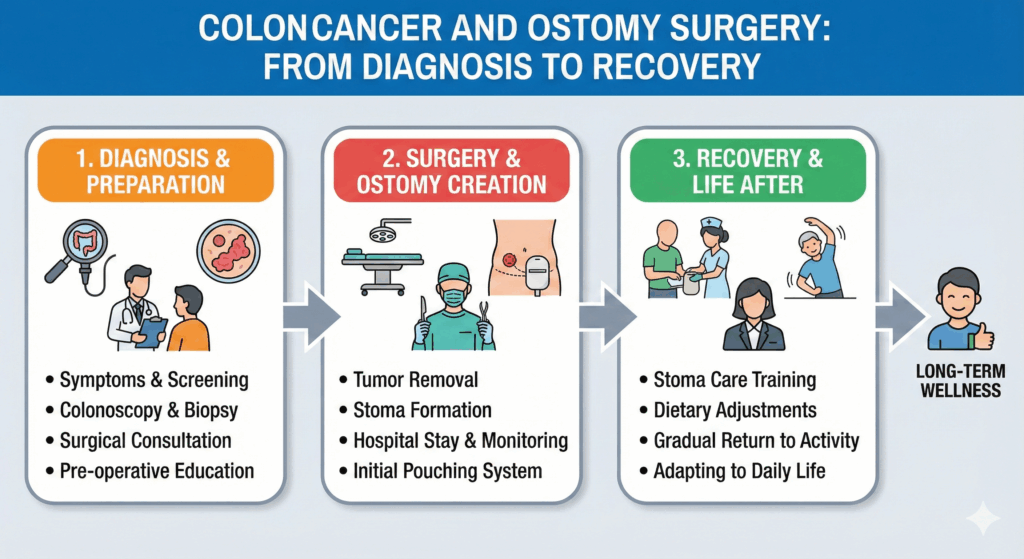
Colon Cancer and Ostomy Surgery: From Diagnosis to Recovery Colon

Highly-Rated Ostomy Bag Covers | Trusted Picks for Daily Comfort

BEWARE of Polyester Ostomy Belts | Health Warning 2025 ⚠️

Be the Most informed Ostomate in the world.

Get updated about all the news about Ostomates, new tricks, tips, procedures, ostomy cards, traveling while getting in contact with the biggest ostomy community in the world.

Ostomy Belt for Men

Get Unique Offers and Discounts

Join more than 40.000 Ostomates worldwide in the SIIL Ostomy family and just profit from the offers, information and exclusive discounts just to be member.

Discover Favorited Ostomy Products

SIIL Ostomy | Ostomy undergarments | Ostomy products | colostomy bag covers

Log in:

Insurances + Medicare +
FSA/HSA

Reimbursement Guide

Download PDF guide👇

SIIL Belts and SIIL Wraps Covered by insurances, Medicare and FSH/HSA.

FREE GUIDE

Hi, I’m Maria!

Can I introduce myself & send you the best Ostomy diet tips?

Ostomy Belt - Colostomy Belt - Ileostomy Belt

We hate Spam as much as you do! Your email is safe here.

Score a sneaky
Free Gift!

Don’t sleep on this deal! 👇

We hate Spam as much as you do! Your email is safe here.