FREE DELIVERY IN USA OVER $120
We Are Covered by Insurances & Medicare
FREE DELIVERY IN UK / EUROPE OVER $100


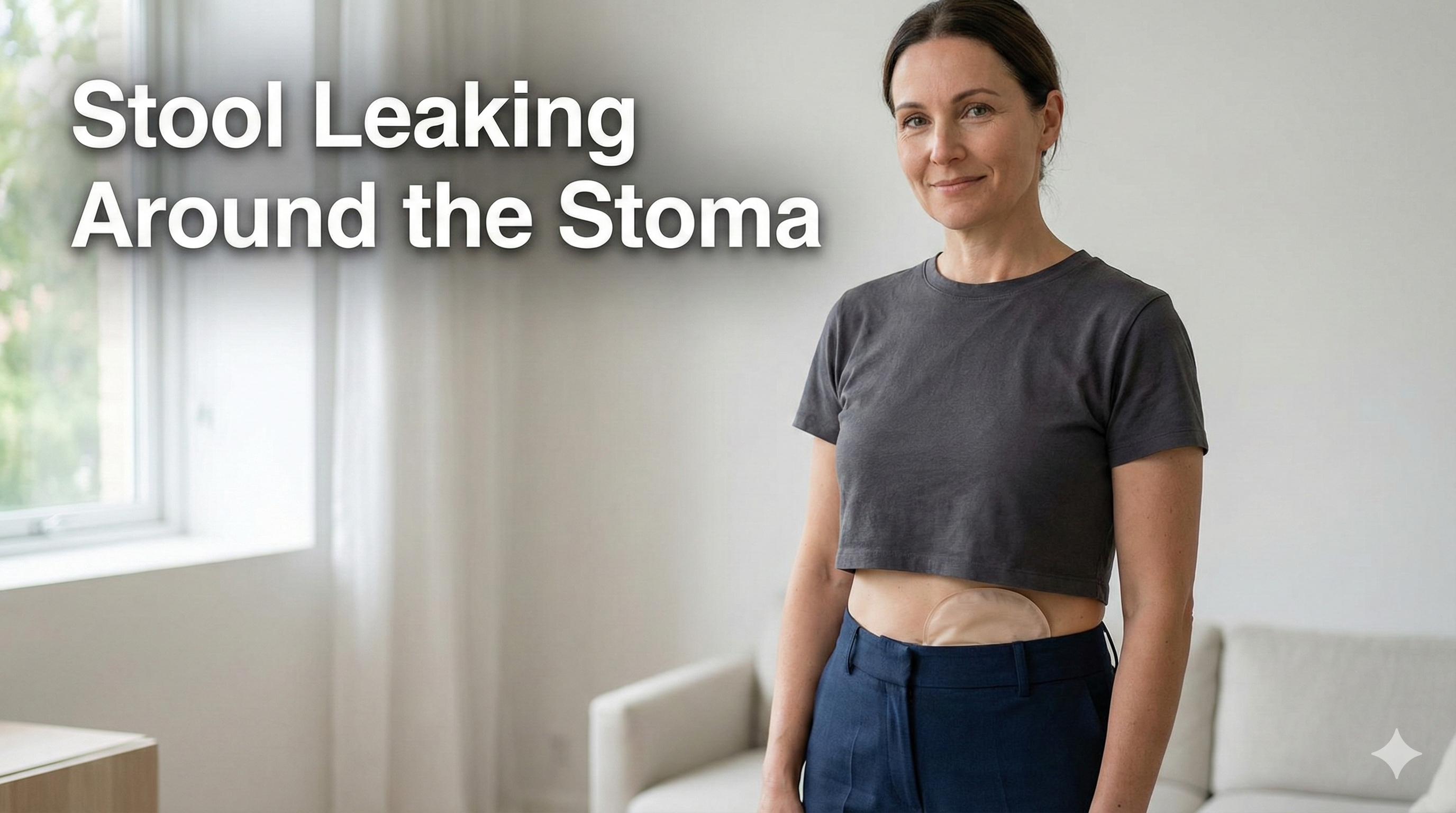
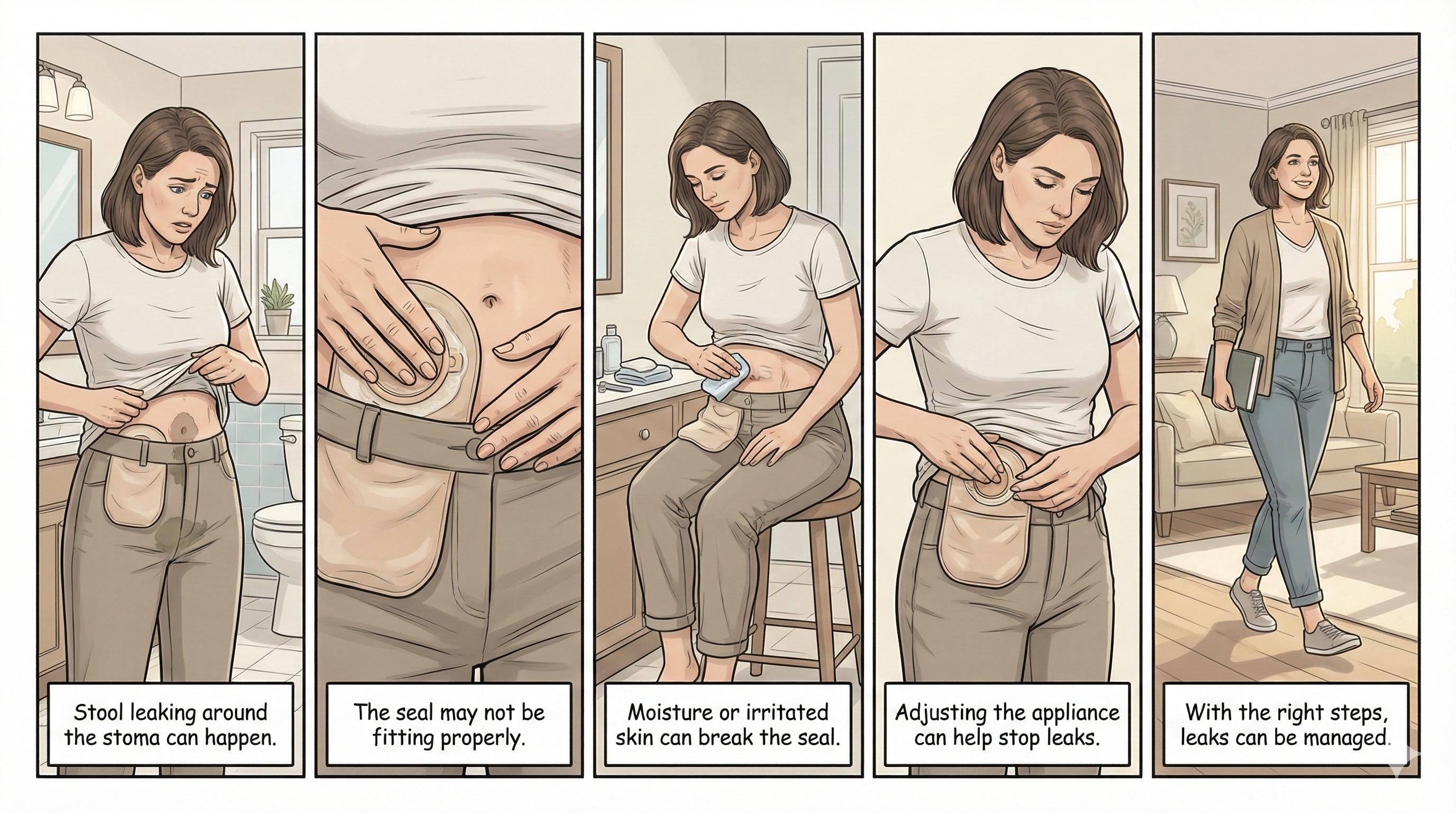
Experiencing stool leaking around stoma can be upsetting, uncomfortable, and exhausting. Many ostomy patients face this issue at some point, whether shortly after surgery or years later. Leakage can damage skin, affect confidence, and make everyday activities feel stressful.
The good news is that stool leaking around stoma usually has clear and fixable causes. Once those causes are understood, most people can significantly reduce leaks and protect their skin. This guide explains why leakage happens, what contributes to it, and how to regain control in daily life.
One of the most common reasons for stool leaking around stoma is a gap between the stoma and the wafer opening. Even a small space allows output to reach the skin and weaken the adhesive barrier.
Yes. Stomas can change size, height, or shape over time due to healing, weight changes, or muscle movement. These changes often explain why stool leaking around stoma suddenly starts after a period without problems.
Loose or liquid output spreads quickly and can undermine the seal more easily than thicker stool. This is a frequent factor when stool leaking around stoma occurs, particularly for ileostomy patients.
If the opening is too large, output reaches the skin. If it is too tight, it can cause lifting around the stoma. Both situations increase the risk of stool leaking around stoma.
Jagged or uneven wafer edges create weak points where leaks begin. Careful cutting or using pre-cut wafers helps reduce the chance of stool escaping around the stoma.
A pouch that pulls downward or sideways creates constant tension. Over time, that tension causes lifting and makes leakage more likely.
When skin becomes red, sore, or broken, adhesive products do not stick as well. This often leads to repeated leakage until the skin has time to heal.
Sweat and humidity soften adhesives and can break down the seal, especially during sleep, exercise, or warm weather.
Some soaps and wipes leave residue that prevents proper adhesion, even when everything looks clean.
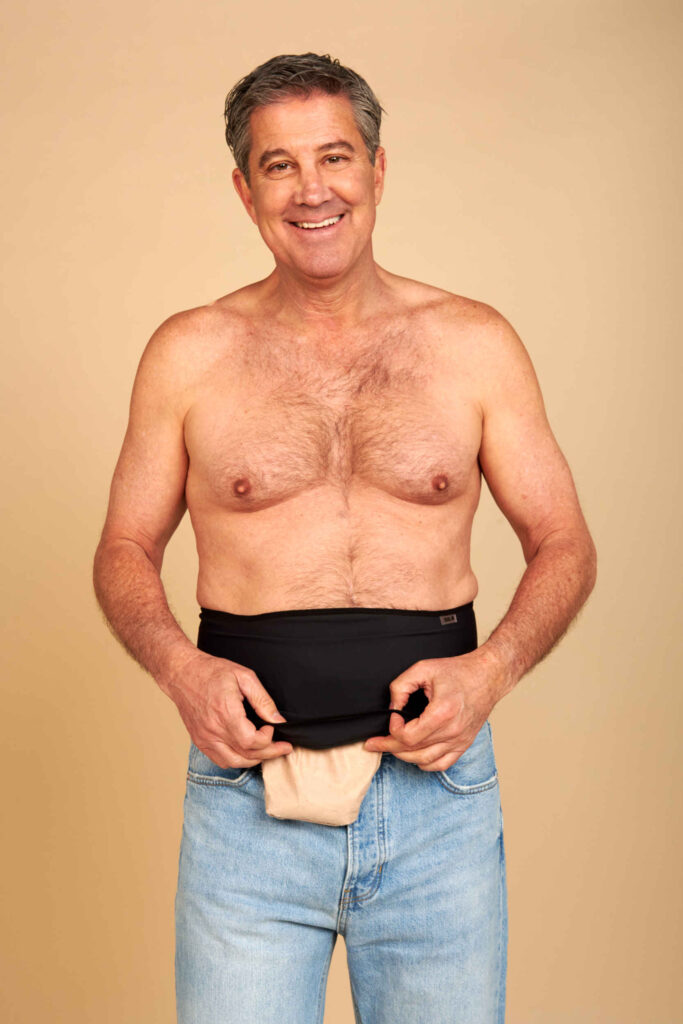
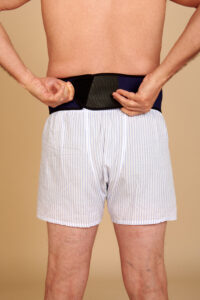
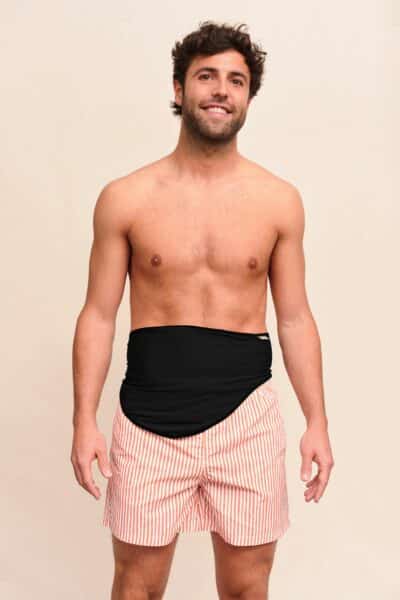
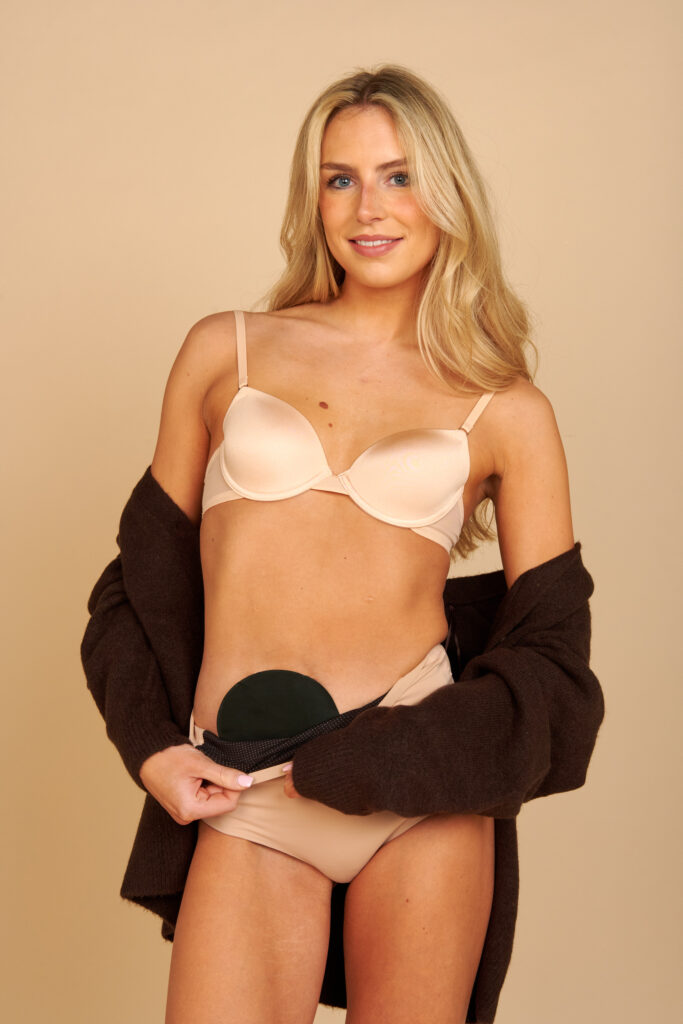
Movement of the pouch as it fills is a major cause of leakage. Proper support keeps the appliance close to the body and reduces pulling on the wafer.
When support garments are correctly sized, pressure is distributed evenly, helping protect the seal and reduce leakage.
Many people benefit from additional support during sleep, exercise, or long days. You can learn more on the ostomy belt page.
Changing your appliance when output is lowest improves adhesion and reduces early seal breakdown.
Regularly checking the edges of the wafer allows small issues to be addressed before a leak occurs.
If leaks continue despite adjustments, a stoma nurse can help assess fit and technique. Reliable guidance is also available from the NHS, Mayo Clinic, and Crohn’s & Colitis Foundation.
Yes. Healing and body changes can temporarily affect fit, but leaks usually improve with proper adjustments.
Yes. Support garments help stabilize the pouch and reduce movement that weakens the seal.
Sometimes small fit or routine changes are enough, but persistent leaks may require different products.
Ileostomy Guide 2025: Diet, Care, Lifestyle & Confidence Ileostomy Guide

Best Winter Ostomy Bag Covers – Essential Guide for Warmth