
What Is a Urostomy?
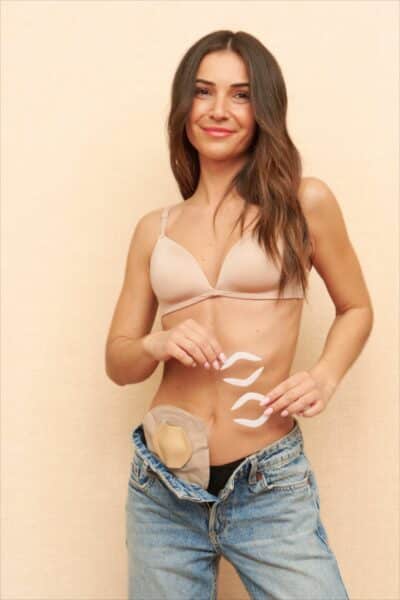
A urostomy is a surgical procedure that creates an opening in the abdominal wall to divert urine from the kidneys, bypassing the bladder. This is typically performed when the bladder is removed or dysfunctional due to conditions like bladder cancer, neurogenic bladder, or birth defects. The creation of a urostomy does not significantly change the function of the urinary system but redirects urine flow through a stoma into an external pouch.
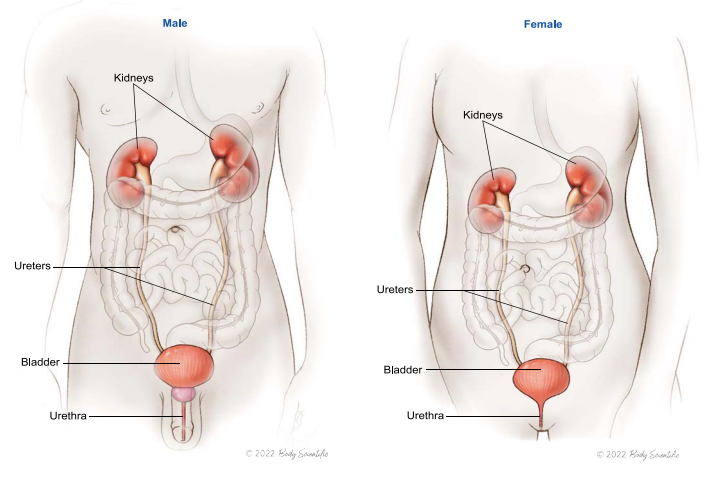
The kidneys filter blood to produce urine, which travels through the ureters to the bladder and out via the urethra in a normal system. With a urostomy, urine exits continuously through the stoma, requiring a pouching system to collect it. According to UOAA, over 80,000 Americans live with a urostomy, and adaptation usually takes 6–12 weeks.
Types of Urostomy
The most common type is the ileal conduit, where a section of the ileum (small intestine) is used to form a passageway for urine. The ureters are attached to this conduit, and the open end is brought through the abdominal wall to form the stoma. A colonic conduit uses a section of the colon instead. Continent pouches (e.g., Indiana Pouch) create an internal reservoir emptied by catheter 4–6 times a day. Ureterostomy connects ureters directly to the skin (rare).
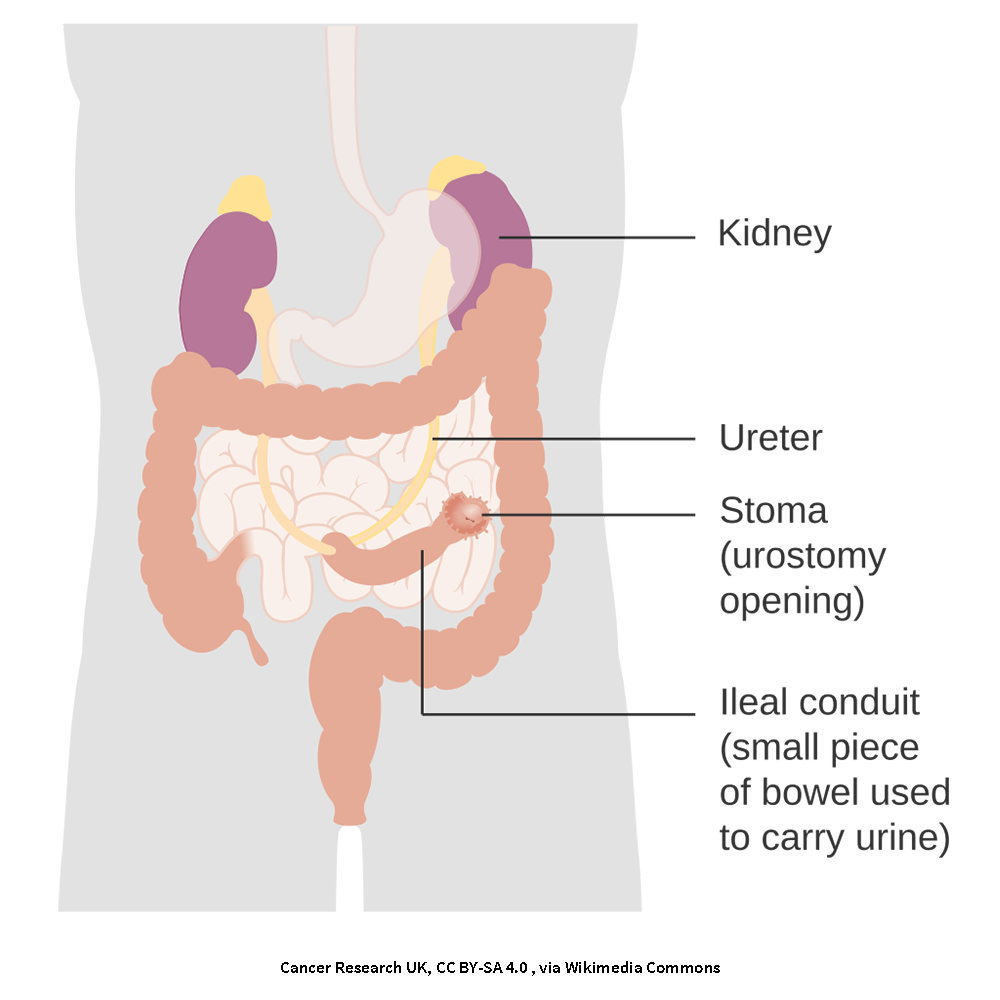
During surgery, stents are placed to protect ureter-conduit connections; they may be removed before or after discharge. Urine may flow through or around stents, which can be visible in the pouch.
Night Drainage & Pouch Systems
Urostomy pouches are drainable with a valve at the bottom. Empty when 1/3 full to prevent leaks. One-piece systems combine barrier and pouch; two-piece allow pouch changes without removing the barrier. Skin barriers can be convex for flat stomas or flat for protruding ones. Additional supplies include paste, rings, powder, adhesive remover, and belts.
For night drainage, use a 2L bag with tubing connected to the pouch valve. Hang below bed level. Rinse tubing with 1:3 white vinegar:water weekly. This keeps the pouch from overfilling during sleep.

Urostomy Diet & Hydration
No major restrictions, but consume 8–10 glasses of fluid daily to prevent infections and crystals. Limit caffeine, alcohol, and acidic juices like cranberry or tomato, which can increase odor. Foods like asparagus or fish may affect urine smell — experiment to identify triggers.
| Goal | Eat/Drink | Limit |
|---|---|---|
| Prevent Crystals | Water, diluted juices | Cranberry, tomato juice |
| Reduce Odor | Parsley tea, buttermilk | Asparagus, fish, alcohol |
Dehydration is a risk post-surgery; watch for dark urine, thirst, or weakness. Rehydrate with non-caffeinated beverages.
Odor & Infection Control
Odor from foods/medications/vitamins can be managed with secure seals, frequent emptying, and deodorizers like M9 drops. Clean the pouch tap with vinegar weekly. For infections (UTIs common), watch for strong odor, increased mucus, fever, or cloudy urine. Collect samples as instructed and drink plenty of fluids to prevent.
Clothing & Concealment
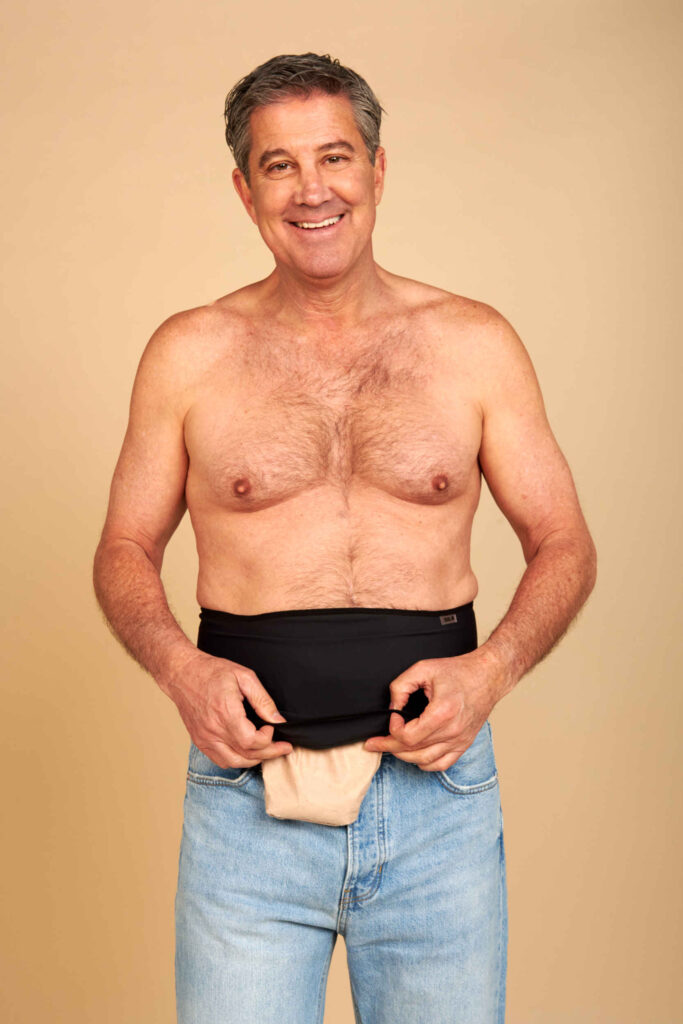
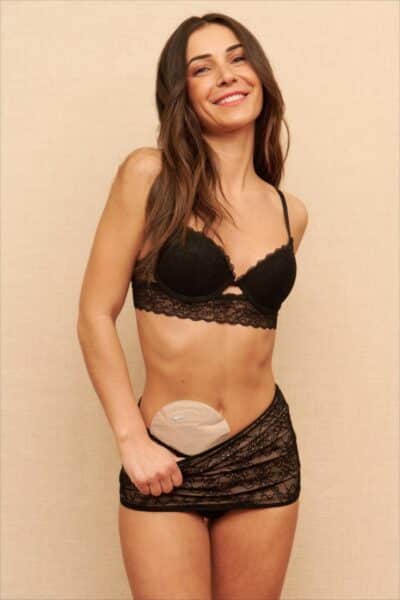
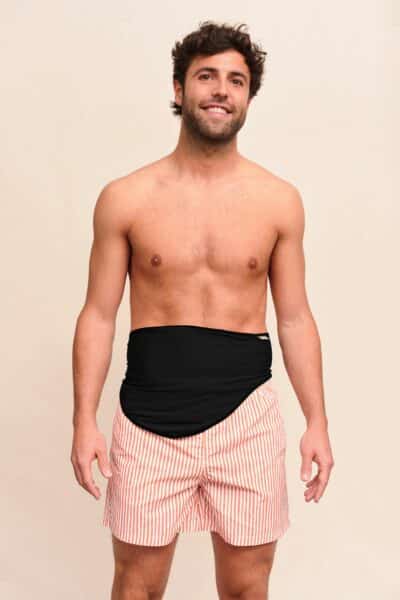
Most clothing is fine. Use high-waisted or supportive garments to secure tubing. SIIL Ostomy underwear provides discreet pockets for pouches.

Sports & Swimming
No limits after healing. For swimming, use waterproof tape over the tap. Activities like running or weightlifting are safe with proper support.
Travel Tips
- Pack 3x supplies in carry-on
- Bring spare tubing and deodorants
- Use TSA medical card
Adjust seatbelts not over stoma. Store supplies cool.
Intimacy & Relationships
Resume 4–6 weeks post-surgery. Empty pouch, use covers or smaller pouches. Function may change; discuss with doctor.
Complications & When to Call Your Doctor
Call if no urine >4 hrs, blood, fever, or flank pain. Watch for prolapse, retraction, or hernia.
Frequently Asked Questions
Can I drink normally with a urostomy?
Yes — stay hydrated. Limit caffeine and alcohol.
How do I manage night drainage?
Use a 2L night bag. Empty in the morning.
Can I wear regular clothes with a urostomy?
Yes — SIIL Ostomy underwear hides and supports.