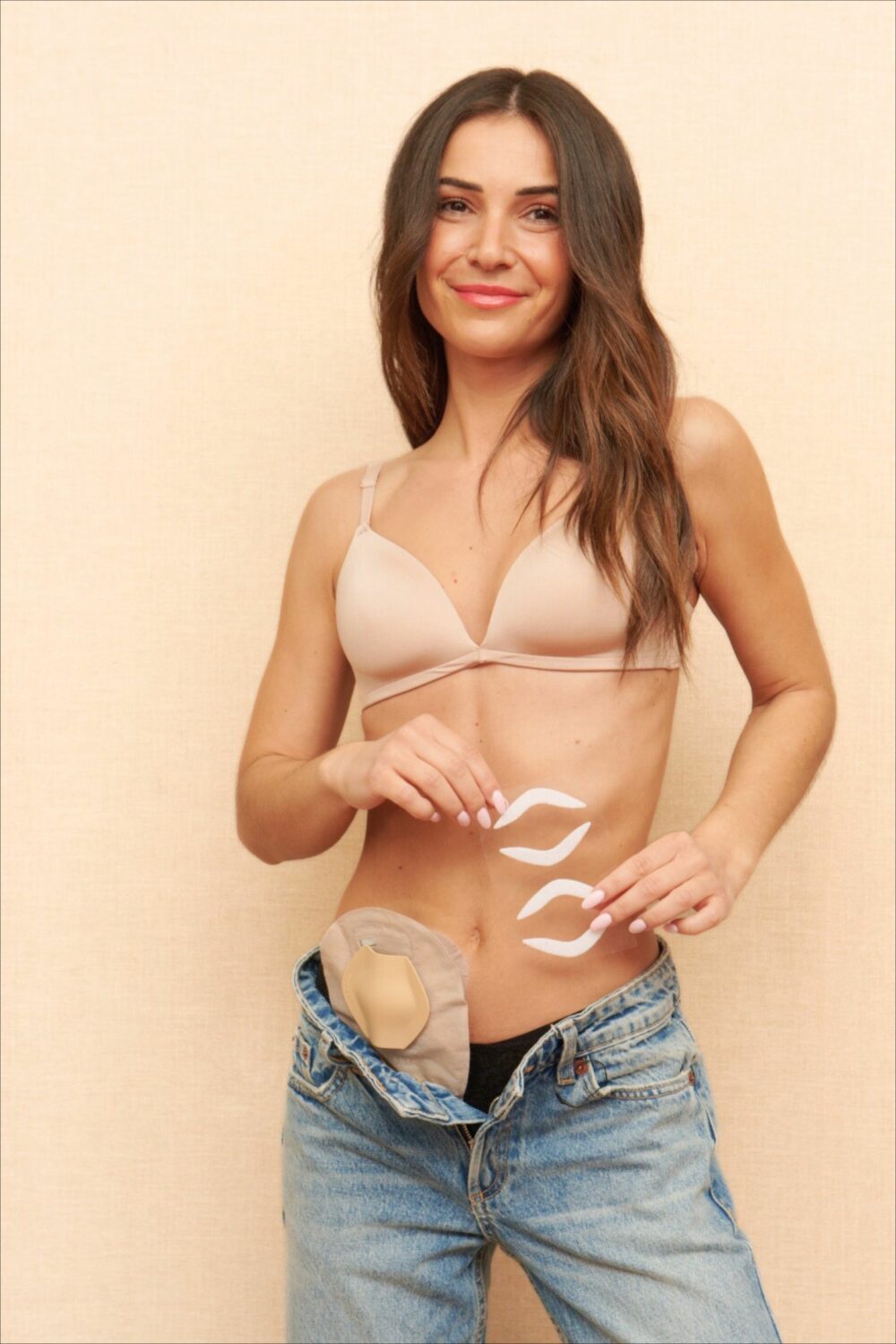
Menopause with a stoma
Common Problems After Menopause with a stoma
- Skin dryness and irritation around the stoma due to lower estrogen levels
- Increased sensitivity or soreness of peristomal skin
- Changes in stoma output — looser stools, constipation, or irregular patterns
- Bloating and gas from slower digestion during menopause
- Difficulty maintaining a strong stoma seal because of sweating or skin texture changes
- Fluctuating weight affecting stoma appliance fit
- Fatigue and lower energy levels impacting daily stoma care routines
- Hot flashes making adhesive wear time shorter or less effective
- Emotional changes such as anxiety, mood swings, or body image concerns
- Decreased libido or discomfort during intimacy due to vaginal dryness and stoma-related confidence issues
- Hormonal changes affecting medication absorption for those using HRT with a stoma
- Difficulty finding suitable ostomy products for menopausal skin
- Night sweats causing extra appliance changes or skin irritation
Understanding Menopause When Living with a Stoma
Ostomy BeltHernia support & leak prevention. Trusted by 50,000+ ostomates worldwide.Discover →Menopause with a stoma happens when your body naturally reduces hormone production while you’re already managing life with an ostomy. This combination can affect your skin, digestion, and emotional balance. Symptoms like hot flashes, fatigue, and mood swings may also influence how you manage your stoma care routine.
Tracking how your stoma behaves during hormonal changes can help your nurse or GP adjust your care plan more effectively.
Hormones like estrogen and progesterone play a big role in digestion. During menopause, lower hormone levels can slow bowel movement or cause irregularities. If you live with a colostomy or ileostomy, you might notice changes in stoma output — sometimes thicker, sometimes more watery.
To keep your stoma function stable, stay hydrated, eat regularly, and avoid foods that trigger bloating or discomfort.
Free guide · A gift from SIIL
The SIIL Ostomy Diet Guide — yours, free
Practical information on food and hydration for everyday life with a stoma.
Prefer it as a PDF in your inbox? Get it by email.
Managing Skin and Stoma Health During Menopause
As estrogen levels drop, skin becomes thinner and drier. Around the stoma, this can cause itching, irritation, or small cracks. Protecting your peristomal skin is vital:
-
Use pH-balanced stoma cleansing wipes.
-
Apply skin barriers or powders designed for sensitive skin.
-
Change your appliance before leakage occurs.
If you notice redness or pain around your ostomy, contact your stoma nurse before it worsens.
Look for skin-friendly ostomy products without alcohol or fragrance. Silicone-based adhesives and soft convex wafers can reduce friction and maintain comfort. Many brands also offer free samples — try different options to find what feels best for your menopausal skin.
Digestive Changes and Stoma Output in Menopause
During menopause with a stoma, hormones affect gut movement and fluid retention. You may experience constipation, bloating, or looser stools depending on your diet and hydration. Keep a food and output diary to notice patterns — this helps you avoid sudden changes in output volume or texture.
Maintaining consistency makes daily ostomy care easier and more predictable.
Choose foods rich in calcium and vitamin D to protect bones, while supporting stoma health with gentle fiber sources. Try cooked vegetables, bananas, rice, and lean proteins. Avoid gassy foods (beans, onions, fizzy drinks) and drink plenty of water.
If alcohol tolerance decreases, switch to mocktails or herbal teas to stay hydrated and maintain stoma stability.
Emotional and Sexual Wellbeing with a Stoma in Menopause
Coping with both menopause and an ostomy can be emotionally draining. Hormonal dips can lead to mood swings, anxiety, or depression. Body image may also change, especially if you worry about your stoma appearance or leaks.
Support your mental health with daily relaxation, light exercise, and by connecting with stoma support groups for women going through similar experiences.
Menopause can cause vaginal dryness and reduced libido, while a stoma might affect confidence. Try using lubricants or vaginal moisturizers, and talk openly with your partner about comfort and body changes. Stoma covers, pouch wraps, or lingerie designed for ostomy users can help you feel attractive and secure during intimacy.
Exercise, Fitness, and Stoma Strength During Menopause
Confidence starts with preparation. Keep your stoma supplies organized, wear clothes that make you feel good, and use support garments that flatter your shape. Surround yourself with people who encourage positivity, and remember — living with a stoma does not limit your beauty, strength, or femininity.
Tips for Safe Exercise with a Stoma
- Wear supportive gear: an ostomy belt or wrap (like the SIIL Ostomy Stoma Belt) keeps the pouch secure and close to your body during exercise. Studies suggest support garments may lower the risk of a parastomal hernia by about 40% when they go with core exercises (Thompson & Trainor, 2005 and 2007; Sarritzu et al., 2024); neither was a randomized trial, so wear one alongside your core work, not instead of it.
- Stay hydrated: menopause can raise the risk of dehydration, and stomas (especially ileostomies) can need extra fluid. There is no single daily amount that suits everyone: follow your care team’s advice, especially if you have a high-output stoma, and allow for the fluid you lose through sweat when you exercise.
- Monitor stoma output: exercise can affect output consistency. Easily digestible foods (for example, bananas or rice) 1–2 hours before a workout can help keep it stable.
- Start slowly: begin with 10–15 minute sessions and build up gradually to avoid strain on the stoma or menopausal fatigue.
- Check the stoma site: look for irritation or leakage after exercise, especially with a new routine, and use a barrier cream if needed.
Always reach out to your stoma care nurse or GP if you notice:
-
Sudden stoma blockages or high output
-
Severe skin irritation or pain
-
Unmanageable menopause symptoms despite treatment
Menopause with a stoma: frequently asked questions
What Happens to Your Body During Menopause with a Stoma?
Menopause with a stoma happens when your body naturally reduces hormone production while you’re already managing life with an ostomy. This combination can affect your skin, digestion, and emotional balance. Symptoms like hot flashes, fatigue, and mood swings may also influence how you manage your stoma care routine.
Tracking how your stoma behaves during hormonal changes can help your nurse or GP adjust your care plan more effectively.
How Do Hormonal Changes Affect Stoma Function?
Hormones like estrogen and progesterone play a big role in digestion. During menopause, lower hormone levels can slow bowel movement or cause irregularities. If you live with a colostomy or ileostomy, you might notice changes in stoma output — sometimes thicker, sometimes more watery.
To keep your stoma function stable, stay hydrated, eat regularly, and avoid foods that trigger bloating or discomfort.
How Does Menopause Affect Stoma Skin Care?
As estrogen levels drop, skin becomes thinner and drier. Around the stoma, this can cause itching, irritation, or small cracks. Protecting your peristomal skin is vital:
-
Use pH-balanced stoma cleansing wipes.
-
Apply skin barriers or powders designed for sensitive skin.
-
Change your appliance before leakage occurs.
If you notice redness or pain around your ostomy, contact your stoma nurse before it worsens.
What Are the Best Products for Stoma Skin During Menopause?
Look for skin-friendly ostomy products without alcohol or fragrance. Silicone-based adhesives and soft convex wafers can reduce friction and maintain comfort. Many brands also offer free samples — try different options to find what feels best for your menopausal skin.
Why Does Stoma Output Change During Menopause?
During menopause with a stoma, hormones affect gut movement and fluid retention. You may experience constipation, bloating, or looser stools depending on your diet and hydration. Keep a food and output diary to notice patterns — this helps you avoid sudden changes in output volume or texture.
Maintaining consistency makes daily ostomy care easier and more predictable.
What Foods Support a Healthy Stoma During Menopause?
Choose foods rich in calcium and vitamin D to protect bones, while supporting stoma health with gentle fiber sources. Try cooked vegetables, bananas, rice, and lean proteins. Avoid gassy foods (beans, onions, fizzy drinks) and drink plenty of water.
If alcohol tolerance decreases, switch to mocktails or herbal teas to stay hydrated and maintain stoma stability.
How Does Menopause with a Stoma Affect Mental Health?
Coping with both menopause and an ostomy can be emotionally draining. Hormonal dips can lead to mood swings, anxiety, or depression. Body image may also change, especially if you worry about your stoma appearance or leaks.
Support your mental health with daily relaxation, light exercise, and by connecting with stoma support groups for women going through similar experiences.
How Can You Maintain Intimacy with a Stoma During Menopause?
Menopause can cause vaginal dryness and reduced libido, while a stoma might affect confidence. Try using lubricants or vaginal moisturizers, and talk openly with your partner about comfort and body changes. Stoma covers, pouch wraps, or lingerie designed for ostomy users can help you feel attractive and secure during intimacy.
How Can I Feel More Confident Living with a Stoma During Menopause?
Confidence starts with preparation. Keep your stoma supplies organized, wear clothes that make you feel good, and use support garments that flatter your shape. Surround yourself with people who encourage positivity, and remember — living with a stoma does not limit your beauty, strength, or femininity.
When Should I Seek Professional Help for Stoma or Menopause Issues?
Always reach out to your stoma care nurse or GP if you notice:
-
Sudden stoma blockages or high output
-
Severe skin irritation or pain
-
Unmanageable menopause symptoms despite treatment
Can menopause affect my stoma output?
Yes. Hormonal changes during menopause can alter digestion and gut motility, leading to fluctuations in stoma output. Some women experience constipation, while others notice looser stools. Keeping a food and symptom diary, staying hydrated, and eating balanced meals can help stabilize your stoma function.
Why does my stoma skin feel dry or irritated during menopause?
During menopause, estrogen levels drop, which makes skin thinner, drier, and more sensitive — including the skin around your stoma. Use gentle, alcohol-free stoma care products, and apply a protective barrier film or powder to prevent irritation. Consult your stoma care nurse if redness or discomfort persists.
Can I use Hormone Replacement Therapy (HRT) if I have a stoma?
Yes, but always under medical supervision. HRT for women with a stoma can help reduce hot flashes, night sweats, and mood swings. However, oral tablets may not absorb properly if your digestive tract is altered. Transdermal patches, gels, or sprays are often more suitable for ostomy patients.
What are the best foods to eat during menopause with a stoma?
-
Focus on foods that support bone, gut, and stoma health:
-
Cooked vegetables, bananas, oats, rice, and lean proteins
-
Dairy or fortified alternatives rich in calcium and vitamin D
-
Avoid gassy foods like beans, onions, and fizzy drinks
-
Drink plenty of water to keep your stoma output consistent
-
How can I manage hot flashes and sweating with a stoma bag?
Wear breathable, moisture-wicking fabrics to stay cool. Use stoma support garments or belts that allow airflow. Keep spare supplies handy, as sweating can affect the adhesive seal of your stoma appliance.
Does menopause make it harder to maintain a stoma seal?
-
It can. Drier or sweatier skin can interfere with your appliance’s adhesion. Try different wafers or barrier rings to see which suits your changing skin. Many brands offer free stoma product samples — your stoma nurse can help you find the right fit.
Can I exercise safely during menopause if I have a stoma?
Absolutely. Gentle activities like walking, swimming, yoga and Pilates strengthen your core and boost your mood. A stoma support belt keeps the pouch secure during exercise, and studies suggest support garments may lower the risk of a parastomal hernia by about 40% when they go with core exercises (Thompson & Trainor, 2005 and 2007; Sarritzu et al., 2024), although neither was a randomized trial. Start slowly if you have recently had surgery.
How do menopause and a stoma affect intimacy and sex life?
-
Menopause may cause vaginal dryness and reduced libido, while a stoma can affect confidence. Open communication with your partner helps. Use lubricants, vaginal moisturizers, or low-dose estrogen products prescribed by your doctor. Try stoma bag covers or wraps designed for intimacy to boost comfort and confidence.
Are there support groups for women with a stoma going through menopause?
-
Yes. You can join online or local stoma and menopause support groups to share experiences, ask questions, and learn practical tips. Your stoma nurse or hospital clinic can recommend reputable groups such as:
-
United Ostomy Associations of America (UOAA)
-
Colostomy UK (if you’re based in the UK)
-
Facebook groups for “Women with Ostomies” or “Menopause and Stoma Support”
-
When should I see my doctor about stoma changes during menopause?
You should contact your GP or stoma nurse if you notice:
-
Sudden changes in stoma output (blockage, high output, or persistent diarrhea)
-
Skin breakdown, pain, or bleeding around the stoma
-
Worsening menopausal symptoms despite treatment
Early advice prevents complications and ensures you get the right treatment plan for both menopause and stoma care.

Ostomy BeltHernia support & leak prevention. Trusted by 50,000+ ostomates worldwide.Discover →More from the SIIL journal
Ostomy life & care library
Free interactive ostomy bag & wafer change frequency calculator: find optimal wear time (1-piece vs 2-piece, ileostomy, colostomy,…
Ostomy life & care library
Free interactive flat vs. convex ostomy wafer selector: check budded, flush, or retracted stoma profiles, soft vs. firm convexity …
Ostomy Diet & Nutrition
Free interactive ostomy medication & tablet absorption guide: check ER/XR, enteric-coated, liquid, birth control, and diuretic con…
Welcome offer
Stories, tips and exclusive drops — once a month, never spam. Your code lands in your inbox the moment you subscribe.
By subscribing you accept our privacy policy. Unsubscribe in one click, anytime.
$39.99
$41.99
$52.99
$44.99
$102.99
$49.99
$72.99
$76.99
$76.99
$41.99
$52.99
$76.99