

 ES
ES EN
EN GB
GB DE
DE FR
FRNo products in the cart.
Running & Ostomy Life
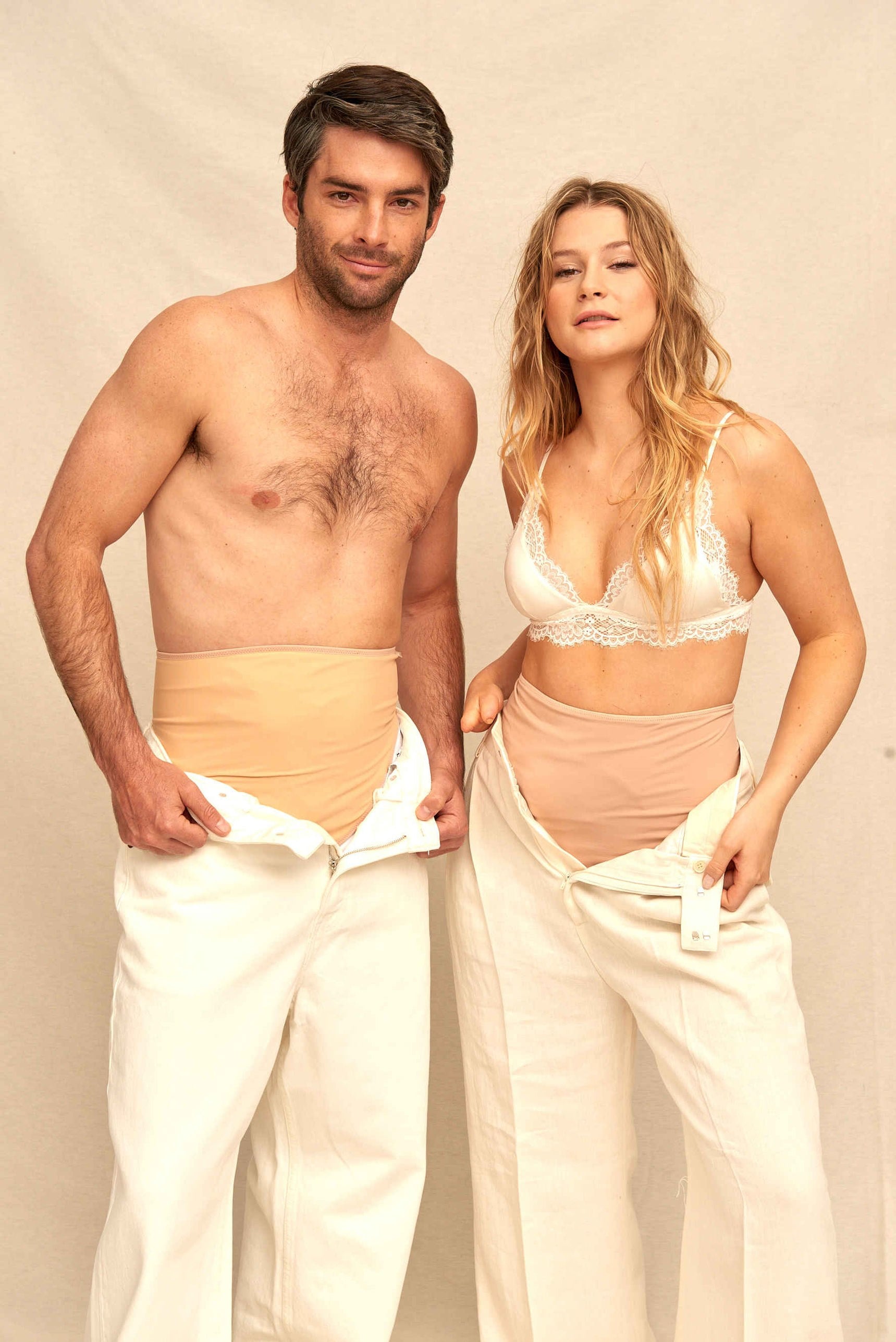
Ostomy Belt for Running: Your Complete Guide to Hitting the Pavement with Confidence
An ostomy belt for running is the single most important accessory for any ostomate who wants to lace up and go. Whether you dream of a morning jog around the block or crossing a marathon finish line, the right support changes everything.
Shop the SIIL Belt
Watch: Running with an Ostomy — 50K+ views
Free guide · A gift from SIIL
The SIIL Ostomy Diet Guide — yours, free
Practical information on food and hydration for everyday life with a stoma.
Prefer it as a PDF in your inbox? Get it by email.
Why Runners Need an Ostomy Belt
The foundation of active ostomy living
Running is one of the highest-impact activities you can do after ostomy surgery. Every stride sends a repetitive shock through your abdomen, and without the right support, your pouch can shift, bounce, or even partially lift at the adhesive edges. Over time, this leads to leaks, skin irritation, and — perhaps worst of all — the kind of anxiety that keeps people off the road entirely.
An ostomy belt for running solves these problems by providing even, gentle compression across the entire wafer area. It holds the pouch flat against your body, minimizes adhesive peel, and gives you one less thing to think about when you should be focusing on your pace and breathing. Research from the Mayo Clinic confirms that physical activity is not only safe after ostomy surgery but is actively encouraged for long-term health and mental well-being.

Beyond the physical mechanics, there is a powerful psychological component. Many new ostomates report that their biggest barrier to exercise is not pain or physical limitation — it is fear. Fear of a leak in public. Fear of the pouch becoming visible under running clothes. Fear of something going wrong far from home. A purpose-built ostomy belt addresses every one of these concerns, which is why stoma nurses and physiotherapists routinely recommend belts as part of a return-to-activity plan.
The United Ostomy Associations of America emphasizes that returning to your favorite activities — including running — is one of the most important milestones in ostomy recovery. The right gear makes that milestone achievable sooner and safer.
Pro Tip
Start by wearing your ostomy belt during walks before progressing to running. This lets your body adjust to the compression and helps you dial in the perfect fit. The SIIL Ostomy Belt has adjustable sizing so you can fine-tune the support level as your fitness grows.
Couch to 5K with an Ostomy: An 8-Week Training Plan
A progressive plan designed for ostomates returning to fitness
The classic Couch to 5K program is one of the best frameworks for ostomates who want to start running. The gradual walk-run intervals give your body — and your stoma — time to adapt. Below is an ostomy-specific version with built-in tips for pouch management, belt use, and hydration. Always clear your plan with your stoma nurse or surgeon before starting.

Weeks 1–2: Building the Foundation
Sessions: 3× per week, 25 minutes each
Pattern: Walk 4 minutes → Jog 1 minute → Repeat 5×
Belt tip: Wear your SIIL Ostomy Belt on every session, even walks. Get used to the feeling.
Ostomy note: Empty your pouch before each session. Keep routes close to home so restrooms are accessible.
Weeks 3–4: Increasing Run Time
Sessions: 3× per week, 28 minutes each
Pattern: Walk 3 minutes → Jog 2 minutes → Repeat 5×, then cool-down walk 3 minutes
Belt tip: Check your belt positioning mid-run. It should sit flat without riding up. Adjust the tension if needed.
Ostomy note: Begin experimenting with pre-run nutrition timing. Eat a light meal 90–120 minutes before running to minimize output during your session.
Weeks 5–6: The Confidence Builder
Sessions: 3× per week, 30 minutes each
Pattern: Walk 2 minutes → Jog 5 minutes → Repeat 4×, then cool-down walk 2 minutes
Belt tip: Consider adding the SIIL Stoma Protector to your setup as you increase intensity. It adds an extra layer of confidence without bulk.
Ostomy note: Start carrying a small emergency kit (spare pouch, wipes, plastic bag) in a running belt or armband. You likely won't need it, but knowing it's there removes anxiety.

Weeks 7–8: Race-Ready
Sessions: 3× per week, 30–35 minutes each
Pattern: Jog 8 minutes → Walk 2 minutes → Jog 8 minutes → Walk 2 minutes → Jog to finish
Belt tip: Your belt should feel like second nature by now. This is your race setup — whatever you wear on race day should be what you have trained in.
Ostomy note: By Week 8, aim to run the full 5K distance (3.1 miles). Celebrate the milestone — this is a massive achievement for any ostomate returning to sport.
Every body adapts differently, and ostomy recovery timelines vary. Listen to your body. If a week feels too hard, repeat it. There is no shame in going slower — the goal is to build a sustainable running habit that lasts for years, not to rush through a program in eight weeks.
Marathon Tips for Ostomates
From half marathons to ultras — advanced strategies for distance running
Once you have conquered the 5K, the natural question is: can I go farther? The answer is a resounding yes. Ostomates around the world have completed half marathons, full marathons, and even ultramarathons. The key is preparation, and much of that preparation revolves around managing your ostomy over longer distances and time frames.

Hydration Strategy
Dehydration is a serious risk for ostomates, particularly those with an ileostomy, because you absorb less water through your digestive system. During marathon training and racing, you need to drink more than the average runner. Aim for small, frequent sips rather than large gulps — this reduces the chance of rapid output increases. Electrolyte drinks are essential, not optional. Sodium, potassium, and magnesium losses are higher for ostomates, and replacing them prevents cramping, fatigue, and dangerous electrolyte imbalances.
Nutrition and Timing
What you eat in the 24 hours before a race matters enormously. Many ostomate runners follow a low-residue diet the day before a marathon to slow output. Avoid high-fiber foods, raw vegetables, and anything that typically increases your stoma activity. On race morning, eat your tested pre-run meal at least two hours before the start. Gels and chews during the race should be ones you have practiced with in training — never try new nutrition on race day.
Race-Day Pouch Management
Apply a fresh pouch the evening before or the morning of the race — never use a pouch that is already a day or two into its wear time. Use additional adhesive strips or barrier rings for extra security. Empty immediately before the gun goes off. For a full marathon, plan at least two restroom stops. Study the course map in advance so you know exactly where the portable toilets are located.
Your Belt Setup for Long Distances
For marathon distances, your ostomy belt for running needs to be comfortable over 3–5+ hours of continuous wear. The SIIL Ostomy Belt excels here because of its breathable fabric and wide support panel that distributes pressure without creating hot spots. Pair it with the SIIL Stoma Protector for impact protection in crowded start corrals and aid station bottlenecks.
Marathon Race-Day Checklist
- Fresh pouch applied (morning of or night before)
- SIIL Ostomy Belt — fitted and tested in training
- SIIL Stoma Protector in place
- Emergency kit: spare pouch, wipes, disposal bag, barrier ring
- Electrolyte tablets or drink mix for every aid station
- Course map reviewed with restroom locations marked
- Pre-run meal consumed 2+ hours before start time
- Body Glide or anti-chafe balm around belt edges and waistline
SIIL Belt Features Built for Runners
Why thousands of active ostomates choose SIIL
Not all ostomy belts are created equal, especially when it comes to running. Generic support wraps and basic manufacturer belts were not designed for high-impact, repetitive motion. The SIIL Ostomy Belt was engineered from the ground up with active lifestyles in mind — and runners in particular benefit from several key design decisions.

Breathable Fabric
Moisture-wicking material keeps sweat from pooling under the belt, even on hot summer runs. No more peeling adhesive caused by trapped perspiration.
Level 3 Support
Firm yet flexible compression rated for high-impact activity. Holds your pouch securely without restricting your stride or breathing.
Low-Profile Design
Sits invisibly under running shorts, leggings, or race singlets. No visible lines, no bulk, no awkward questions at the starting line.
Machine Washable
Toss it in the wash after every run. No hand-washing rituals or degraded elasticity. Designed for athletes who train 3–6 days per week.
Stoma Protector Compatible
The SIIL Stoma Protector clips securely inside the belt, adding rigid impact protection without a second accessory to manage.
Universal Fit
Works with all major pouch brands and stoma types — colostomy, ileostomy, and urostomy. Adjustable sizing accommodates body changes during training.
What sets the SIIL belt apart from competitors is the combination of real athletic performance with ostomy-specific engineering. Many belts on the market are either too rigid for comfortable running or too flimsy to provide genuine support at pace. SIIL found the sweet spot, and it is why their belt has become the go-to recommendation in ostomy running communities worldwide.
Watch: Belt for an Active Life
Keep Reading
More guides for living actively with an ostomy
Frequently Asked Questions
Everything runners ask about ostomy belts
Can I run with an ostomy bag?
Yes, many ostomates run regularly — from casual jogs to full marathons. An ostomy belt for running provides the security and compression needed to keep your pouch flat and protected during high-impact movement. Start slowly, build up gradually, and use supportive accessories like the SIIL Ostomy Belt and Stoma Protector.
What is the best ostomy belt for running?
The SIIL Ostomy Belt is widely regarded as one of the best options for runners. It features a lightweight, breathable design with Level 3 support that keeps your pouch secure without restricting movement. The belt sits discreetly under running gear and is machine washable — ideal for athletes who train frequently.
How do I prevent my ostomy bag from bouncing while running?
An ostomy belt with moderate compression holds the pouch flat against your body, eliminating bounce. The SIIL belt's wide support panel distributes pressure evenly. You can also empty your pouch before running, use a smaller or mini pouch for shorter runs, and wear a stoma protector for additional security.
Should I wear a stoma protector while running?
A stoma protector is highly recommended for running, especially on trails or in crowded races. It shields your stoma from accidental impact without adding bulk. The SIIL Stoma Protector fits inside the ostomy belt and provides rigid yet lightweight protection that you will barely notice during your run.
Can I run a marathon with an ostomy?
Absolutely. Many ostomates have completed marathons and ultramarathons. Key strategies include training progressively, managing hydration and nutrition carefully, wearing a reliable ostomy belt, carrying spare supplies, and planning your pouch changes around the race schedule. The Couch to 5K approach outlined above is a great starting point for building toward longer distances.
How often should I empty my ostomy pouch when running?
Empty your pouch immediately before your run. For runs under 60 minutes, you typically will not need to empty mid-run. For longer sessions or marathon-distance efforts, plan a stop every 60 to 90 minutes. Familiarize yourself with restroom locations along your route in advance so you are never caught off guard.
Sources
Medical references and further reading
- Mayo Clinic — Ostomy: Overview of Procedures and Living with an Ostomy
- United Ostomy Associations of America — Living with an Ostomy
- SIIL Ostomy — Best Ostomy Belt: Complete Guide
- SIIL Ostomy — Exercise with a Stoma
Ready to Run with Confidence?
Thousands of ostomates trust the SIIL Ostomy Belt to keep them moving. Breathable, secure, and invisible under your running gear — it is the support system your stoma deserves.