

 ES
ES EN
EN GB
GB DE
DE FR
FRNo products in the cart.

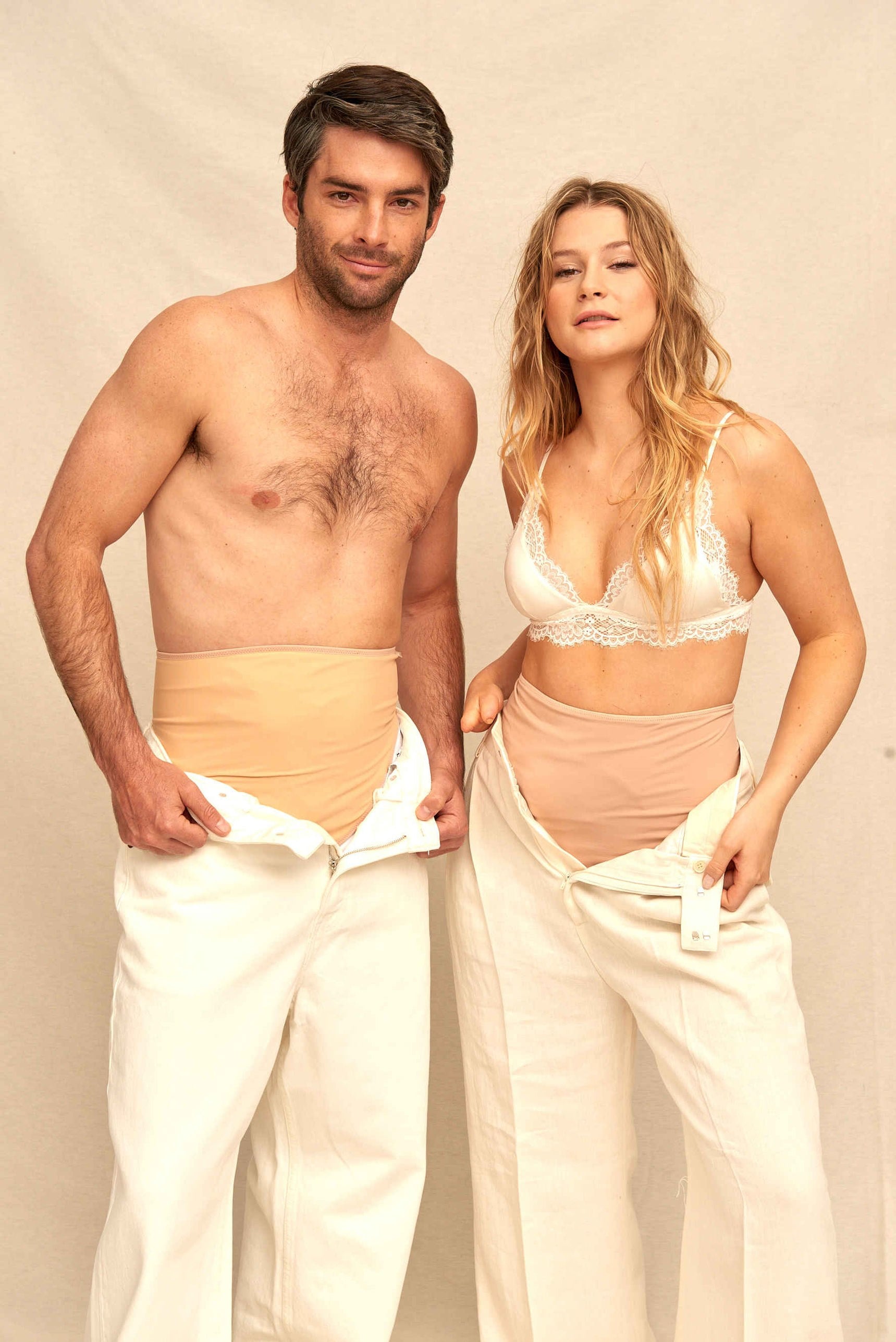
Ostomy Belt Truth, 6 Reasons Most Belts Fail Over Time
Most people decide whether an ostomy belt works based on the first few hours of wear. If nothing feels wrong and there are no immediate leaks, it is easy to assume the belt is doing its job.
The problem is that early comfort does not reflect long term performance. Many ostomy belts are designed to feel acceptable at first, not to handle the realities of daily life over time.
Why early comfort creates false confidence
An ostomy belt can feel fine while standing, walking short distances, or during light activity. This early experience hides deeper design limitations.
Why problems show up later
As the day progresses, the abdomen moves, the pouch fills, and pressure patterns change. These issues rarely appear immediately, but they almost always appear eventually.
Most ostomy belt designs assume the body stays still
Many traditional ostomy belt designs are built around a static view of the body. They assume posture, shape, and movement remain mostly consistent.
Real bodies do not work that way.
The abdomen constantly changes shape
Breathing, sitting, bending, stretching, and walking all change how an ostomy belt interacts with the body. A belt that cannot adapt begins to shift or apply pressure unevenly.
Why rigid designs lose effectiveness
When a belt cannot move with the body, it compensates by tightening in some areas and loosening in others. This leads to discomfort and instability.
Free guide · A gift from SIIL
The SIIL Ostomy Diet Guide — yours, free
Practical information on food and hydration for everyday life with a stoma.
Prefer it as a PDF in your inbox? Get it by email.
Pressure is the most common reason an ostomy belt fails
Leaks, discomfort, and skin irritation are often blamed on appliances. In reality, unmanaged pressure is usually the underlying cause.
Pressure placed directly on the stoma area
Some ostomy belt designs press inward instead of supporting around the stoma. Over time, this can weaken the seal and create soreness.
Downward pull as the pouch fills
As output increases, gravity pulls the pouch downward. Without proper support, this stress transfers to adhesives and skin.
Why most ostomy belt pocket designs fall short
Many belts rely on a single internal structure to manage pouch weight, movement, and clothing pressure.
This approach rarely works long term.
One structure cannot manage changing volume
Pouch size and weight change throughout the day. A fixed design cannot respond to these shifts effectively.
Lack of adaptability causes belt movement
Sliding, rolling, and bunching are common signs that an ostomy belt is not designed to adapt to real use.
What makes the SIIL Ostomy Belt different by design
The SIIL Ostomy Belt was created by focusing on how people actually live, move, and wear their belt day after day.
Designed to move with the body
The SIIL Ostomy Belt adapts naturally as posture and activity change, maintaining support without increasing pressure.
Balanced support instead of compression
Support is distributed evenly around the pouch, helping reduce strain on adhesives and skin.
Discreet and stable under clothing
The belt remains low profile while still providing consistent daily support.
Why the SIIL Ostomy Belt becomes the one people keep
An ostomy belt earns trust when it works consistently, not just during the first few wears.
When support stays stable throughout the day, confidence follows naturally.
Confidence without constant adjustment
People stop checking, adjusting, and worrying when their belt simply does its job.
Built for daily, long term wear
The SIIL Ostomy Belt is designed to perform hour after hour, day after day, without compromise.
Learn more about the SIIL Ostomy Belt here:
https://www.siilostomy.com/en/ostomy-belt/
For trusted medical information about living with a stoma, visit the NHS:
https://www.nhs.uk/conditions/colostomy/
Keep reading
More from the SIIL journal

Ostomy Clothing & Accessories
Hollister Ostomy Clothing: What to Wear Over Your Pouch
Hollister makes pouches, wafers, and clip-on ostomy belts — not everyday outfits. If you searched “Hollister ostomy clothing,” you…
10 min read

Ostomy Clothing & Accessories
SIIL vs Joe & Bella: Ostomy Clothing Compared
SIIL vs Joe & Bella. SIIL wins with ostomy belt, swimwear, and integrated system. Comparison 35/40 vs 19/40.
4 min read

Ostomy Clothing & Accessories
SIIL Ostomy Review: Belt, Underwear and Swimwear Tested
Complete SIIL Ostomy review. Rating 4.8/5. Detailed analysis of belt, underwear and swimwear.
4 min read

Welcome offer
Join the SIIL family.
Get 20% off your first order.
Stories, tips and exclusive drops — once a month, never spam. Your code lands in your inbox the moment you subscribe.
By subscribing you accept our privacy policy. Unsubscribe in one click, anytime.
Welcome — check your inbox for the code.
$52.99
$72.99
$44.99
$49.99
$72.99
$44.99
$31.99
$41.99
$72.99
$72.99
$44.99
$41.99