

 ES
ES EN
EN GB
GB DE
DE FR
FRNo products in the cart.
Published on: 09/12/2025
Changing My Ostomy Pouch, A Practical Guide for Comfort, Safety, and Confidence
Author: John Rainier Yumang
For many people living with an ostomy, the idea of changing my ostomy pouch can stir up feelings ranging from uncertainty to full confidence. Wherever you are in that journey, you deserve guidance that is calm, clear, and rooted in sound medical practice. This article takes a supportive, practical approach — almost like a nurse walking you through each moment — so that changing my ostomy pouch feels predictable, gentle, and empowering.
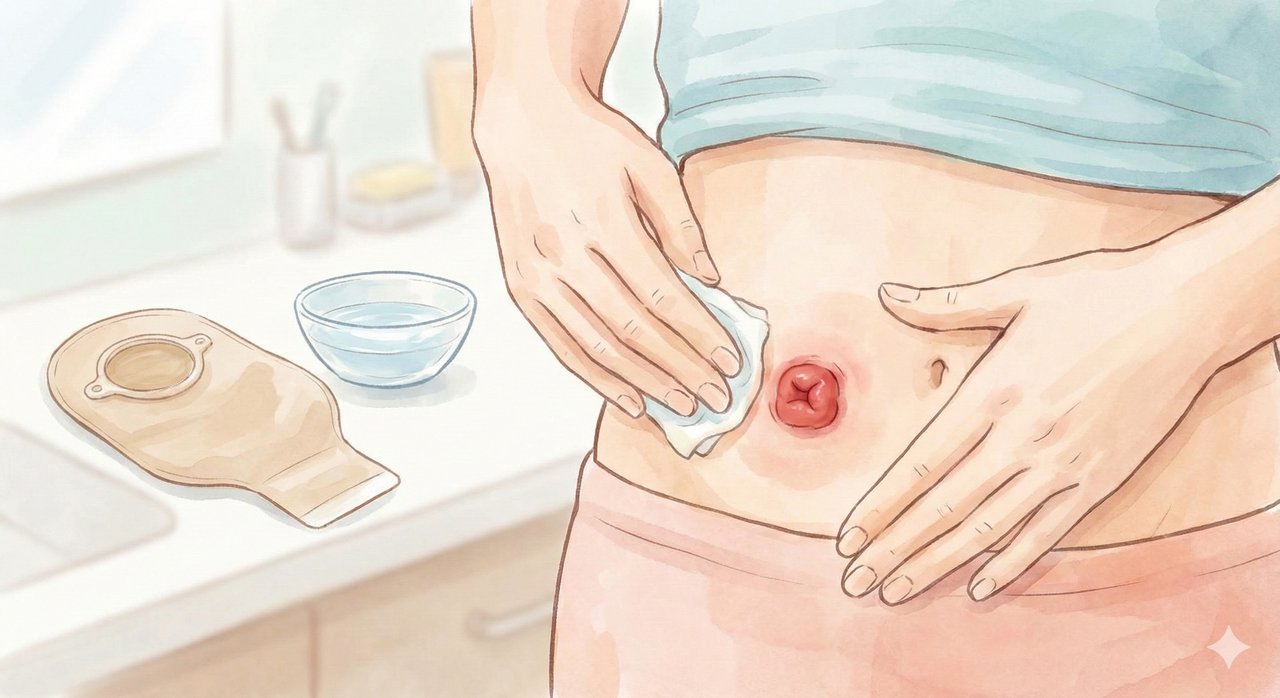
A Gentle Approach to Changing My Ostomy Pouch
 Ostomy BeltHernia support & leak prevention. Trusted by 50,000+ ostomates worldwide.Discover →
The process of changing my ostomy pouch is not only a routine task, but also an important part of maintaining skin health and emotional comfort. According to recommendations from the United Ostomy Associations of America, a calm and structured change reduces leakage, irritation, and anxiety.
If you’re new to the process, remember this: every successful change increases confidence. If you’re experienced, refining your technique can improve wear time and comfort.
Free guide · A gift from SIIL
The SIIL Ostomy Diet Guide — yours, free
Practical information on food and hydration for everyday life with a stoma.
Prefer it as a PDF in your inbox? Get it by email.
What I Need Before Changing My Ostomy Pouch
Here’s a simple checklist that helps me stay organized when changing my ostomy pouch:
- New ostomy pouch and barrier
- Warm water and soft cloths
- Adhesive remover wipes or spray
- Stoma measuring guide
- Barrier ring or paste (optional)
- Skin protective film or powder
- Disposal bag
- Medical scissors, if using cut-to-fit
The Cleveland Clinic emphasizes that preparation is one of the strongest predictors of a clean, effective change.
Step-by-Step Guide to Changing My Ostomy Pouch
Below is a calm, guided walkthrough — written as if someone were beside you offering reassurance — to make changing my ostomy pouch feel manageable.
1. Wash My Hands and Prepare My Space
The first step of changing my ostomy pouch is always hygiene. I wash my hands with warm water and soap, dry thoroughly, and gather all my supplies within reach.
2. Remove the Used Pouch Gently
I start at the top of the barrier, easing it away from the skin. Adhesive remover helps prevent irritation and makes the removal smooth.
3. Examine the Stoma and Skin
I look at the stoma’s color and shape, check for moisture, redness, or irritation, and ensure the skin looks healthy. If something seems unusual, the Mayo Clinic recommends contacting my ostomy nurse.
4. Clean the Area
Using warm water and soft cloths, I clean the skin gently. Soaps with oils or creams should be avoided because they affect adhesion.
5. Measure and Prepare the New Appliance
If necessary, I measure my stoma and cut the barrier opening to fit. Then I apply any rings or paste to fill gaps and support the seal.
6. Apply the New Pouch
I center the opening over the stoma and press smoothly around the barrier. Warming the adhesive with my hands improves the seal.
7. Stabilize and Protect
Once the new pouch is on, support products can help keep it secure as I move:
- SIIL Ostomy Belt — stabilizes the pouch and reduces movement
- Ostomy Underwear — offers comfort and concealment
- Stoma Guard Protector — shields the stoma during daily activities
What I Learned From Changing My Ostomy Pouch Over Time
The more I practiced changing my ostomy pouch, the more I realized a few truths:
- A calm mindset helps the pouch adhere better.
- Skin care is just as important as the pouch itself.
- Preparation prevents 90% of leaks.
- Having backup supplies reduces stress.
- Support garments make everyday movement easier.
Little habits add up to a routine that feels natural and empowering.
When Does Changing My Ostomy Pouch Need Extra Attention?
There are moments when I slow down and take a closer look. If I notice itching, redness, frequent leaks, or bleeding, I follow clinical guidance and reach out to a specialist. Caring for my skin is not optional — it’s essential.
High-output days, travel plans, or new physical activities may also change how I approach changing my ostomy pouch. This is where supportive products become especially useful.
Frequently Asked Questions
How often should I be changing my ostomy pouch?
Most people change their pouch every 3–7 days, depending on type and skin condition.
Is it normal for my stoma to bleed a little?
Minor bleeding is normal, but persistent bleeding should be evaluated by a nurse.
What if my skin is irritated?
Use skin barrier films or powders and ensure the opening fits properly. Seek guidance if irritation continues.
Can I shower when changing my ostomy pouch?
Yes. Many people prefer to shower between removal and application.
What can help keep my pouch secure during activity?
Support belts, ostomy underwear, and stoma protectors provide stability and comfort.
Keep reading
More from the SIIL journal

Ostomy life & care library
Hartmann’s Procedure: Why It’s Done, Life With the Colostomy, and Reversal
Hartmann's procedure explained: why it's done for diverticulitis and emergencies, life with the end colostomy, recovery, and when …
9 min read

Ostomy life & care library
J-Pouch vs Ileostomy: How People Choose and What Life Looks Like With Each
J-pouch vs permanent ileostomy: how J-pouch surgery works, the stages, bathroom trips, pouchitis, who is a candidate, and what dai…
11 min read

Ostomy life & care library
Retracted Stoma: Why It Happens, How to Stop the Leaks and Live Comfortably
A retracted stoma explained: why it happens, how convex pouches, seals and belts help stop leaks, when to call your nurse and what…
12 min read

Welcome offer
Join the SIIL family.
Get 20% off your first order.
Stories, tips and exclusive drops — once a month, never spam. Your code lands in your inbox the moment you subscribe.
By subscribing you accept our privacy policy. Unsubscribe in one click, anytime.
Welcome — check your inbox for the code.
$52.99
$52.99
$52.99
$44.99
$41.99
$44.99
$52.99
$39.99
$52.99
$44.99
$49.99
$102.99