

 ES
ES EN
EN GB
GB DE
DE FR
FRNo products in the cart.
Colostomy Reversal Problems – Common Issues, Risks, and Recovery Challenges
Colostomy reversal is a major milestone for many people, marking the return to a more familiar digestive process. While successful for most, it is important to understand the possible colostomy reversal problems that can occur during recovery. The bowel must readapt, the abdominal wall must heal, and the body goes through several adjustments before returning to predictable function.
This guide explains the most common colostomy reversal problems, based on recommendations from the Mayo Clinic, the Cleveland Clinic, and insights from the United Ostomy Associations of America. Additional support can be found on the SIIL Ostomy Reversal Hub: Ostomy Reversal Support Center.

Common Bowel Problems After Colostomy Reversal
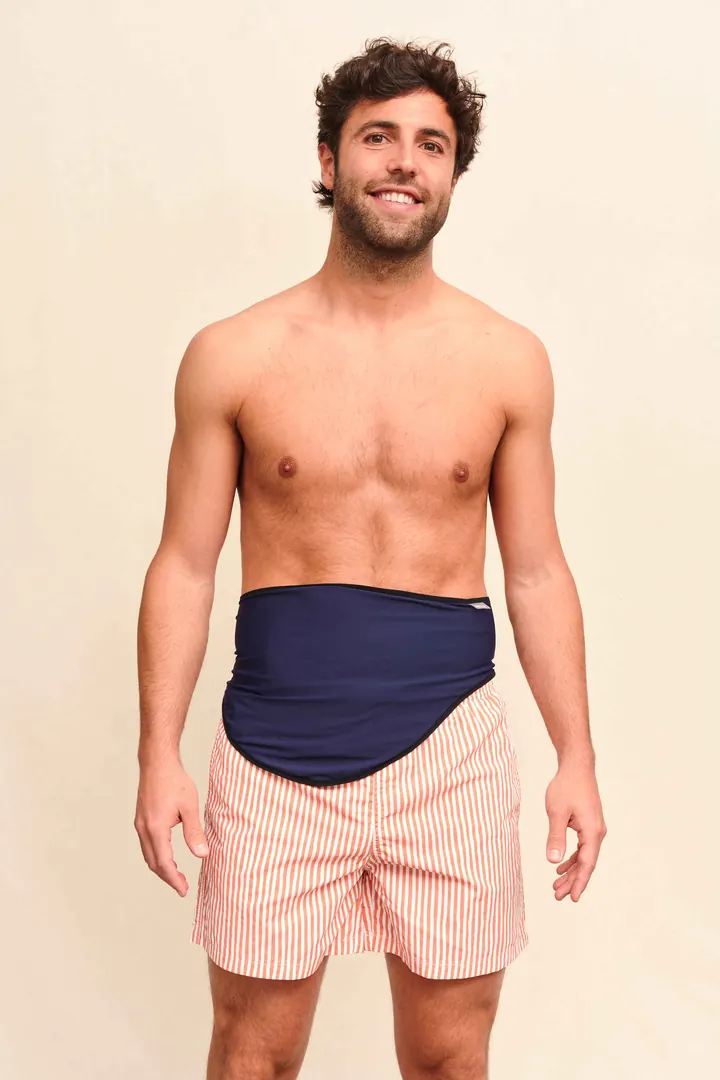 Ostomy BeltHernia support & leak prevention. Trusted by 50,000+ ostomates worldwide.Discover →
Why Is Bowel Irregularity Common After Reversal?
One of the most frequent colostomy reversal problems is bowel irregularity. The intestine must relearn how to regulate stool consistency, frequency, and fluid absorption. Loose stools, urgency, gas, and bloating are extremely common during the first weeks.
How Long Before Bowel Movements Become Normal?
The bowel may take weeks or even months to stabilize. Factors such as diet, hydration, pelvic floor strength, and underlying condition all influence recovery speed. A full timeline can be reviewed at: Ostomy Reversal Timeline Guide.
Free guide · A gift from SIIL
The SIIL Ostomy Diet Guide — yours, free
Practical information on food and hydration for everyday life with a stoma.
Prefer it as a PDF in your inbox? Get it by email.
Leakage and Incontinence Problems
Is Leakage Normal After Colostomy Reversal?
Yes. Stool leakage or difficulty holding bowel movements is a common issue in early recovery. Muscles that were inactive during the colostomy period may need time to strengthen again.
What Helps Improve Bowel Control?
Pelvic floor exercises, dietary adjustments, and slow bowel retraining help reduce leakage. Supportive garments such as ostomy underwear and ostomy belts provide gentle compression and confidence during this adjustment phase.
Infection and Wound Healing Problems
How Common Is Infection After Reversal?
Infection at the former stoma site is one of the more frequent colostomy reversal problems. Symptoms may include redness, swelling, tenderness, warmth, or drainage. Most infections respond well to early treatment.
How Can Patients Reduce Infection Risk?
Daily wound care, avoiding unnecessary pressure on the incision, and monitoring for early signs of infection are key. SIIL provides practical post-surgery guidance: Post-Reversal Healing Guide.
Bowel Obstruction After Colostomy Reversal
What Causes Blockages After Reversal?
Scar tissue, swelling, or narrowed intestinal segments can create partial or full obstructions. This is one of the more serious colostomy reversal problems.
What Symptoms Suggest an Obstruction?
Severe bloating, vomiting, cramping, and inability to pass gas or stool require immediate evaluation. The Cleveland Clinic offers further guidance: Understanding Bowel Obstruction.
Anastomotic Leak Problems
How Serious Is an Anastomotic Leak?
A leak at the reconnection site is rare but serious. It occurs when the bowel does not seal correctly after being rejoined. This is among the most concerning colostomy reversal problems.
What Are the Warning Signs of a Leak?
Fever, severe abdominal pain, rapid heart rate, and visible infection symptoms. Patients noticing any of these signs should seek emergency care immediately.
Diet and Food Sensitivity Problems
What Foods Commonly Trigger Symptoms After Reversal?
Spicy foods, dairy, caffeine, high-fiber meals, citrus, and carbonated drinks often cause discomfort. Temporary dietary sensitivity is one of the predictable colostomy reversal problems.
How Should Patients Reintroduce Foods?
Slowly and one at a time. A structured reintroduction plan helps identify triggers and supports bowel adaptation. See dietary tips here: Post-Reversal Diet Guide.
Hydration and Electrolyte Problems
Why Is Hydration Harder After Reversal?
The bowel’s ability to absorb water may be reduced temporarily, especially if a large segment was previously inactive. This makes dehydration one of the noteworthy colostomy reversal problems.
How Can Patients Maintain Hydration?
Frequent fluid intake, oral rehydration solutions, and avoiding alcohol are helpful steps. For guidance on managing dehydration risks, Mayo Clinic provides reliable hydration advice: Mayo Clinic Hydration Recommendations.
Emotional and Lifestyle Problems After Reversal
Is Anxiety Normal After Reversal?
Yes. Many patients feel overwhelmed by bowel unpredictability or worry about complications. Emotional adjustment is one of the underestimated colostomy reversal problems.
What Supports Emotional Recovery?
Support groups, counseling, and educational resources improve confidence. The UOAA provides community support: UOAA Support Groups.
Long-Term Colostomy Reversal Problems
Do Long-Term Issues Persist for Some Patients?
While most people recover fully, some may experience occasional urgency, sensitivity to foods, or mild leakage long term. These issues can usually be managed with lifestyle changes and supportive garments.
When Should Patients Contact a Doctor?
Persistent pain, worsening symptoms, or sudden severe bowel changes require evaluation. A full list of red flags is available through SIIL’s medical resource hub: Reversal Warning Signs.
Frequently Asked Questions
Are colostomy reversal problems common?
Yes. Bowel irregularity, diet sensitivity, and minor infection are common early in recovery.
Does stool leakage improve over time?
In most cases, yes. Pelvic floor exercises and bowel retraining help significantly.
How long does it take for digestion to stabilize?
Recovery varies but often takes several weeks to months.
Should I follow a special diet after reversal?
Yes. Starting with low-fiber foods and reintroducing items slowly helps manage symptoms.
Where can I learn more about recovery?
The SIIL Ostomy Reversal Hub offers comprehensive preparation and recovery guidance: Learn More Here.
Keep reading
More from the SIIL journal

Colostomy
Colostomy surgery
Colostomy surgery in plain words: why it is done, how to prepare, loop vs end colostomy, keyhole or open surgery, the hospital sta…
12 min read

Colostomy
Colostomy Care at Home: A Step-by-Step Guide to Your Daily Routine
Colostomy care step by step: emptying and changing the bag, cleaning the stoma and skin, food, odor, irrigation, clothes and when …
15 min read

Colostomy
Colostomy Bags & Swimming: What Actually Works
Yes, you can swim with a colostomy bag. Which setups work (mini bags, stoma caps), how to make the seal swim-proof, and what to we…
6 min read

Welcome offer
Join the SIIL family.
Get 20% off your first order.
Stories, tips and exclusive drops — once a month, never spam. Your code lands in your inbox the moment you subscribe.
By subscribing you accept our privacy policy. Unsubscribe in one click, anytime.
Welcome — check your inbox for the code.
$41.99
$52.99
$52.99
$41.99
$31.99
$44.99
$92.99
$72.99
$72.99
$102.99
$49.99
$72.99