
IBD Warriors: Finding Your People With Crohn’s, Colitis or an Ostomy
Quick answer: “IBD warrior” is a personal community label, not a diagnosis or a requirement to stay positive. You can use it, skip it or change your mind. People with Crohn’s disease or ulcerative colitis can find support with or without an ostomy—and you do not have to tell your whole medical story to belong.
Some days, “warrior” feels about right. You made it through an appointment, a difficult conversation or a grocery trip that required more planning than a small expedition.
Other days, you would prefer a nap and absolutely no inspirational speeches.
Both versions of you are welcome here. If you searched for IBD Warriors, you might want a community, a little courage or simply someone who understands why “you look fine” is not always helpful. Let’s start there.
What does IBD Warriors actually mean?
A label you get to choose
“Warrior” can express pride, determination or solidarity. It can also feel exhausting, especially when you already spend enough energy managing health appointments and everyday life. There is no membership test. You do not need to love the label to deserve support.
You can call yourself a person with IBD, an ostomate, a survivor, a warrior—or just your name. People close to you can ask which words you prefer rather than assigning you a heroic job description.
IBD and an ostomy are different things
Inflammatory bowel disease, or IBD, includes Crohn’s disease and ulcerative colitis. An ostomy is a surgically created opening that allows waste to leave the body. Some people with IBD have an ostomy; many do not. People can also have ostomy surgery for reasons unrelated to IBD. The Crohn’s & Colitis Foundation’s IBD overview explains the conditions, while its ostomy resource explains that distinction.
A shared diagnosis does not mean identical bodies, treatment plans or experiences. Community works best when it leaves room for those differences.

Finding a community that fits your real life
Start small and specific
You do not have to introduce yourself to an entire internet at once. Think about the question you most want to ask: navigating work, explaining an ostomy to a partner, returning to college or feeling comfortable in your clothes.
The Crohn’s & Colitis Foundation support-group finder includes filters for different communities, including ostomy and J-pouch groups. A smaller group that understands your current situation may feel easier than a busy general feed. Check the format, privacy rules and expectations before sharing.
Notice how people respond
A helpful community makes space for questions without turning every answer into a competition. Notice whether members respect different experiences, allow people to listen quietly and distinguish a personal story from a medical instruction.
Someone else’s treatment experience can give you a question to bring to your care team. It cannot tell you which medication, diet or surgery is right for your own body.

You can be hopeful without performing positivity
Give the difficult days somewhere to go
Relief, frustration, pride and sadness can occupy the same afternoon. A social-media photo captures a moment; it does not show the whole week.
The Foundation’s mental-health guidance recognizes the emotional strain of living with Crohn’s or colitis. If worry, low mood or overwhelm is affecting everyday life, tell your healthcare team and ask about appropriate support. Getting help belongs alongside looking after your physical health.

Make encouragement useful
Instead of demanding “Stay strong,” try asking, “What would make today easier?” A ride, a meal, a quiet visit or help organizing questions for an appointment can be more useful than a slogan.
If you are supporting someone, let them set the tone. Humor is welcome when they welcome it. Nobody needs their bowel condition turned into the surprise punchline at dinner.

When an ostomy becomes part of your IBD story
Learn the routine at your own pace
If surgery is part of your care, you may have practical questions about your pouch, skin, clothes and plans outside the house. The Foundation’s ostomy guide explains the role of your care team in teaching ostomy management. Bring questions to your ostomy nurse, even when they seem small or awkward.
Our living with an ostomy guide connects everyday topics such as getting dressed, going out and adjusting to a changed routine. Pick the section you need today. You do not have to become an expert before your next coffee outing.
Let comfort be personal
Some people like a soft layer, pocketed underwear or an ostomy wrap over their pouch. Others prefer their usual clothes without an extra layer. The useful question is how something feels on your body while you sit, bend and move—not whether it looks impressive in somebody else’s photo.
A garment can be part of getting dressed comfortably. It does not treat IBD or replace a correctly fitted pouching system. You can explore our guide to dressing with an ostomy for everyday clothing ideas.

A little support for everyday life
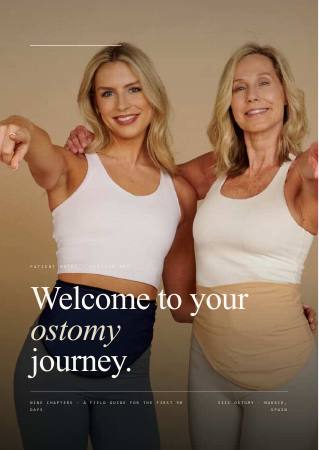
Your free New Ostomy Patient Guide
Recovery, clothing and the first months with a stoma — practical questions to explore with your care team.
Get the free guide →Opens a short email form. You’ll receive the guide and occasional emails; unsubscribe anytime.
Telling your story without giving away your privacy
Prepare one sentence, not a presentation
You might say, “I have a digestive condition and sometimes need a change of plans.” Or, “I have an ostomy; I’m happy to answer that question, but I’d rather keep the surgery details private.”
Choose the level of detail that fits the person and the situation. You are allowed to be open with a friend and private with a coworker. Permission to hear one part of your story is not permission to share it elsewhere.
Keep the jokes yours
Phrases such as “No colon, still rolling” can help some people express their experience with humor. They are optional, just like “warrior.” If that language feels like you, our No colon, still rolling article explores the phrase without turning recovery into a performance.

Questions people ask about IBD Warriors
Do I have to have an ostomy to be an IBD warrior?
No. IBD and ostomy communities overlap, but they are not interchangeable. People with Crohn’s or colitis have different treatment paths. Your need for community is valid wherever you are in yours.
What if I dislike being called a warrior?
Say so. “I know you mean well, but I prefer ‘person with IBD’” is enough. You can appreciate someone’s support while asking them to change the language.
Can I join a group without sharing photos or surgery details?
Ask the organizer about participation and privacy rules. You can decide what to share. Listening first is a reasonable way to find out whether a group feels right for you.
Where do I begin if I feel alone?
Choose one manageable connection: a support-group inquiry, a conversation with someone you trust or a request to your care team for support resources. The Foundation’s community hub offers starting points. You do not have to find every answer today.
For optional clothing with a pouch pocket, explore SIIL ostomy underwear or ostomy wraps and compare the fit with the clothes you enjoy.
More from the SIIL journal

Living with an Ostomy
How to clean a stoma and the skin around it, how to clean a drainable ostomy or colostomy bag, whether to rinse the pouch and what…

Living with an Ostomy
A prolapsed stoma explained: what it looks like, why it happens, what helps at home, emergency signs, pouching and clothing tips, …

Living with an Ostomy
Is stoma bleeding normal? Why stomas bleed, how to stop it, blood in the pouch vs bleeding around the edge, and when to call your …

Welcome offer
Stories, tips and exclusive drops — once a month, never spam. Your code lands in your inbox the moment you subscribe.
By subscribing you accept our privacy policy. Unsubscribe in one click, anytime.
$52.99
$92.99
$49.99
$92.99
$72.99
$72.99
$41.99
$49.99
$44.99
$39.99
$41.99
$92.99