

 ES
ES EN
EN GB
GB DE
DE FR
FRNo products in the cart.
Colostomy Guide: Diet, Irrigation, Lifestyle & Confidence
Living with a colostomy doesn’t mean giving up your favorite foods, travel, intimacy, or style. This comprehensive 2025 colostomy guide covers everything: from daily care and diet to irrigation, clothing, exercise, and long-term thriving. Whether you’re pre-surgery, post-op, or a veteran ostomate, this colostomy resource helps you live confidently.
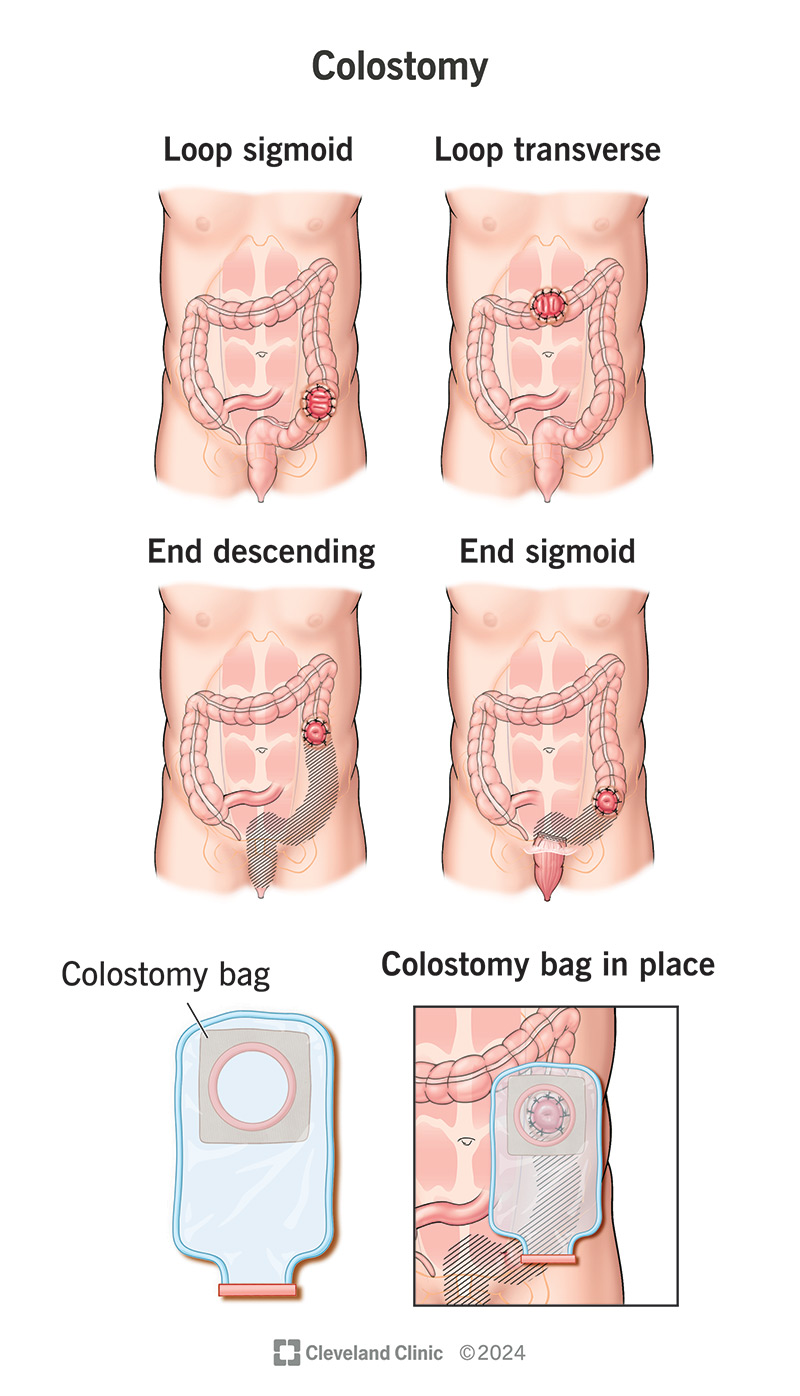
Table of Contents
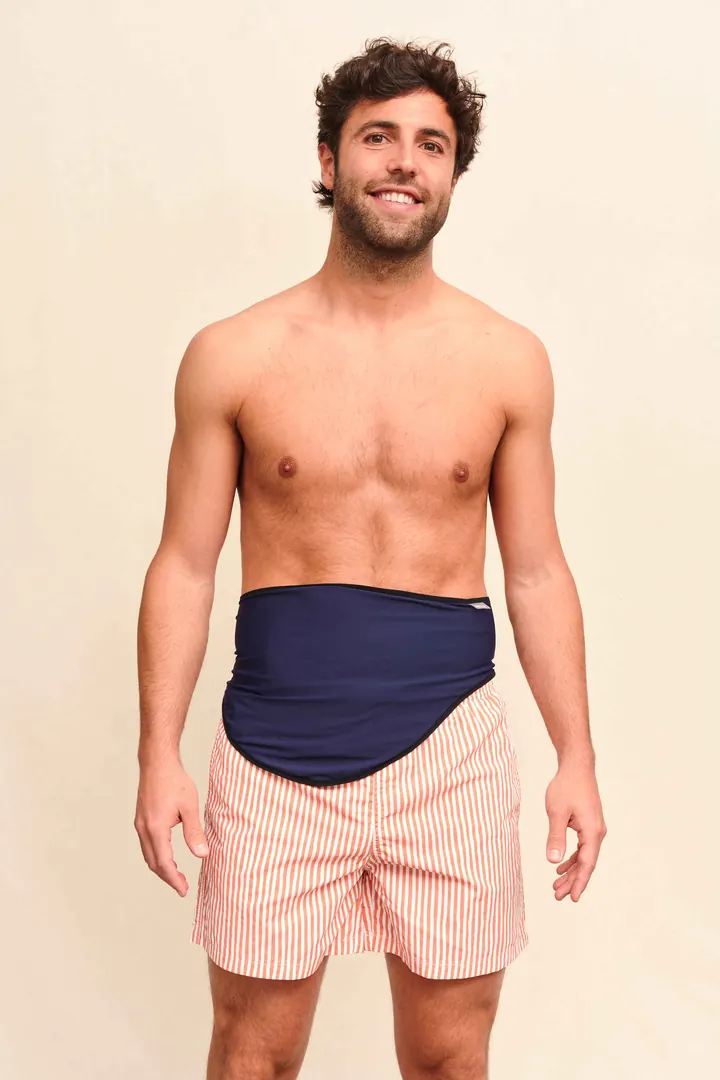 Ostomy BeltHernia support & leak prevention. Trusted by 50,000+ ostomates worldwide.Discover →
- What Is a Colostomy?
- Types of Colostomy
- Colostomy Diet Guide
- Colostomy Irrigation
- Daily Pouch Care
- Clothing & Concealment
- Sports & Exercise
- Travel Tips
- Intimacy & Relationships
- Complications
- FAQs
Need discreet support? Shop OSTOMY Clothing
Free guide · A gift from SIIL
The SIIL Ostomy Diet Guide — yours, free
Practical information on food and hydration for everyday life with a stoma.
Prefer it as a PDF in your inbox? Get it by email.
What Is a Colostomy?
A colostomy is a surgically created opening in the large intestine (colon) that allows waste to exit the body into an external pouch. It’s performed when part of the colon is damaged, removed, or needs to heal. Common reasons include colorectal cancer, diverticulitis, Crohn’s disease, ulcerative colitis, or trauma.
Unlike an ileostomy (small intestine), a colostomy typically produces formed or semi-formed stool because water is absorbed in the colon. This makes colostomy care more predictable for many patients.
According to the United Ostomy Associations of America (UOAA), over 750,000 Americans live with a colostomy or ileostomy. Most return to normal activities within 8–12 weeks.
Types of Colostomy: Location & Output
The type of colostomy depends on where the surgeon creates the stoma:
- Descending/Sigmoid Colostomy (left side): Most common. Produces formed stool. Ideal for irrigation and control.
- Transverse Colostomy (upper abdomen): Softer, paste-like output. Often temporary (loop or double-barrel).
- Ascending Colostomy (right side): Liquid output. Rare, usually due to right-side colon issues.

Knowing your colostomy type helps tailor diet, irrigation, and pouching systems.
Colostomy Diet: Foods to Eat & Avoid in 2025
After full healing (6–8 weeks), most foods are allowed with a colostomy. The goal is to maintain regular, formed output while preventing gas, odor, or blockage.
Key Rules for Colostomy Diet:
- Chew food thoroughly to aid digestion
- Drink 8–10 cups of water daily
- Introduce high-fiber foods gradually
- Eat smaller, frequent meals
| Goal | Foods to Eat | Foods to Limit |
|---|---|---|
| Thicken Stool | Bananas, white rice, applesauce, peanut butter, oatmeal, bread | Prunes, alcohol, spicy foods, caffeine |
| Reduce Gas/Odor | Yogurt, parsley, buttermilk, cranberry juice | Beans, broccoli, cabbage, onions, carbonated drinks |
| Prevent Blockage | Cooked vegetables, peeled fruits, ground nuts | Celery, corn, popcorn, mushrooms, raw nuts |
Pro tip: Keep a colostomy food journal for the first 3 months to identify triggers.
Colostomy Irrigation: Step-by-Step Guide
Colostomy irrigation is a game-changer for eligible patients. It regulates bowel movements, allowing 24–48 hours without a pouch. Only suitable for descending or sigmoid colostomy with formed stool.
How to Irrigate Your Colostomy
- Sit on or near the toilet
- Hang irrigation bag 2–3 feet above waist
- Lubricate cone tip
- Insert cone gently into stoma
- Infuse 500–1000mL warm water slowly (5–10 min)
- Remove cone and wait 30–45 minutes for full return
- Clean stoma and apply mini cap or patch
Irrigation takes practice. Work with a WOCN nurse for training. Not everyone needs or wants irrigation — many manage well with standard pouching.
Daily Pouch Care & Skin Protection
Proper colostomy pouch care prevents leaks, odor, and skin irritation:
- Change pouch every 3–7 days (or sooner if leaking)
- Use one-piece or two-piece systems based on preference
- Empty pouch when 1/3–1/2 full
- Clean peristomal skin with warm water only (no alcohol)
- Apply barrier cream, ring, or paste for leaks
- Use stoma powder for moist or irritated skin
Modern colostomy pouches are odor-proof when sealed. Add M9 drops or pouch deodorant for extra confidence.
Clothing, Fashion & Concealing Your Colostomy
You can wear anything with a colostomy! The key is choosing fabrics and cuts that feel comfortable and secure.
- High-waisted pants/leggings: Hide pouch bulge
- Loose tops or patterns: Camouflage outline
- SIIL Ostomy underwear: Built-in pocket + support belt
- Avoid tight belts directly over stoma

Many ostomates wear swimsuits, dresses, and athletic wear without issue. Confidence comes with time and the right gear.
Sports, Work & Exercise with a Colostomy
After 8 weeks of healing, most activities are safe. Use a stoma guard or hernia belt for high-impact sports.
- Safe: Walking, swimming, cycling, yoga, golf, dancing
- With Protection: Weightlifting, running, soccer
- Avoid: Extreme contact sports (boxing, MMA) without medical clearance
Many colostomy patients return to desk jobs, manual labor, or athletics. Listen to your body and start slow.
Travel Tips with a Colostomy
Traveling with a colostomy is easier than you think:
- Pack 2x supplies in carry-on
- Pre-cut barrier wafers
- Carry a doctor’s note or TSA card
- Bring extra pouches, wipes, and deodorant
- Research medical facilities at destination
Air travel tip: Pouch filters may whistle during pressure changes — cover with tape.
Intimacy, Sex & Relationships
Sexual activity can resume 4–6 weeks post-surgery. Temporary changes in libido or function are common but treatable.
- Empty/clean pouch before intimacy
- Use pouch covers, lingerie, or mini pouches
- Try side-lying or spooning positions
- Communicate openly with partner
Many couples report stronger relationships after colostomy surgery due to improved communication.
Colostomy Complications & When to Call Your Doctor
Call immediately if:
- No output for >12 hours
- Severe pain, bleeding, or fever >100.4°F
- Stoma turns dark/purple
- Persistent nausea or vomiting
Common issues: Hernia, prolapse, skin irritation — all manageable with early care.
Frequently Asked Questions
Can I eat normally with a colostomy?
Yes — after 6–8 weeks, most foods are safe. Chew thoroughly, stay hydrated, and avoid known triggers.
Is colostomy irrigation safe?
Yes — only for descending/sigmoid colostomy. Always train with a WOCN nurse first.
Can I wear regular clothes with a colostomy?
Absolutely. SIIL Ostomy high-waisted underwear provides discreet support and concealment.

Written by: John Rainier Yumang, Health Content Specialist
Published by: SIIL Ostomy
Last reviewed: November 14, 2025
Keep reading
More from the SIIL journal

Ostomy life & care library
Hartmann’s Procedure: Why It’s Done, Life With the Colostomy, and Reversal
Hartmann's procedure explained: why it's done for diverticulitis and emergencies, life with the end colostomy, recovery, and when …
9 min read

Ostomy life & care library
J-Pouch vs Ileostomy: How People Choose and What Life Looks Like With Each
J-pouch vs permanent ileostomy: how J-pouch surgery works, the stages, bathroom trips, pouchitis, who is a candidate, and what dai…
11 min read

Ostomy life & care library
Retracted Stoma: Why It Happens, How to Stop the Leaks and Live Comfortably
A retracted stoma explained: why it happens, how convex pouches, seals and belts help stop leaks, when to call your nurse and what…
12 min read

Welcome offer
Join the SIIL family.
Get 20% off your first order.
Stories, tips and exclusive drops — once a month, never spam. Your code lands in your inbox the moment you subscribe.
By subscribing you accept our privacy policy. Unsubscribe in one click, anytime.
Welcome — check your inbox for the code.
$72.99
$102.99
$39.99
$72.99
$44.99
$41.99
$52.99
$52.99
$52.99
$52.99
$49.99
$39.99