

Ostomy travel insurance: what actually covers you
Quick answer: "Ostomy travel insurance" usually means one of two very different things: a trip policy you buy for a specific vacation, or your regular health plan back home that pays for your pouches and barriers. Neither one is one-size-fits-all — what matters is declaring your stoma honestly when you buy, and asking the insurer in writing how they handle a pre-existing condition, lost supplies and getting you home. And whatever the policy says, you still pack double what you think you need in your carry-on.
You've booked the flight. Then, somewhere around 11pm, you fall into a rabbit hole of insurance jargon written by people who have clearly never tried to empty a pouch in an airplane bathroom at 30,000 feet. Here's the honest version — not legal advice, just what actually matters when you're the one traveling with a stoma.
The two things people mean by "ostomy travel insurance"
 Ostomy BeltHernia support & leak prevention. Trusted by 50,000+ ostomates worldwide.Discover →
Before you compare anything, get clear on which problem you're solving. They're related, but they're bought differently and they fail differently.
- Trip / travel insurance: a short-term policy for one journey (or a year of journeys). It's about the trip — cancellations, delays, lost baggage, and getting you looked after or brought home if something goes sideways while you're away.
- Your health plan at home: the one that determines whether your pouches, barriers, wafers and accessories are covered, how many you get per month, and which supplier you have to order from. This is the plan people are really asking about when they type "does insurance cover ostomy supplies."
The mistake I see most often in groups: people assume a travel policy will replace their supplies if the airline loses a suitcase. Baggage cover might reimburse the value of what was lost — but it won't hand you a box of barriers in a hotel lobby on a Sunday. Money is not the same as supplies. Plan for both.
What to actually ask before you buy a travel policy
Coverage varies wildly by insurer, plan and country, so the useful move isn't "which company is best" — it's asking the same set of questions and comparing the answers you get in writing. Screenshot the chat, save the email. Here's the shortlist.
| What to ask | Why it matters to you specifically |
|---|---|
| "Do I need to declare my stoma, and what happens if I don't?" | Most policies ask about pre-existing conditions. Declaring is almost always the right call — an undeclared one is the classic reason claims get denied. Say it plainly, in the words on your paperwork. |
| "Is there an extra premium once I declare, and how much?" | Sometimes it's small. Sometimes it's nothing. You want the number before you pay, not after. |
| "What's covered if I need care abroad related to my stoma?" | Some policies exclude anything connected to a declared condition. That's the single line that decides whether the policy is worth anything to you. |
| "Is there a 24/7 assistance line, and do they help locate supplies locally?" | A phone number that answers at 3am in another time zone is worth more than a long list of benefits. |
| "How does baggage cover work for medical supplies in checked bags?" | Many policies treat medical items differently from clothes. Ask what proof they want — receipts, photos, a supplier list. |
| "Are cruises, road trips outside the country and adventure activities included?" | Cruises and anything labeled "adventure" are often separate add-ons. Camping, hiking and water parks usually aren't a problem — check anyway. |
One more: ask whether the policy covers trip cancellation for a reason connected to your stoma. That's the piece people forget, and it's the one that stings when a non-refundable booking is on the line.
Does insurance cover ostomy supplies — and are ostomy bags ever free?
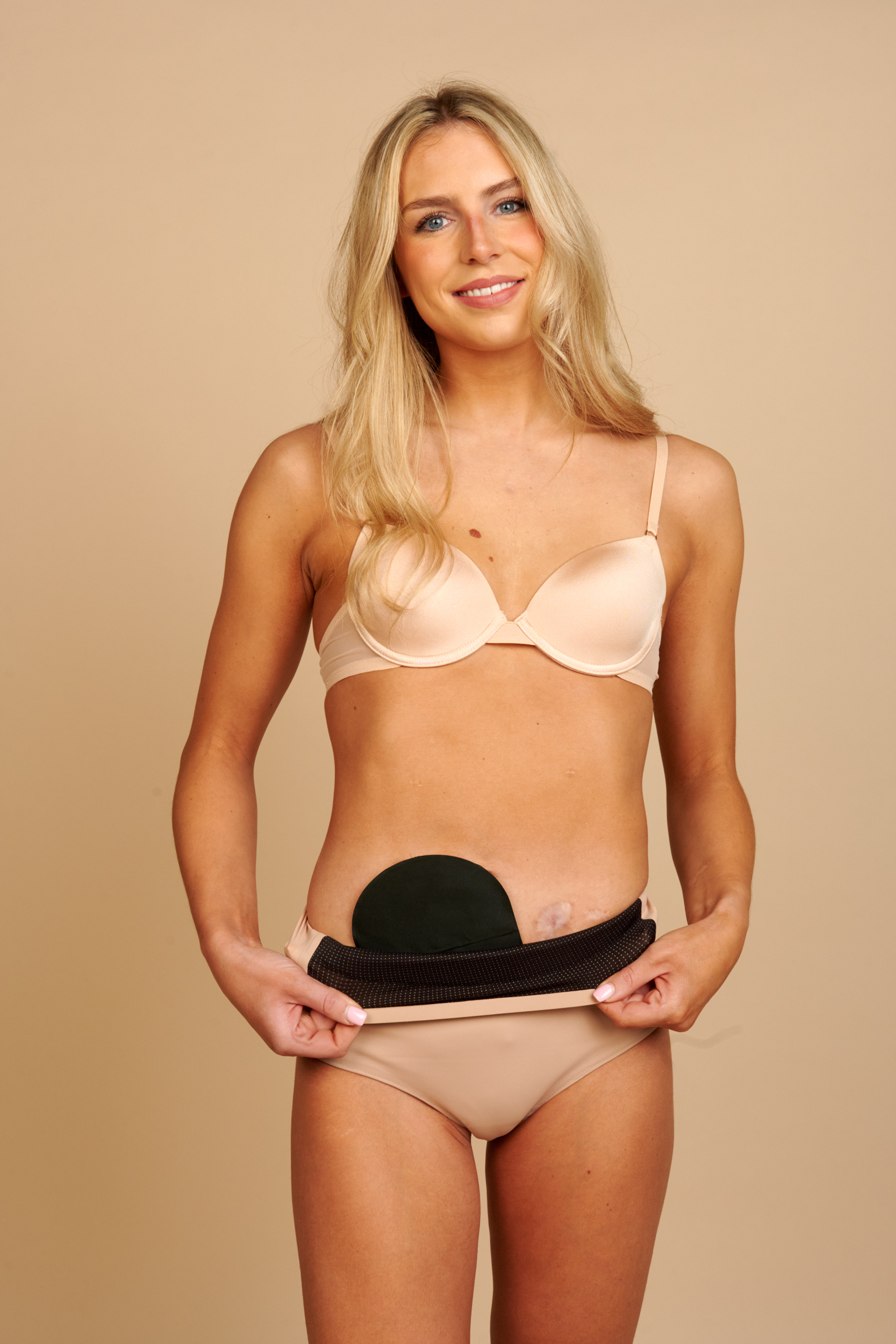
In the US, "free" isn't usually the right word — that's more of a UK/NHS framing that floats around international groups. Here, supplies typically run through your health plan like other ongoing supplies: usually a monthly allowance of pouches and barriers, with what you pay out of pocket depending on your plan, your deductible and where you order. Some people pay very little; some pay a lot in January and almost nothing in October. Both are normal, and neither means you did something wrong.
The practical steps that actually move the needle:
- Call the number on your card and ask for a benefits check on ostomy supplies. Ask specifically about monthly quantity limits and which suppliers are in network.
- Ask a supplier to run the check for you. Many mail-order ostomy suppliers will verify your benefits before shipping anything — that's the fastest way to find out what you'll owe. That's the real answer to "ostomy suppliers that accept insurance": ask two or three to verify, and compare what they come back with.
- Request samples before you commit. Ask the manufacturers directly — Coloplast, Hollister and ConvaTec are the names you'll see most. Finding out a barrier doesn't suit your skin before a 90-day supply lands on your porch saves everyone money. If you're still testing systems, our rundown of the different pouch types and who they suit is a decent starting map.
- Keep a running photo of your product codes in your phone. When you're away from home and need a reorder or an emergency swap, having exact codes turns a two-hour problem into a five-minute one.
And the honest caveat: none of this is standard across plans. Anyone who tells you flatly "insurance covers it" or "you get them free" is guessing. Get your own answer in writing once, and you're set for the year.
The packing plan no policy can replace
This is where experience beats paperwork. Ask any group about flying and you'll get the same answers, over and over, because they work.
- Everything essential goes in your carry-on. Full stop. Checked bags travel independently of you sometimes.
- Double what you think you need, then add two. Heat, unfamiliar food and long days change your routine. If you normally get three days from a change, plan like you'll get one and a half. Our guide on how often to change and empty your pouch is a good baseline to work from.
- Split your supplies across two bags if you're traveling with someone. Half in yours, half in theirs.
- Pre-cut your barriers at home. No scissors in the carry-on, no fiddling in a cramped bathroom.
- Build a grab-kit: one full change, disposal bags, dry wipes, a couple of paper towels, and a spare pair of underwear in a zip bag. It lives in your day bag, not the hotel room.
- Keep a replacement kit in the car. Community classic — a small sealed box in the trunk, swapped out monthly so nothing degrades in summer heat. It has saved more road trips than any insurance policy ever has.
Packing well is also a wardrobe question. High-waisted pieces that sit above the barrier mean you're not readjusting in an airport bathroom every two hours — take a look at the SIIL high-waisted ostomy underwear range if your current travel outfit involves a lot of quiet tugging. A support belt under a shirt does the same job on long-haul days.
Airport security, TSA and the swab
The first time flying is the part that keeps people up at night, and it's almost always smaller than expected. What ostomates consistently report:
- You can request a private screening at any point. You don't need a reason beyond asking.
- Carrying a TSA notification card (or the travel card many pouch brands provide) makes the conversation shorter. It's not a golden ticket, but it changes the tone.
- If the body scanner flags the area over your pouch, expect a pat-down and possibly a swab of your hands — the same explosive-trace check other travelers get. Nothing personal, nothing about you.
- TSA PreCheck is genuinely worth it if you fly more than twice a year. Fewer steps, less crowd, less rushing.
- Go through security after an empty. Sounds obvious. People forget in the taxi panic.
Nine times out of ten it's forty extra seconds. And once you're through, the rest of the trip is just… a trip.
What you actually get to do (the part nobody insures)

Insurance is the boring admin at the front of the story. The story itself is better. People in our community camp for a week with a colostomy and come back raving. They do theme parks in triple-digit heat with an extra water bottle and a shaded mid-afternoon break. They swim — actually swim, in the ocean, in front of people — because a well-fitted high-waisted swimsuit holds everything flat and nobody on that beach is looking.
Small things that make hot-weather travel easier: a fabric bag cover so nothing sticks to your skin all day, an extra change on the days you're outdoors, and loose linen over structured waistbands when the temperature climbs. If odor worries are part of the anxiety, our practical guide to managing odor covers the real-life fixes.
Travel light. Feel like yourself.
High-waisted, seamless pieces designed to sit above your barrier — so what you're thinking about on vacation is the view, not your waistband.
A five-minute checklist before you book
- Declare your stoma on the policy application. In writing. Always.
- Save the insurer's 24/7 assistance number in your phone and on paper in your wallet.
- Screenshot your product codes and your supplier's contact details.
- Photograph your supplies laid out before you pack — useful if you ever need to claim on lost baggage.
- Locate one pharmacy or supplier near your destination. You'll probably never need it. You'll sleep better anyway.
- If you're newer to all this, our new ostomy patient guide covers the basics that make every trip after this one easier.
Frequently asked questions
Can I get travel insurance if my surgery was recent?
Usually yes, but insurers often ask how long ago it was and whether anything is still being adjusted. Answer honestly — a recent date might mean a higher premium or a specific exclusion, but a wrong one can void the whole policy. Insurers vary a lot here, so get two or three quotes rather than accepting the first answer.
What do I actually do if the airline loses my checked supplies?
First, this is why the essentials ride in your carry-on. If it does happen: file the baggage report at the airport before you leave (you'll need it for any claim), then call your supplier at home with your product codes and ask what they can do, and check local pharmacies — pouches and barriers exist worldwide, even if the brands and product names look unfamiliar. Call ahead rather than assuming your usual product is on the shelf.
Is a cruise treated differently from a normal vacation?
Often, yes. Cruise cover is frequently a separate add-on because care at sea and getting someone ashore are handled differently. Ask specifically, and while you're at it, ask about port stops in countries not listed on your main policy.
How long until traveling feels normal again?
For most people, the second trip is dramatically easier than the first — the first one is where you learn what your body does in heat, on planes and on someone else's schedule. Start with a two-night trip somewhere close before the big one. It's the cheapest confidence you'll ever buy.
Do I need to tell my employer or travel companions anything before a work trip?
You don't owe anyone an explanation. Practically, though, a lot of people tell one trusted colleague or travel buddy — mostly so an unplanned bathroom stop doesn't need a story attached. Keep your grab-kit in your work bag and you'll rarely need to say anything at all.
Can I still do water parks, hot tubs and long beach days?
Plenty of ostomates do all three. Heat and prolonged water can shorten wear time, so pack an extra change for those days and check your barrier edges before you get in. Barrier strips help some people; others swear by a well-fitted high-waisted swimsuit and nothing else. Test at a local pool before the trip so you know what your setup does.
The paperwork is done. Now pack.
Swimwear, underwear and belts cut to sit above your barrier — so the only thing you're checking on holiday is the departure board.