

 ES
ES EN
EN GB
GB DE
DE FR
FRNo products in the cart.
Preparing for Ostomy Surgery: What to Expect + a Real Checklist
Quick answer: Preparing for ostomy surgery is mostly about two things: getting your questions answered and packing smart. Ask your care team where your stoma will sit (this matters for waistbands later), pack loose clothes, high-waisted underwear, lip balm, and your own pillow, and line up a couple of go-to comfort items for the first weeks home. You don't need to buy out the pharmacy — you'll figure out your routine faster than you think.
If you're reading this the night before, or three weeks out, or you just got the date and your stomach dropped — you're in exactly the right place. Most of us have sat where you are: scared, googling at 2am, wondering "is this worth it?" Here's the honest version. The waiting and the not-knowing are almost always the hardest part. Once you're on the other side and feeling like yourself again, a lot of people say the same thing — they wish they'd stopped being so afraid of it. Let's get you prepared so the day feels less like a cliff edge and more like a plan.
What actually happens before surgery day
 Ostomy BeltHernia support & leak prevention. Trusted by 50,000+ ostomates worldwide.Discover →
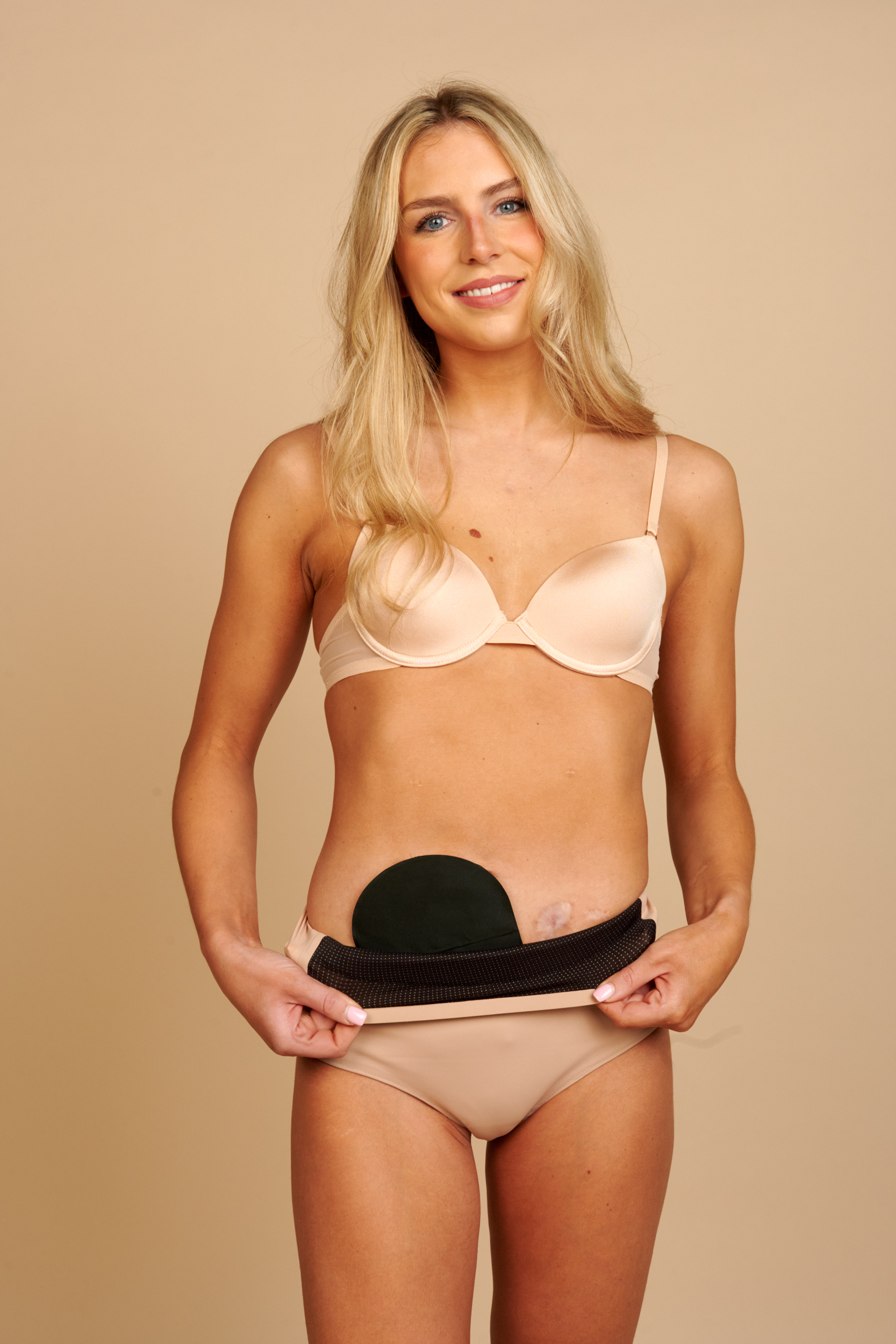
The lead-up usually involves a few appointments, some paperwork, and — the one that genuinely changes your life afterward — the stoma marking. Someone on your team will look at where you sit, bend, and where your waistbands land, then mark the spot where your stoma will be placed. This is not a formality. A well-placed stoma is the difference between an easy routine and a fiddly one, so speak up here. Tell them where your jeans usually sit and whether you wear your trousers high or low. It's your body they're mapping.
You'll likely be told when to stop eating and drinking, and possibly given prep instructions for the day before. Follow those to the letter — it's the one bit of homework that actually matters. Beyond that, the real preparation is mental and logistical: getting your head around what a stoma is, and setting up your home so coming back is soft, not stressful. If you're still fuzzy on the basics, our plain-language explainer of what an ostomy actually is is a calm place to start.
A free head start
The New Ostomy Patient Guide — everything we wish we'd known
From the first pouch change to getting dressed and back out into the world, this is the friendly walk-through we all needed before surgery. No jargon, just real lived experience.
The hospital bag: what to actually pack
Forget the generic packing lists. Here's what ostomates say made the biggest difference to their first days, and what you can skip.
| Worth packing | Why it earns its place |
|---|---|
| Loose, high-waisted underwear | Nothing that digs across your abdomen. High-waisted sits above the pouch, not on it. |
| Zip-up hoodie or button shirt | Easier than pulling anything over your head early on. |
| Loose joggers or a soft dress | Elastic waist that you can position above or below the stoma. |
| Your own pillow | Doubles as an abdomen cushion when you cough, laugh, or get in the car. |
| Lip balm & long phone charger | Small comforts. The charger that reaches the bed is genuinely gold. |
| A short list of your questions | You'll forget them the second the nurse walks in. Write them down. |
| Flip-flops or grippy socks | For the first shuffles down the corridor. |
You do not need to arrive with a suitcase of pouches and accessories — the hospital sets you up with your first supplies and shows you how to use them. Buy the big stuff after, once you know which system suits you. If you want to understand your options ahead of time, our roundup of the most popular ostomy bags covers the main brands honestly, and how often you'll change and empty a pouch answers the question everyone's secretly wondering.
Will it be a stoma, a j-pouch, or a reversal — and what changes?
A lot of people arrive at surgery having been "given the option," or unsure whether their stoma is forever. It's a fair thing to feel torn about. Rather than repeat the same section three times, here's the honest at-a-glance version of what tends to differ.
| Situation | What to know going in |
|---|---|
| Colostomy | Output is often thicker and more predictable; many people settle into fewer empties a day. |
| Ileostomy | Output is looser and more frequent early on; hydration and a solid routine matter more. |
| Temporary (with reversal planned) | You may have a second surgery later. Worth asking roughly when and what recovery looks like. |
| J-pouch route | Often involves a temporary stoma first anyway — so the prep here still applies. |
If you're weighing the differences, ileostomy vs colostomy lays it out plainly, and if a reversal is on the table, what people run into after a reversal is worth a read so you're not caught off guard either way. The takeaway: whichever path you're on, the daily reality is far more manageable than the pre-surgery version in your head.
Setting up home so coming back is easy

The version of you that comes home wants everything within arm's reach. Before you leave, do a lap of your home and sort a few things: a small basket of pouch supplies somewhere easy to grab, a couple of clean towels near where you'll change, and your comfiest clothes at the top of the drawer instead of buried. Set up a "recovery corner" — a chair or side of the sofa with your charger, water, and a blanket. It sounds fussy. It's not. It's the difference between resting and getting up fifteen times.
Stock the kitchen with easy, gentle food you actually like — this isn't the week for a fridge full of ingredients that need effort. Have loose clothing ready that won't press on a tender belly. Many people find a soft support wrap takes the pressure off and makes them feel held together in those first weeks, and if you're heading back to your usual wardrobe, the best trouser styles for ostomates saves you a lot of trial and error.
Feel like yourself the day you get home.
High-waisted, soft-on-the-belly underwear that sits above your stoma — designed to look good, not clinical. The first thing a lot of ostomates wish they'd had ready before surgery.
The part nobody preps you for: the emotional bit
You can pack a perfect bag and still feel wobbly. That's normal. The fear before surgery is loud, and then — for most people — it goes surprisingly quiet afterward. The thing worth holding onto now is this: a stoma doesn't put your life on hold. People with stomas swim, date, travel, run marathons, wear the dress. If you need proof on a hard day, look at how many public figures live with a stoma without slowing down at all.
A few real-talk things that help before the date:
- Find your people. One honest conversation with someone who's had the surgery beats a hundred hours of googling.
- Ask "is it worth it?" out loud. Almost everyone who's on the other side says yes — usually because they finally felt well.
- Let yourself be scared and still go. Brave isn't the absence of fear. You can do both.
- Don't decide how you'll feel about your stoma before you meet it. Give it a few weeks.
And if the first look at your stoma throws you — totally normal — knowing what a healthy one looks like helps, so what stoma color means is a reassuring bookmark for week one.
Your pre-op checklist, in one place
Screenshot this. It's the whole thing, stripped down.
- ☐ Ask exactly where your stoma will be marked (mention your usual waistline)
- ☐ Confirm your eat/drink cut-off and any prep instructions
- ☐ Pack: loose high-waisted underwear, zip-up top, soft bottoms, your own pillow
- ☐ Pack: charger with a long cable, lip balm, grippy socks, written questions
- ☐ Set up a recovery corner at home before you leave
- ☐ Stock easy, gentle food you actually enjoy
- ☐ Have a support wrap and comfortable clothes ready to wear day one
- ☐ Arrange a lift home and someone to help the first days
- ☐ Line up one person who's been through it to talk to
Frequently asked questions
How long before I can shower normally after surgery?
Most people are surprised how soon they can shower — and yes, water on your stoma is completely fine, it won't hurt it. Your team will tell you when to start based on your incision. When you do, keep it simple: shower with or without your pouch, pat dry, and carry on. It's far less delicate than it feels beforehand.
Can I still eat normally, or is everything off the menu now?
You'll likely start gentle and reintroduce foods gradually, but the long game is that most ostomates eat a wide, normal diet. Early on you learn which foods your body handles best, and it becomes second nature fast. The idea that you're stuck on bland food forever just isn't true for the vast majority of people.
What should I wear the day I'm discharged?
Something soft with a waistband that sits above or well below your stoma — think joggers, a loose dress, or high-waisted underwear under an easy layer. Avoid anything that presses across your abdomen or has to go over your head. The goal is zero pressure and zero fuss.
Is a temporary stoma really that different to prepare for than a permanent one?
Day-to-day, no — the prep, the packing, and the home setup are identical. The main difference is mindset and planning around a possible second surgery later. Either way, treat it as a real routine to learn now, not a placeholder, because it makes those first weeks smoother.
Will people be able to tell I have an ostomy bag under my clothes?
In the vast majority of cases, no. Under normal clothing a pouch is discreet, and the right underwear or a support wrap keeps everything flat and secure. Most ostomates find that after a couple of weeks they stop thinking about it entirely — and so does everyone around them.
How soon can I get back to swimming or the beach?
Once you're healed and cleared, swimming is absolutely on the table — pools, sea, all of it. Plenty of ostomates swim regularly. Swimwear designed with a higher, supportive front makes it feel completely secure, so it's a lovely thing to look forward to rather than dread.
Keep reading
More from the SIIL journal

Ostomy life & care library
Hartmann’s Procedure: Why It’s Done, Life With the Colostomy, and Reversal
Hartmann's procedure explained: why it's done for diverticulitis and emergencies, life with the end colostomy, recovery, and when …
9 min read

Ostomy life & care library
J-Pouch vs Ileostomy: How People Choose and What Life Looks Like With Each
J-pouch vs permanent ileostomy: how J-pouch surgery works, the stages, bathroom trips, pouchitis, who is a candidate, and what dai…
11 min read

Ostomy life & care library
Retracted Stoma: Why It Happens, How to Stop the Leaks and Live Comfortably
A retracted stoma explained: why it happens, how convex pouches, seals and belts help stop leaks, when to call your nurse and what…
12 min read

Welcome offer
Join the SIIL family.
Get 20% off your first order.
Stories, tips and exclusive drops — once a month, never spam. Your code lands in your inbox the moment you subscribe.
By subscribing you accept our privacy policy. Unsubscribe in one click, anytime.
Welcome — check your inbox for the code.
$31.99
$92.99
$52.99
$41.99
$52.99
$39.99
$44.99
$92.99
$41.99
$92.99
$52.99
$44.99