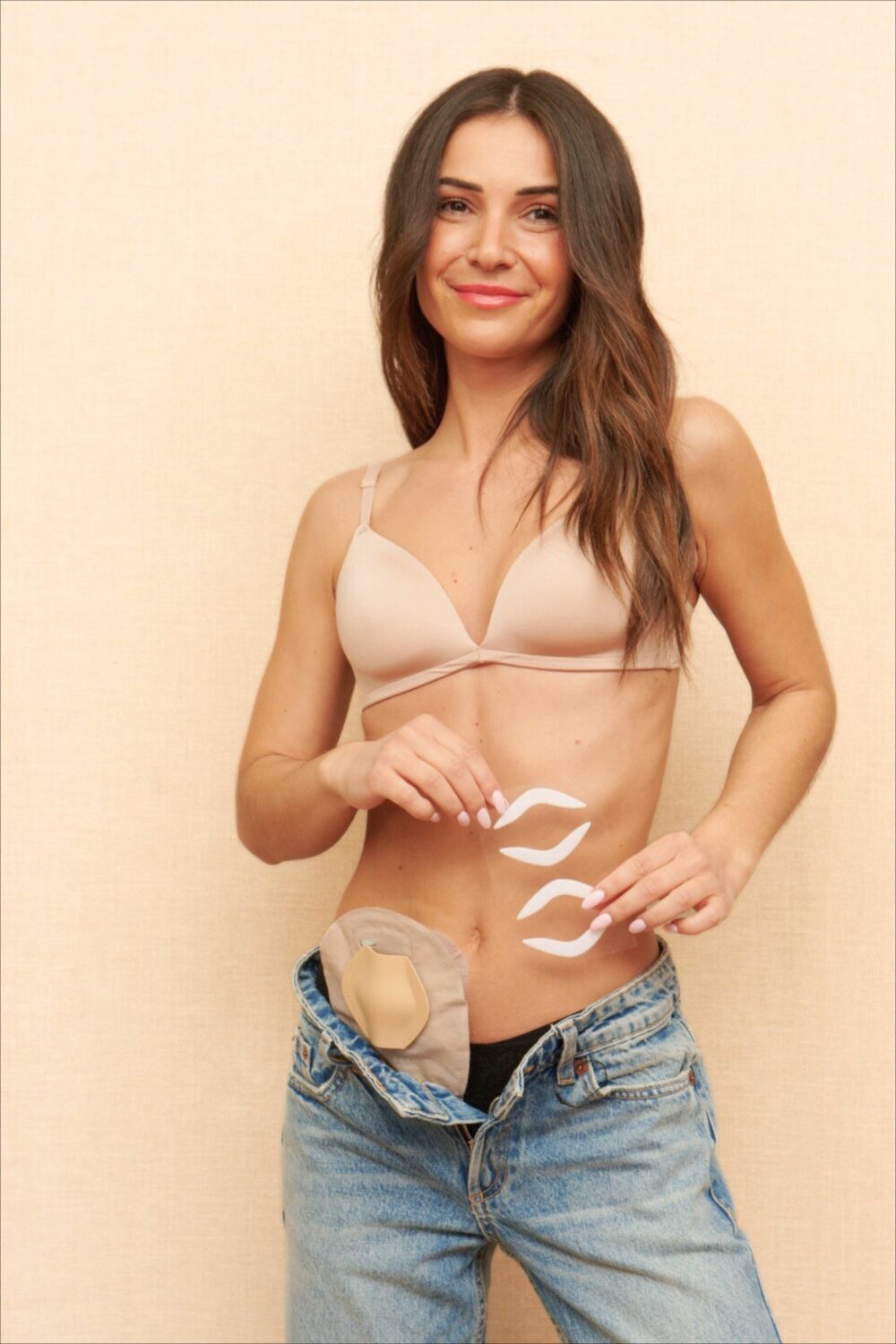

Ostomy Bag Guide: Types, Sizes & How to Choose the Right Pouch
Your ostomy bag is the one piece of equipment you interact with every single day. It’s with you at the gym, at the office, on vacation, during family dinners. Getting it right—understanding your options, learning to use it properly, troubleshooting when things go wrong—changes everything about your ostomy experience.
We’re SIIL: we make belts, covers and underwear that sit around the pouch. We don’t make pouches, so this guide compares systems from any brand. This isn’t a medical guide. This is your equipment mastery guide. Think of it as the Consumer Reports of ostomy pouches: honest comparisons, practical how-tos, and everything you need to become an expert on your own system.

What Is an Ostomy Bag & How Does It Work?
 Ostomy BeltHernia support & leak prevention. Trusted by 50,000+ ostomates worldwide.Discover →
An ostomy pouch (or bag) is a medical device worn over your stoma—the surgically created opening in your abdomen. It collects output from your intestines or urinary system so you can live without a functioning colon, small bowel, or bladder.
Understanding the basic anatomy of your pouch system helps you troubleshoot problems, choose the right product, and use it confidently. Here’s what you’re working with:
Adhesive Barrier (Wafer)
This is the sticky part that adheres directly to your skin around the stoma. It’s made of hydrocolloid or similar moisture-resistant material. Quality adhesive determines how long your pouch stays secure and how easily it removes without skin damage.
Collection Pouch
The reservoir that holds output. Pouches are made from odor-blocking fabric and come in different styles: drainable (with a closure system at the bottom), closed-end (thrown away when full), or specialty designs for specific needs.
Coupling Mechanism
On two-piece systems, this is what connects the wafer to the pouch. Different brands use different coupling systems, so you typically stick with one brand for compatibility—you can’t mix Coloplast wafers with Hollister pouches.
Closure System
For drainable bags, this is the closure at the bottom (clip, fold, or integrated valve). For urostomy bags, it’s a tap valve. Quality closures prevent leaks and are easy to operate with one hand.
That’s it. Four components. Most of your daily routine revolves around managing these four things well.
The 4 Types of Ostomy Bags (And Which One You Need)
Not all ostomy bags are created equal. Your choice depends on your output type and volume. Here’s how to think about it:
1. Drainable Bags (Ileostomy & High-Output Colostomy)
If you have an ileostomy or high-output colostomy, you produce frequent, loose output. A drainable bag has a closable opening at the bottom so you can empty it multiple times a day without removing the entire pouch. Most drainable bags stay on for 3–5 days.
Best for: Ileostomy patients, colostomy patients with loose stools, anyone who wants to minimize daily pouch changes.
2. Closed-End Bags (Formed-Output Colostomy)
If your colostomy produces formed or pasty output (typically lower-output colostomy), you might use a closed-end bag that you throw away once it’s full. These are smaller, more discreet, and changed 1–2 times daily. Some people alternate: closed-end during the day, drainable overnight.
Best for: Colostomy patients with regular bowel function, people who prefer discretion over fewer changes.
3. Urostomy Bags (With Tap Valve & Anti-Reflux)
Urostomy pouches collect urine continuously. They feature a tap valve at the bottom (you open it to drain into the toilet) and an anti-reflux valve inside to prevent urine from backing up into the stoma and causing infection. These are always drainable and worn for 5–7 days.
Best for: Urostomy patients. If you have a urostomy, you need a specifically designed urostomy pouch—never use an ileostomy or colostomy bag.
4. Specialty Bags & Caps
Some people use mini pouches or stoma caps for active days, swimming, or intimate moments. Others use convex pouches if their stoma is flush with the skin (a convex shape creates depth for better adhesion). For detailed medical context on your specific ostomy type, see our ileostomy guide, colostomy guide, or urostomy guide.
Best for: Specific situations—active lifestyles, swimming, or if standard pouches aren’t working with your anatomy.
Key Decision Point
Your ostomy type (ileostomy, colostomy, or urostomy) determines which bag category you need. Within that category, brand choice and specific features (adhesive type, material, size) are where personalization happens.
One-Piece vs Two-Piece: The Decision That Matters Most
After choosing your bag type (drainable, closed-end, urostomy), the next big decision is whether to use a one-piece or two-piece system. This is personal—there’s no “right” answer, only what works for your body and lifestyle.
| Feature | One-Piece | Two-Piece |
|---|---|---|
| How It Works | Wafer and pouch are permanently bonded together. Change the entire system every 3–5 days. | Wafer stays on the skin; you snap or click the pouch on and off. Change the wafer less frequently, swap the pouch whenever needed. |
| Number of Changes per Week | 3–7 full changes (meaning 3–7 new wafers) | 1–2 wafer changes, 7–14 pouch changes (wafers = less frequent) |
| Skin Irritation | More adhesive removal cycles = more potential irritation | Fewer adhesive removal cycles = gentler on skin |
| Discretion | Slimmer profile under clothing | Slightly bulkier due to coupling mechanism, but newer two-pieces are very thin |
| Cost | Generally less expensive | Generally more expensive (wafer + multiple pouches) |
| Convenience for Active Days | You’re committed for 3–5 days | Swap out a pouch in seconds without removing the wafer |
| Best For | Sensitive skin if adhesive is very gentle; people who prefer simplicity | Frequent bag changes needed; active lifestyles; extended-wear preference |
Can You Switch Between Them?
Yes. Many people trial both systems in the first weeks after surgery. Some switch between them depending on their activity or schedule (one-piece for travel, two-piece for daily life). Your prescription usually covers both, so ask your ostomy nurse about getting samples.
Pro tip: If you’re leaning toward two-piece but worried about cost, talk to your insurance about coverage. Two-piece systems often make economic sense because you use fewer wafers overall, even though each two-piece system costs more upfront.
How to Measure Your Stoma (Step-by-Step)
Your pouch opening must fit snugly around your stoma—not too tight (which restricts the stoma), not too loose (which causes leaks). Stoma size changes significantly in the first 6–8 weeks after surgery, then stabilizes.
Measuring Your Stoma
- Use a stoma measuring guide. Most ostomy brands provide one in their starter kit. It’s a plastic sheet with concentric circles (in mm or inches).
- Remove your old pouch and gently pat the area dry with soft tissue.
- Place the measuring guide flat against your skin with the stoma opening aligned with the circles.
- Find the smallest circle that completely covers your stoma opening. Write down that measurement.
- Add 3mm (about 1/8 inch) to your measurement. This is your pouch opening size. The extra 3mm allows the stoma to expand slightly without creating a gap.
- Measure every 1–2 weeks for the first 8 weeks, then monthly for the first year. After that, measure if you notice leaking or skin irritation.
Why This Matters
If your pouch opening is too big, stool or urine can seep around it onto your skin (stoma output → skin irritation). If it’s too tight, you’re restricting blood flow to the stoma, which causes swelling and increased output. Correct sizing prevents 80% of pouch problems.
Important timeline: In the first 6–8 weeks post-surgery, your stoma shrinks as post-surgical swelling goes down. You’ll likely go from (for example) 30mm down to 24mm. This is why many people change bag sizes 2–3 times in the first few months. This is normal. Stock multiple sizes and switch as needed.
The Big 3 Brands Compared: Coloplast vs Hollister vs ConvaTec
These three brands dominate the ostomy market globally. Each has strengths and loyal users. Here’s how they compare on the factors that actually matter:
| Dimension | Coloplast | Hollister | ConvaTec |
|---|---|---|---|
| Adhesive Feel | Tacky, moldable, forgiving | Gentle, slower bond, skin-friendly | Strong initial stick, very secure |
| Adhesive Duration | 3–5 days (very reliable) | 4–7 days (excellent longevity) | 3–5 days (consistent) |
| Best For Sensitive Skin | Good; adhesive remover gentle | Excellent; specifically designed for sensitive skin | Moderate; stronger adhesive = more irritation risk |
| Odor Control | Excellent (charcoal filters) | Very good | Very good |
| Two-Piece Couplings | ModuleFlex (very easy, one-handed) | Flextend (solid, reliable) | SureFit (strong connection) |
| Flagship Product | SenSura (drainable & closed-end) | Hollister Conform (two-piece) | Esteem+ (one-piece) |
| Availability | Global; strong in Europe | Global; strong in North America | Global; strong in North America & UK |
| Typical Cost | Mid-range | Mid to premium | Mid-range |
| Unique Feature | Excellent custom pouch sizes (13mm–70mm) | Best customer support programs | Strong convex options for difficult anatomy |
The Real Talk
All three brands make quality products that work. The “best” brand is the one that works with YOUR skin and YOUR body. Some people swear by Coloplast for its moldable adhesive. Others can’t live without Hollister because their skin is sensitive. A few prefer ConvaTec because the pouch sits closer to the body.
Important: SIIL makes accessories for all major brands. Our ostomy belts, underwear, and bag covers work universally—no brand lock-in.
In the first few months post-surgery, your ostomy nurse or supplier will help you trial different brands. Don’t commit to one forever. Your needs may change, and it’s perfectly fine to switch.
Essential Ostomy Accessories (The Gear Nobody Tells You About)
Your ostomy bag is the star, but the supporting cast of accessories makes the difference between a frustrating experience and a smooth one. Here’s what actually works:
Barrier Rings & Seals
These soft, moldable rings sit between your wafer and stoma, creating an extra seal against leaks. Most useful if your stoma is retracted, flush with skin, or surrounded by creases. Brands include Brava (ConvaTec), Eakin (Hollister), and Flexiringk (Coloplast).
When you need them: First sign of recurring leaks around the edges, or if your stoma anatomy makes standard waifers sit unevenly.
Stoma Paste
A caulk-like material you apply around your stoma opening to fill gaps and prevent leaks. Fills uneven skin, creases, and indentations. Brands: Stomahesive (ConvaTec), Surefit Paste (Hollister).
When you need it: Irregular stoma anatomy, deep skin creases, or persistent edge leakage.
Adhesive Remover Spray
Dissolves adhesive so you can gently lift your pouch without traumatizing your skin. Brands like Brava Adhesive Remover are gentler than pulling wafers off manually.
Pro tip: This is not optional if you have sensitive skin. Using an adhesive remover spray takes an extra 30 seconds but prevents skin damage that costs you weeks of healing.
Skin Prep Wipes
These create a protective barrier between your skin and the wafer adhesive, reducing irritation from the adhesive chemicals. Useful especially if you’re changing bags frequently (two-piece system).
When you need them: If you notice redness, itching, or burning where the wafer sits.
Pouch Deodorant Drops
Drop a tablet or liquid into your pouch to neutralize odor. Brands like Ostex or M9 are enzymatic and very effective. Essential if you’re emptying your drainable bag in public.
Honest truth: High-quality ostomy bags already block most odor. These drops are for peace of mind and social confidence more than necessity.
Ostomy Belt
A elasticated belt worn around your waist that holds the pouch in place and distributes pressure evenly. Reduces anxiety about leaks, improves discretion, and is especially useful during active days. SIIL’s ostomy belt is adjustable and works with any pouch brand.
When you need it: During sports, active work, or any time you need extra security and confidence.

Stoma Powder
Absorbs moisture and weeping from the stoma site, helping your wafer adhere better. Use sparingly—too much interferes with adhesion. Brands: Brava Powder.
When you need it: If you have persistent moisture or oozing around the stoma that prevents adhesion.
Barrier Film
A clear protective coating you apply to the area around your stoma (not under the wafer, but nearby) to prevent irritation and protect delicate healing skin.
When you need it: Early post-operative phase or if you develop sensitivity.
Starter Accessories Kit
If you’re new to ostomy, your ostomy nurse should provide: barrier rings, adhesive remover spray, skin prep wipes, and a pouch deodorant. A belt is optional but recommended. That’s your foundation. Everything else is optional add-ons.
How to Change Your Ostomy Bag: The Complete Routine
Changing your pouch becomes routine, but doing it right prevents leaks, skin damage, and stress. Here’s the process broken down:
Step 1: Prepare Your Environment
Find a clean, private space with good lighting (bathroom counter is ideal). Gather all supplies: new wafer/pouch, adhesive remover, skin prep wipes, barrier rings (if needed), stoma paste (if needed), any ointments, dry wipes, paper towels. Having everything within arm’s reach makes the process smooth and less stressful.
Step 2: Empty & Remove Old Pouch
If you’re wearing a drainable bag, empty it into the toilet first. Then use adhesive remover spray around the edges of your wafer. Let it sit for 30 seconds—this dissolves the adhesive so you can lift the wafer gently without damaging skin. Slowly peel upward, supporting the skin around your stoma as you lift.
Step 3: Clean & Dry Your Skin
Gently wash the skin around your stoma with warm water and mild soap (or just water). Pat completely dry with soft tissue—any moisture interferes with the new wafer’s adhesion. This is not the time to rush. Dry skin = long pouch wear.
Step 4: Assess & Prepare
Look at your stoma. Is it the expected size? Are there creases or indentations? This is when you decide whether you need barrier rings or paste. If your stoma is surrounded by deep creases, apply a thin bead of paste now and smooth it with a wet finger. If needed, apply barrier rings.
Step 5: Measure the Opening
Use your stoma measuring guide to confirm the pouch opening size you need (you measured once and determined your size, but always double-check). Most people don’t need to re-measure every change, but do it monthly to catch any changes.
Step 6: Cut or Select Your Pouch
If using a pouch that requires cutting, use the template provided and cut carefully with clean scissors. Your opening should be 3mm larger than your stoma. For pre-cut pouches, select the correct size. Check that the pouch opening is perfectly round and smooth (no rough edges).
Step 7: Apply the New Wafer
If you’re concerned about skin sensitivity, apply a skin prep wipe first (let it dry). Peel off the backing from your wafer. Start at the top and press downward, smoothing as you go to remove air bubbles. Use the heel of your hand to apply gentle, even pressure for 30–60 seconds. This activates the adhesive.
Step 8: Attach the Pouch (Two-Piece Only)
For two-piece systems, snap or click the new pouch onto the wafer. Ensure the seal is firm and secure. You should hear or feel a click. For one-piece systems, you’re done.
Step 9: Check for Comfort & Security
Gently press around the wafer edges to ensure it’s sealed. Check that the pouch opening sits centered over your stoma. Put on your clothes and move around for a moment. Everything should feel secure. No tugging, no pressure points.
Step 10: Dispose of Old Pouch Properly
Roll up your old pouch and dispose in a standard trash bin (not down the toilet, regardless of packaging claims). Many people wrap it in newspaper or an empty deodorant can box to contain odor.
Pro Tips for Faster Changes
- Batch your supplies: Keep all pouch changes supplies in a labeled container. Grab and go.
- Cutting templates: If you cut your pouches, keep a laminated template on the counter. Cuts down decision-making time.
- Wet hands: Your hands are less sticky if you rinse them between steps. Grab a damp washcloth for the process.
- Change timing: Many people find morning changes easiest when output is minimal. Night changes take less than 5 minutes once you’re experienced.
Time to Mastery
Your first few changes might take 15–20 minutes. After 10–15 changes, most people develop a routine and take 5–10 minutes. After a few months, it’s automatic. Don’t judge yourself by early speed; it’s about getting it right.
Troubleshooting: Solving the 5 Most Common Pouch Problems
Even experienced ostomates face issues occasionally. Here are the most common problems and real solutions:
Problem 1: Leaks Around the Edges
Causes: Incorrect pouch opening size (too large), irregular stoma anatomy, creases or indentations around the stoma, inadequate drying before wafer application, wafer worn too long (adhesive fails).
Solutions:
- Re-measure your stoma. Size should be stoma + 3mm only.
- Use barrier rings or stoma paste to fill gaps and creases.
- Ensure skin is completely dry before applying new wafer (60+ seconds drying time).
- Change your wafer more frequently (every 3 days instead of 5 if adhesive is failing).
- Switch to a different brand’s adhesive (some are gentler, some stronger).
Problem 2: Skin Irritation Around the Stoma
Causes: Adhesive chemicals irritating skin, allergic reaction to adhesive, too-frequent changes (removals damage skin), wafer opened prematurely.
Solutions:
- Use an adhesive remover spray to minimize skin trauma during removal.
- Apply skin prep wipes before wafer application to create a protective barrier.
- Try a different brand’s adhesive (Hollister is gentlest for sensitive skin).
- Extend your pouch wear time (fewer removals = less irritation).
- Switch to two-piece if using one-piece (reduces removal frequency).
- Between changes, use a gentle moisturizer on irritated skin.
Problem 3: Pancaking
What it is: The pouch collapses flat against your body with no space between the wafer and pouch wall. Looks and feels awkward.
Causes: Incorrect pouch opening (too small), limited output volume, stoma tape covering the opening.
Solutions:
- Re-measure and ensure your pouch opening is at least 3mm larger than your stoma opening.
- Many pouches come with filter vents that allow gas to escape; ensure yours aren’t blocked.
- Some ostomates keep a small amount of output in the pouch at all times (prevents vacuuming).
- Try a pouch with a different shape or material that stands away from the body naturally.
Problem 4: Ballooning
What it is: Your pouch fills with gas and balloons outward, becoming visible and uncomfortable.
Causes: Gas production from diet (see our diet guide), pouches without proper venting, sealed pouches during sleep.
Solutions:
- Ensure your pouch has charcoal filters (odor-venting holes).
- Keep your pouch venting filters clear (lint and debris can clog them).
- At night, use a nighttime drainage pouch that allows gas to escape.
- Gently massage your pouch or burp the pouch opening to release trapped gas.
- Adjust your diet: reduce gas-producing foods (beans, carbonated drinks, certain vegetables).
Problem 5: Odor Issues
Causes: Blocked pouch filters, pouch worn too long (bacteria build-up), inadequate odor control, diet.
Solutions:
- Change your pouch on schedule (don’t wear it beyond recommended wear time).
- Use pouch deodorant drops when emptying drainable bags.
- Ensure filter vents aren’t clogged with lint; keep pouch away from lint-producing fabrics.
- Keep your skin clean around the stoma—bacteria on skin increases odor.
- Reduce high-odor foods (eggs, fish, garlic). See our diet guide for specifics.
- Some pouches have better odor control than others; try a different brand if this persists.
For more detailed troubleshooting guidance, see our complete troubleshooting guide.
Ostomy Bags for Active Life: Sports, Swimming & Travel
Having an ostomy doesn’t mean sitting on the sidelines. Millions of ostomates work out, swim, travel, and live fully active lives. Your pouch system can handle it—you just need the right approach.
Sports & Exercise
The concern: Will my pouch leak during activity? Will it be visible? Will it interfere with my workout?
The reality: Modern pouches are designed for activity. Your biggest tools are an ostomy belt and proper pouch securement.
- Wear an ostomy belt. SIIL’s ostomy belt distributes pressure evenly, prevents the pouch from swinging, and gives you confidence that your system is secure.
- Choose your timing. Many active ostomates change their pouch before a workout so it’s fresh and they have a full wear window.
- High-output ostomates should time bathroom breaks. Empty your drainable pouch before and after workouts.
- Wear appropriate clothing. Loose workout gear (not tight cycling shorts) allows the pouch to sit naturally. See our clothing guide for specific styles.

Swimming
The concern: Will my pouch leak in water? Will it be visible?
The reality: You absolutely can swim. You have options:
- Swim with your pouch on. Quality ostomy pouches are waterproof. The adhesive won’t fail from pool or ocean water (fresh water is safe; salt water and chlorine require rinsing quickly after). Many ostomates swim normally with their pouch.
- Use a mini pouch or stoma cap. For light swimming or beach days, some ostomates switch to a mini pouch or stoma cap (a small cover over the stoma). These are waterproof and very discreet.
- Wear appropriate swimwear. SIIL’s ostomy swimwear is designed with secure pouch placement. Darker colors and patterns hide the pouch outline.
Key tip: Rinse your pouch and skin thoroughly after swimming to remove chlorine or salt water. These can compromise adhesive over time.
Travel
The challenge: Traveling with ostomy supplies can feel overwhelming (especially to new destinations where your usual brand might not be available).
Travel supply checklist:
- Pouches: Bring 1.5x what you’ll need. If you’re gone for 5 days and change every 3 days, bring 4 pouches.
- Adhesive remover spray: Essential. Much harder to find abroad.
- Skin prep wipes & barrier rings: Bring your standard brands.
- Pouch deodorant: Small bottles or tablets; great for public bathrooms.
- Disposal bags: Bring some (some hotels/hostels are better equipped than others).
- Comfort items: Any creams or ointments you use.
Airport security: Your ostomy supplies are exempt from most liquid restrictions. You can bring adhesive remover, skin prep wipes, and similar items in amounts beyond the standard 3.4 oz / 100 ml. Tell TSA agents (US) or security staff that you have a medical device. Most airports understand; no special documentation required (though you can ask your ostomy supplier for a letter if you’re anxious).
Packing strategy: Put pouch supplies in a small bag (a Ziploc or cosmetic pouch works) in your carry-on. Keep one pouch and all removal/application supplies with you—if checked luggage is delayed, you still have everything you need for a change.
Insurance, Prescriptions & Getting Supplies
Ostomy supplies are typically covered as durable medical equipment or prescribed medical supplies. How you access them varies by country and insurance type.
United States
Medicare: Covers ostomy supplies after a colon cancer, Crohn’s disease, or other qualifying diagnosis. You get a set monthly allowance (typically enough for a reasonable supply). You work with a Medicare-approved medical supply company.
Private insurance: Most plans cover ostomy supplies if prescribed by your doctor. Check your plan details and preferred suppliers. Copays vary ($0–$50 per month depending on your plan).
Prescription requirement: You’ll need a prescription from your surgeon or gastroenterologist. The prescription specifies: number of pouches/wafers per month, type (drainable, closed, one-piece, two-piece), and size. Your insurance company and supplier use this to approve coverage.
Getting a prescription: Contact your surgeon’s office and ask for an ostomy supply prescription. Be specific about what you need (not just “ostomy supplies”—say “Coloplast SenSura Drainable, one-piece, size 25mm, 30 per month”). This prevents substitutions you don’t want.
United Kingdom
NHS coverage: Ostomy supplies are free on the NHS. You receive a prescription from your stoma nurse or GP, and you order through NHS-contracted suppliers. You can receive supplies by mail or pick up at certain pharmacies.
Private option: You can also purchase privately through online suppliers, though NHS is typically simpler and free.
Other Countries
Coverage varies widely. Canada, Australia, and New Zealand offer government support for ostomy supplies. Many European countries have subsidized programs. Check with your local health authority or stoma association for specifics.
Ordering Supplies
Once you have a prescription and insurance approval, you’ll order through a medical supply company. Major suppliers include Byram Healthcare, Liberator, Apria, and others. They handle insurance processing and mail supplies directly to you.
Tips:
- Compare suppliers. Coverage and service vary.
- Order ahead. Don’t wait until you’re running low.
- Ask about trial samples of different brands before committing.
- Keep records of your prescription and insurance approval for future orders.
SIIL Ostomy Accessories: Complete Your System
Your ostomy pouch is the foundation, but SIIL accessories transform how you experience daily life. We design products for the real concerns of active ostomates:
SIIL Ostomy Belt
Distributes pressure evenly across your pouch, prevents swinging during movement, and gives you confidence that your system is secure. Works with any pouch brand. Essential for sports, active work, or anyone who wants peace of mind.
SIIL Ostomy Underwear
Premium underwear with built-in pouch pocket. Discreet fit under any clothing, moisture-wicking, comfortable for all-day wear. Changes how your pouch feels under clothes.
SIIL Ostomy Swimwear
Secure pouch placement, flattering fit, chlorine-resistant fabric. Designed so you can swim confidently without visible outlines or worrying about pouch placement.
SIIL Ostomy Bag Covers
Fabric covers that disguise the outline of your pouch under clothes. Adds a layer of discretion for office, social events, or active days.
SIIL Hernia Support Belt
For ostomates concerned about hernias. Provides support around your ostomy area and abdomen, distributing pressure and reducing strain.
SIIL Ostomy Clothing Guide
Expert styling advice on dressing confidently with an ostomy. Includes recommendations for work, exercise, casual, and special occasions.
Frequently Asked Questions
A: Most pouches are worn for 3–7 days depending on the type. One-piece bags: 3–5 days. Two-piece systems: the wafer stays 5–7 days; you change the pouch as needed. Urostomy bags: 5–7 days. Don’t wait for leaks—change on schedule to prevent skin damage.
A: You don’t have to switch brands, but you might want to. Your needs change over time. Some people find one brand works perfectly; others discover that a different brand’s adhesive feels better after a few months. Trial different brands in your first year if you’re having any issues. No commitment to any brand is forever.
A: A drainable pouch has a closable opening at the bottom so you can empty it multiple times per day without removing the entire pouch. A closed-end pouch has no opening—you throw it away when full. Drainable pouches are for ileostomy and high-output colostomy. Closed-end pouches are for lower-output colostomy.
A: Yes. In the first 6–8 weeks after surgery, your stoma shrinks significantly as post-operative swelling decreases. You’ll likely go from one size down to a smaller size. This is why you measure every 1–2 weeks early on. After 8 weeks, stoma size stabilizes and rarely changes.
A: Yes. Quality ostomy pouches are waterproof. You can swim, shower, and snorkel with your pouch on. Just rinse it afterward if you’re in salt water or chlorinated pools. Alternatively, some ostomates use a stoma cap or mini pouch for swimming. See our section on active life for full details.
A: First, figure out why. Is the pouch opening too large (stool escaping around edges)? Has the adhesive failed (time to change)? Is there a crease or gap? In the immediate moment, empty the pouch, clean and dry your skin thoroughly, and apply a new wafer/pouch. Then troubleshoot to prevent it from happening again. See our troubleshooting section for detailed solutions.
A: In most countries, yes. In the US, Medicare and most private insurance plans cover ostomy supplies with a valid prescription. In the UK, the NHS covers supplies. Check your specific plan for copays and coverage limits. See our section on insurance for full details by country.
A: Yes, you can switch between them. Some ostomates use both depending on their schedule or activity. The main adjustment is that one-piece requires more frequent full changes (vs. two-piece where you only change the pouch), so it takes getting used to. Trial both to see which fits your lifestyle best.
A: Gas buildup is normal. Your pouches should have charcoal filters that vent gas while blocking odor. If your pouch balloons, ensure the filters aren’t clogged with lint. You can also manually “burp” the pouch by gently opening the closure and releasing trapped gas. Reduce gas-producing foods (beans, carbonated drinks) if ballooning is constant. See our troubleshooting section for more tips.
A: Wrap the used pouch in newspaper, toilet paper, or place it in a small box to contain odor, then dispose in a standard trash bin. Do not flush ostomy pouches down the toilet (they will clog plumbing). Most airports and public restrooms have disposal options. At home, regular trash is fine.
More Resources: New to ostomy? Start with our New Patient Guide. For specific ostomy type medical context, see our ileostomy, colostomy, and urostomy guides. Facing specific issues? Check our troubleshooting guide or diet guide.
More from the SIIL journal

Living with an Ostomy
How to clean a stoma and the skin around it, how to clean a drainable ostomy or colostomy bag, whether to rinse the pouch and what…

Living with an Ostomy
A prolapsed stoma explained: what it looks like, why it happens, what helps at home, emergency signs, pouching and clothing tips, …

Living with an Ostomy
Is stoma bleeding normal? Why stomas bleed, how to stop it, blood in the pouch vs bleeding around the edge, and when to call your …

Welcome offer
Stories, tips and exclusive drops — once a month, never spam. Your code lands in your inbox the moment you subscribe.
By subscribing you accept our privacy policy. Unsubscribe in one click, anytime.
$52.99
$52.99
$92.99
$39.99
$72.99
$41.99
$52.99
$19.99
$52.99
$39.99
$72.99
$52.99