

 ES
ES EN
EN GB
GB DE
DE FR
FRNo products in the cart.
When Someone You Love Gets an Ostomy
Quick answer: Show up as yourself, not as a stand-in nurse. Learn the practical stuff — emptying, clothing, odor, rest — so they are not teaching you everything from scratch. The first weeks are an adjustment for both of you, not a tragedy. Your job is to keep life feeling like life: meals, humor, a ride, a quiet “I’ve got this part.”
You’re here because someone you love just got a stoma, or they’re about to. Partner, parent, sibling, best friend — the title matters less than the fact that your stomach dropped when you heard the word ostomy. The internet will hand you clinical PDFs on one tab and horror stories on the next. This is the other version. The honest one. The one from people who actually wear a pouch and from the people who love them.
The honest version of the first weeks
 Ostomy BeltHernia support & leak prevention. Trusted by 50,000+ ostomates worldwide.Discover →
Someone you love now wears an ostomy bag — a pouch on the belly that does a job the body used to do another way. Sometimes it was planned. Sometimes it wasn’t. Sometimes it’s temporary. Sometimes it’s the long-term setup. You do not need the full file to be useful, and you do not need a lecture on what an ostomy is before you can make dinner.
What actually changes is smaller and more human than the word sounds in a waiting room. There is a new morning rhythm. There is a supply stash that used to be a junk drawer. There may be a clumsy pouch change, a shirt that suddenly feels too tight at the waist, and a stretch of time when they are more tired than they look. That is not defeat. That is a learning curve.
Small wins count. A pouch that stays put through a walk around the block. High-waisted underwear that makes the bag disappear under a T-shirt. Sleeping through most of the night. Laughing at something dumb on the couch. Quiet confidence is built out of those, not out of speeches about being “so strong.”
For families
The new-ostomy playbook we wish every family got on day one
Pouches, clothes, the first stretch at home — written like a friend talking, not a pamphlet. Read it yourself, or sit down with it together.
How to help someone with a new ostomy without taking over
Caring for someone with a colostomy bag — or any ostomy pouch — is mostly logistics plus emotional temperature. The people who get this right do less performing and more useful. They do not narrate every empty. They do not treat the bathroom like a crime scene. They also do not disappear because they “don’t want to get it wrong.”
What usually helps:
- Keep a small kit in the car and by the door: extra pouch, wipes, a plastic bag, a spare pair of underwear. Ask them what belongs in it. Then actually pack it.
- Offer specific help. “I’ll do the 6 p.m. dishes so you can change in peace” lands better than “let me know if you need anything.”
- Learn the emptying rhythm without policing it. If they go to the bathroom before you leave the house, wait. That’s not delay. That’s the plan.
- Protect their privacy. No pouch talk at the table unless they start it. Keep making ordinary plans — a short walk, takeout, the same show. Normal is the gift.
What usually doesn’t:
- Hovering in the doorway during a pouch change unless they asked you to be there.
- Googling their situation out loud, or comparing them to a story you read.
- Food lectures. They will learn their own list. Your job is not the menu cop.
- “At least…” sentences. They know. It still took something. And don’t make the ostomy the only thing you ask about.
If they want hands-on help with a change, they will say so — or you can ask once, privately: “Do you want company, extra hands, or the room?” Then honor the answer. Technique belongs to them. You belong to everything around it. If you’re trying to learn the household rhythm, how often to change and empty a pouch is useful context — not a script to enforce.
Clothes, confidence, and the stuff nobody mentions
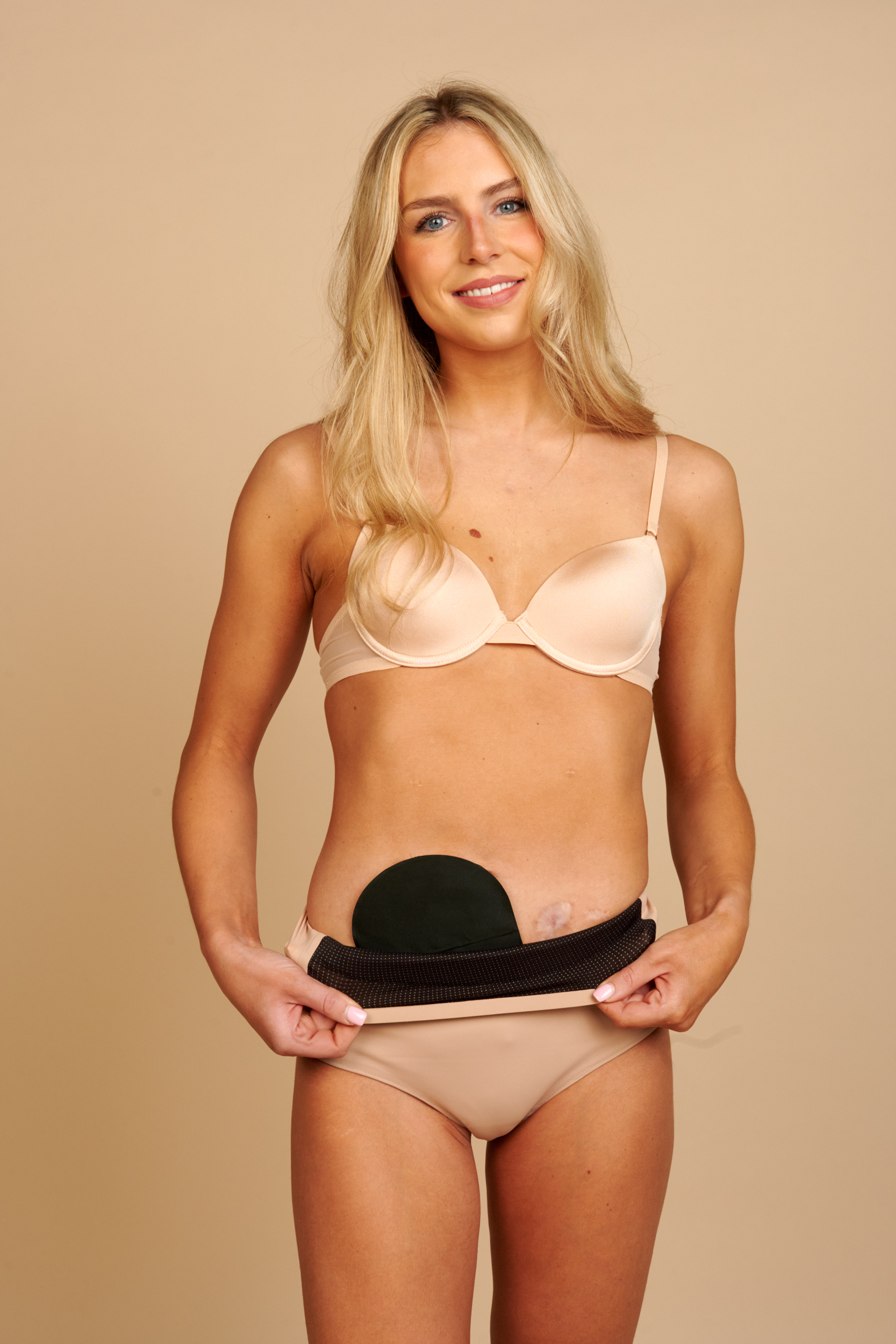
A lot of the panic in week one is not the stoma. It’s the waistband. Regular briefs sit right on the pouch. Low-rise jeans press the bag. A tight belt turns a calm afternoon into a fidget. The fix is almost boring, and it works: high-waisted underwear that holds the pouch against the body so it doesn’t fold, print, or swing. That is not a medical look. That is the same logic as shapewear, just built around a bag.
If you want to be useful in a closet, start there. Soft, high-rise pairs. Shirts that don’t cling at the lower belly unless they want them to. A wrap or belt if they like the pouch locked-in under clothes. A bag cover if beige plastic is getting on their nerves — plenty of people just want it to look like clothing, not equipment. None of this is about hiding in shame. It’s about getting dressed and leaving the house without negotiating with a waistband.
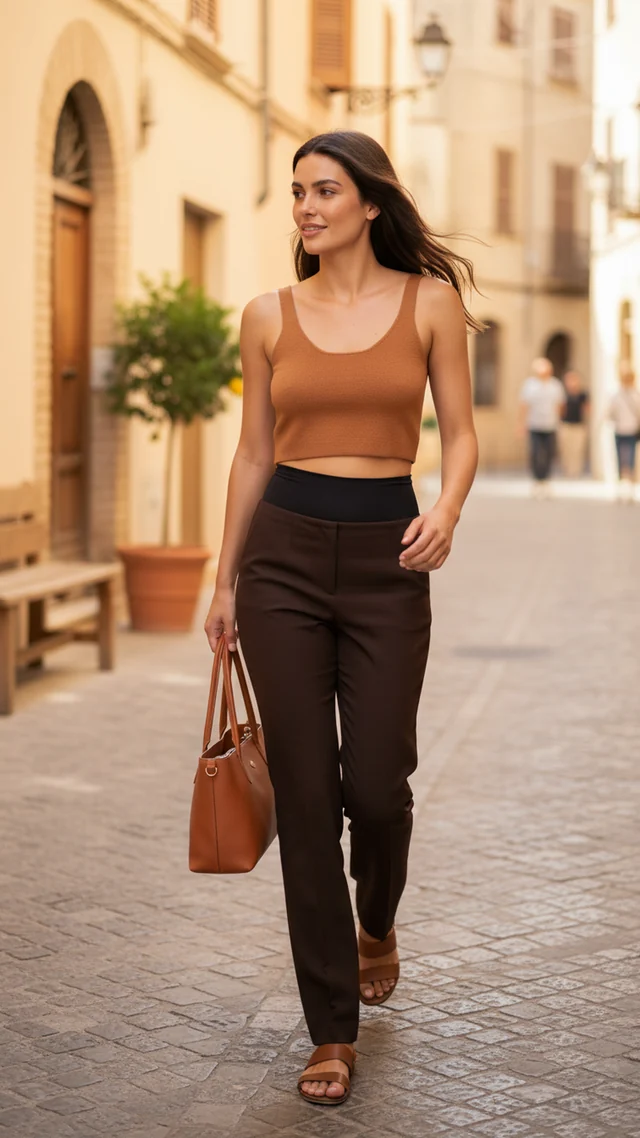
When they’re ready for a pool day, ostomy swimwear exists that looks like swimwear. Same rule: higher rise, secure feel, no one else’s business. Until then, a long tee and the right underwear is a complete outfit. If they want the pouch to sit quietly under real clothes, start with high-waisted ostomy clothing designed like fashion, because that’s what they actually put on in the morning.
Dating someone with an ostomy bag — and staying close if you’re already a couple
If you’re already together, the ostomy did not replace the relationship. It added a pouch and a few new logistics. Intimacy is still intimacy. Empty first if that makes them more relaxed. A soft cover over the bag is enough for a lot of people. Follow what they ask for, not what a forum said. The stoma is not a third person in the room unless you keep pointing at it.
If you are dating someone with an ostomy bag and it’s newer to you than it is to them, curiosity without interrogation is the whole skill. They do not owe you the story on date one. “Does anything make going out easier for you?” is a better question than “Can I see it?” Believe them when they say they’re fine to split a pizza, and also believe them when they want a booth near the restroom. Humor helps when it’s theirs. If they make the joke, you can laugh. If they don’t, you don’t get there first. Attraction does not expire because of a pouch. Your face in the first conversations will teach them whether this is safe. Keep it human.
Let’s talk about odor, because someone has to
This is the conversation partners actually have, usually too late, usually with a knot in the stomach. Two different things get mixed together, and mixing them makes everyone feel worse.
A well-sealed pouch should not be broadcasting across a room. If it is, that’s often a leak, a worn wafer, or a filter that’s had a bath it didn’t want. A couple of deodorant drops in the pouch is a small, ordinary fix, the same way you’d use a bathroom spray without writing a speech about it. Some foods change the situation. They already know, or they will.
Then there’s the other smell: metallic, burnt plastic, a little chemical. That’s often the bag reacting, or a filter getting wet — pouch materials, not a hygiene failing. If you live with them, naming it kindly in private beats a wrinkled nose at dinner. Try: “I think the pouch filter might be damp — want me to grab a spare?” Not a face. Not in front of relatives. More on the practical side lives in our guide to ostomy odor, written for real houses, not lab conditions.
Ileostomy vs. colostomy: what family actually needs to know
You do not need a seminar. You need to know why emptying might look different, so you don’t invent a problem that isn’t one. Clothing, covers, and how you show up stay the same. The pouch system they already use is their call. The comparison below is the lived-in version. For a fuller side-by-side, see ileostomy vs colostomy.
| What you’ll notice | Ileostomy | Colostomy |
|---|---|---|
| Emptying when you’re out | More often; output usually more liquid. Build in bathroom stops without announcing them. | Often less frequent; output usually thicker. Still offer a pause before a long car ride. |
| Nights | They may get up to empty. Keep the path to the bathroom ordinary, not a production. | Many people have a quieter night. Follow their rhythm, not a schedule you invented. |
| Supplies in the house | Extra pouches, wipes, deodorant drops, a spare pair of high-waisted underwear. | Same toolkit. Don’t gift a random pouch system that isn’t theirs. |
| Clothes | High waist is the move. Same jeans rule: nothing digging into the pouch. | Same. The bag does not require a different fashion philosophy. |
| Your job | Don’t police food or count empties. Keep plans. Carry the spare kit. | Same job. A colostomy bag is still an ostomy bag — the love is identical. |
Urostomy households will talk about a tap or spout and emptying urine instead of stool. The family skills do not change: privacy, a spare in the bag, clothes that don’t fight the pouch, no running commentary.
Gifts for someone with a new ostomy that they’ll actually use

Skip the “get well soon” balloon and anything that looks like it came off a hospital cart. The gifts that land are the ones that give them their closet and their day back.
- High-waisted ostomy underwear in a size that actually fits. Check a drawer or ask a sibling. This is the gift people wear the next morning.
- A couple of ostomy bag covers so the pouch isn’t just plastic under a shirt. Pretty is allowed. Pretty is the point.
- A small, decent toiletry bag for supplies — not a clear medical pouch unless they asked for one — plus wipes and pouch deodorant they already like.
- An offer with a date on it: “Tuesdays I’m on dinner.” “I’ll drive, you pick the playlist.” Time. A quiet house for a first independent change.
Leave the novelty poop jokes unless that is already your language as a family. Leave any gift that tries to be a different pouch system than the one they already use. Clothes layer on top of that. That’s where you can actually help.
You’re allowed to have a life too
Loving someone through a new ostomy is real work. It is also not your only personality now. Eat. Sleep. Text a friend who is not involved. Keep one thing that is just yours. You showing up hollowed-out does not make their pouch easier to wear. If you need a sentence for the nosy relative in the kitchen: “They’re doing well. We’re not doing a full briefing at the dip bowl.” Then pass the chips. Positive, in this house, does not mean pretending nothing changed. It means the change gets a practical box, and the rest of the relationship gets to keep going.
When they’re ready for clothes that don’t look like equipment.
High-waisted underwear, bag covers, belts, and swimwear — cut like fashion, built around a pouch. A small, solid gift for someone you love, or a quiet upgrade for their own drawer.
Questions families ask after the first conversation
Should I offer to help change their ostomy pouch?
Ask once, in private, and then stop asking. “Do you want extra hands, company, or the room?” is enough. A lot of people want the door closed. If they say yes, follow their steps. If they say no, that is not rejection. That is them keeping one part of their body on their own terms.
Is a colostomy bag the same thing as an ostomy bag?
In everyday talk, yes — people say ostomy bag, colostomy bag, and pouch for the same basic idea: a bag worn on the belly. Colostomy is one type of ostomy. Ileostomy and urostomy are others. From your side, the skills are the same: privacy, a spare kit, clothes that don’t fight the waist, no public play-by-play.
Can we still hug tightly, sleep close, and be physical?
Yes. Mind the pouch the way you’d mind a healing bruise — snug is fine, sharp pressure right on a fresh wafer is not the move. Side-lying, a pillow, emptying first, a soft cover: those are comfort choices, not a new set of rules for the rest of your life. Follow what feels good to them.
What if I notice a smell and they haven’t said anything?
Take it private and keep it practical. A wet filter can smell like burnt plastic or metal; a leak smells like output. Either way, offer a spare pouch or a few minutes in the bathroom, not a verdict. Never with an audience. If this is a pattern, ask how they want you to flag it next time.
Can we still travel, swim, and do the family beach week?
Yes. Pack more supplies than you think, keep a kit in a personal bag (not checked), and plan bathroom access the way you’d plan snacks on a road trip. For water, wait until they’re confident in their seal, then use swimwear that actually holds the pouch. Empty before you get in. After that, it is a beach week — not a medical field trip.
Keep reading
More from the SIIL journal

Ileostomy
High-output ileostomy
What counts as a high-output ileostomy or stoma, the signs of dehydration, the food and drinks hospital teams suggest, and when to…
11 min read

Ileostomy
What is an ileostomy
What is an ileostomy? The small bowel brought out through a stoma: which part of the bowel, why it is done, loop vs end ileostomy,…
10 min read

Colostomy
Colostomy surgery
Colostomy surgery in plain words: why it is done, how to prepare, loop vs end colostomy, keyhole or open surgery, the hospital sta…
12 min read

Welcome offer
Join the SIIL family.
Get 20% off your first order.
Stories, tips and exclusive drops — once a month, never spam. Your code lands in your inbox the moment you subscribe.
By subscribing you accept our privacy policy. Unsubscribe in one click, anytime.
Welcome — check your inbox for the code.
$122.99
$72.99
$41.99
$49.99
$50.00
$52.99
$72.99
$52.99
$49.99
$52.99
$42.99
$92.99